Carbon Capture and Storage (CCS) Testing
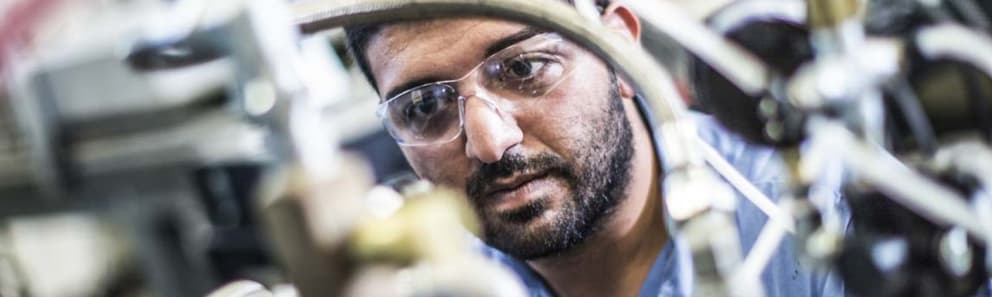
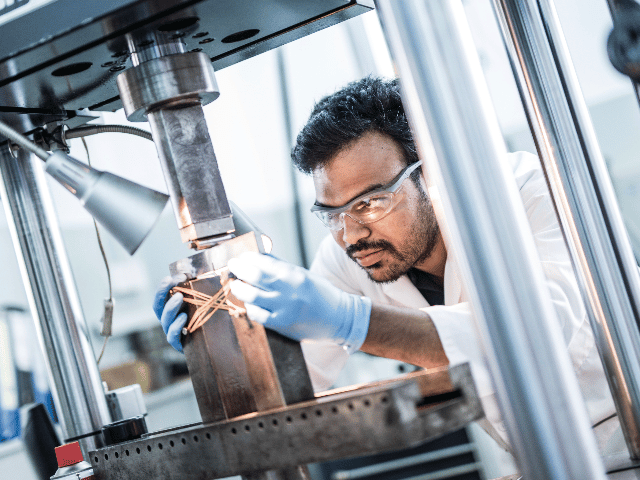
Protect your carbon capture and storage (CCS) infrastructure with Element's 30+ years of specialized testing expertise. We help energy companies prevent costly pipeline failures and material degradation in CO2 transport systems through advanced corrosion and polymeric materials testing. Our unique observation technology lets us monitor materials in real-time under extreme pressures up to 1,000 bar, identifying vulnerabilities before deployment. With comprehensive testing services across global centers of excellence, we ensure your infrastructure stays safe and efficient while reducing long-term maintenance costs.
What is carbon capture and storage testing at Element?
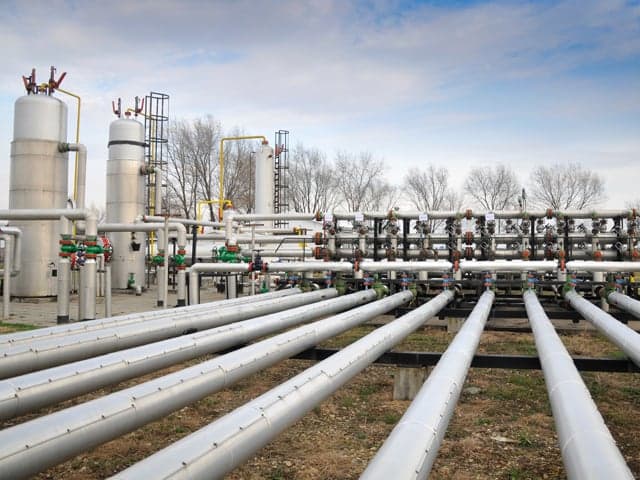
Carbon capture and storage is a vital technology that traps CO2 emissions from power plants and industrial facilities, then safely stores them underground to combat climate change. This process helps companies reduce their environmental impact while meeting emissions targets and regulatory requirements.
Element performs corrosion testing and electrochemical testing on metallic components and polymeric materials used for CCS/CCUS infrastructure. We also support the wider energy industry as it manages the challenges scCO2 presents to non-metallic materials, with novel assessment and inspection techniques specifically designed for scCO2 and polymers, so we can run customized test programs.
What can Element offer you for carbon capture and storage testing?
Key tests offered
Key tests offered
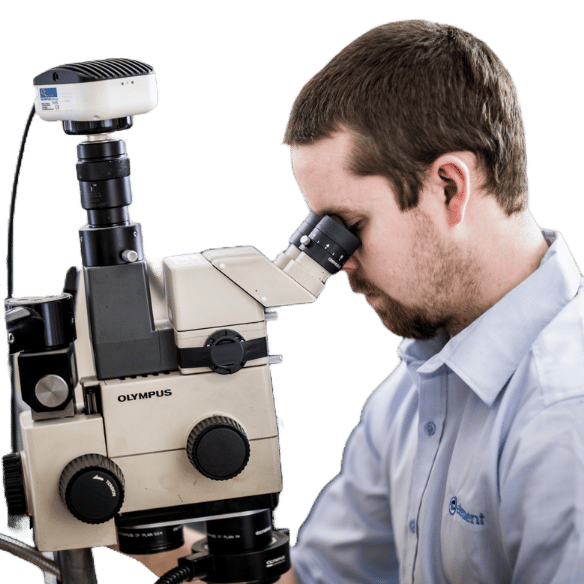
Element provides comprehensive testing for both corrosion and material degradation in CCS environments. Our services include stress corrosion cracking evaluation, sulfide stress cracking testing, and general corrosion assessment for metallic components. For polymeric materials, we test for physical effects of CO2 exposure including swelling (which can lead to local extrusion and tearing), rapid gas decompression damage (which causes blistering and fractures), and chemical resistance under high-pressure conditions.
Specific tests include:
- CO-induced Stress Corrosion Cracking (SCC)
- H2S-induced Sulfide Stress Cracking (SSC)
- General and pitting corrosion testing
- Rapid gas decompression (RGD) damage assessment
- Chemical resistance to gas impurities
- Permeation testing (to evaluate contamination, pollution, and product loss)
- Long-term durability tests (>1 year)
- Multi-cycle RGD/blister resistance tests
Components and materials we test
Components and materials we test
Element tests critical CCS infrastructure components including carbon steel transportation pipelines, corrosion resistant alloy injection tubing, polymeric seals, linings, and valve components. Our expertise covers both metallic and non-metallic materials used in supercritical CO2 environments, from elastomeric O-rings to composite structural parts exposed to pressures up to 1000 bar and temperatures to 200°C.
Additional components include:
- Thermoplastic pipes
- Gaskets
- Compressor components
- Composite structural parts
- Valve bodies
Cutting-edge equipment we use
Cutting-edge equipment we use
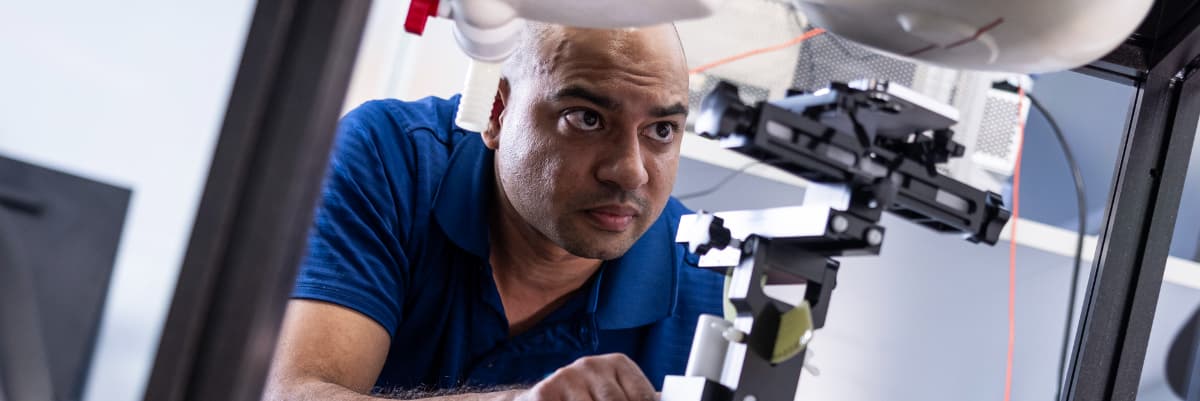
Our Hitchin laboratory has designed a unique visual observation fixture that allows our experts to monitor and measure materials in-situ while under pressurized scCO2 conditions. This includes the effect of pressure/temperature changes assessed in-situ, as well as the effect of RGD.
Which labs offer this service
Which labs offer this service
Our Hitchin laboratory, which is Element’s Global Center of Technical Excellence for Polymers, offers world-leading expertise in testing for carbon capture infrastructure. Our labs can conduct exposure tests up to 1,000 bar and 200°C, with specialized capabilities for long-term durability testing exceeding one year.
Our technical team operates from energy hubs across the world, providing global access to our expert capabilities. Find out where your nearest energy hub is on our Locations Page.
Components and materials we test
Metallic Components
- Carbon steel transportation pipelines
- Corrosion resistant alloy (CRA) injection tubing
- CRA casing materials
- Metal compressor components
Polymeric Materials
- Elastomeric O-rings
- Polymeric seals
- Polymeric linings
- Thermoplastic pipes
- Valve liners
- Gaskets
- Composite structural parts
- Valve bodies
- Thermosets
- Elastomers
- Thermoplastics
- Composites
Your Challenges, Our Solutions
Corrosion Threatens Pipeline Integrity
Material Failure Under CO2 Pressure
High-Stakes Infrastructure Investment
Complex Operating Conditions
Why Choose Element
30+ Years CO2 Testing Experience
Unique Real-Time Testing Technology
Global Centers of Excellence
Advanced Testing Capabilities
1,000 barmaximum pressure capability for exposure testing of materials
200°Chighest temperature testing capability for CCS components
30+years
1year
Frequently asked questions
What makes supercritical CO2 particularly challenging for materials testing?
Above 31°C and 73.8 bar, CO2 becomes supercritical (scCO2), exhibiting both liquid and gas properties. It can permeate like a gas but be absorbed like a liquid, creating "the worst of both worlds" in performance terms. For example, a small seal can absorb up to 100 cm³ of CO2, leading to potential irreversible fracture damage and mechanical issues, and local extrusion due to significant swelling.
Which industries use supercritical CO2 besides carbon capture?
ScCO2 is used as a non-toxic, recyclable, low-energy solvent in food production, pharmaceuticals, and building materials industries.
What are the main sources of CO2 in CCS projects?
The primary sources are coal and gas power plants, chemical plants (particularly fertilizer production), oil refineries, and gas processing facilities.
How does water affect CCS infrastructure?
When water drops out in dense phase CO2, it becomes acidic with a pH of approximately 3 due to carbonic acid formation. Combined with other acidic species from SOx and NOx impurities, this creates corrosive conditions.
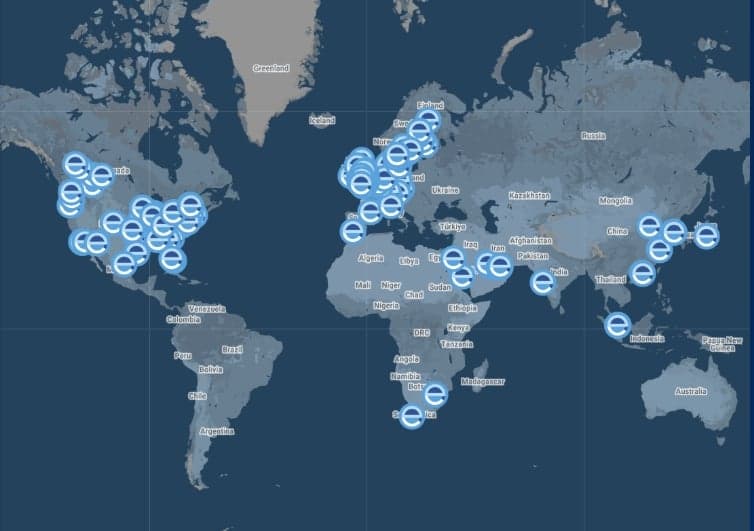
Explore our global network of labs and find your nearest location
VIEW ALL LOCATIONSRelated services
Oil and Gas Corrosion Testing Services
Element's oil and gas corrosion testing identifies material vulnerabilities, supports compliance, and prevents failures through advanced simulation, predictive modeling, and testing in extreme environments.
Rapid Gas Decompression (RGD) Testing
Prevent equipment failures with Element's pioneering RGD Testing, including first-ever H2S testing capability. Validate materials under realistic sour gas conditions for maximum reliability.
Energy Coatings Testing Services
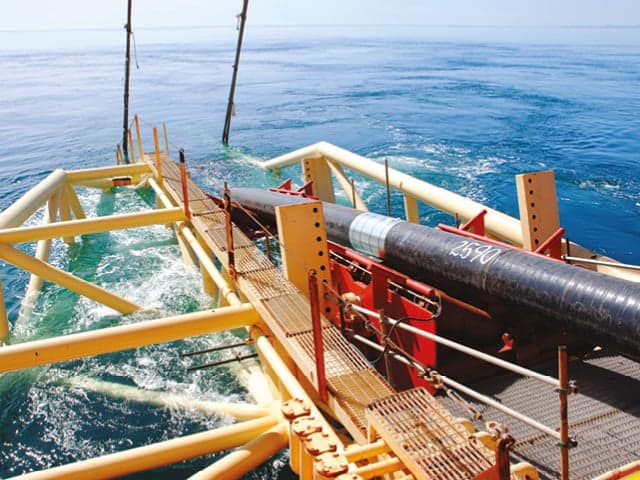
Protect your critical energy assets with Element's specialized coatings testing. We simulate extreme offshore and pipeline conditions to validate performance, prevent costly failures, and ensure compliance. Learn More.
Liquid and Gas Permeation Testing Services
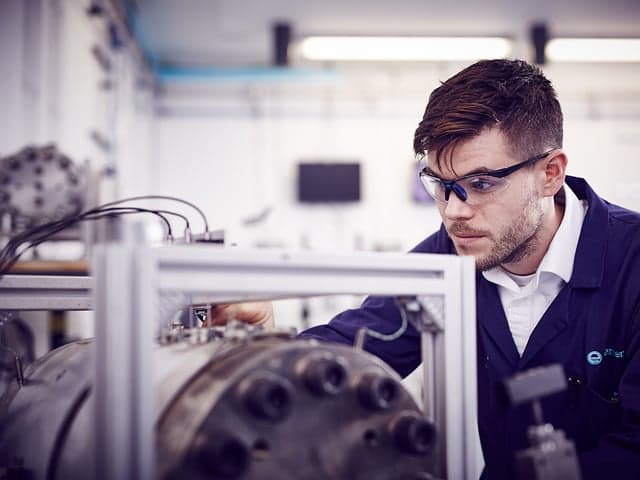
Element's liquid and gas permeation testing services evaluate seals, o-rings, and other polymer component to highly corrosive oil and gas environments.