

Coatings Chemical Resistance Testing
Protect your critical assets from chemical degradation with precise testing that simulates real-world exposure conditions. Our Coatings Chemical Resistance Testing identifies the most suitable solutions for your harsh operating environments, helping extend asset lifespans and prevent costly failures in oil and gas applications.
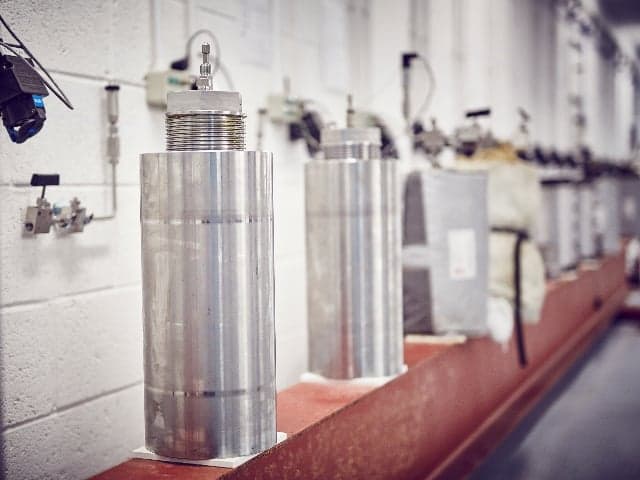
What is Coating Chemical Resistance Testing at Element?
Coatings chemical resistance testing evaluates how protective coatings withstand exposure to specific chemicals under varying environmental conditions. At Element, we specialize in comprehensive immersion testing with industry-relevant chemicals to determine coating performance when subjected to acids, alkalis, hydrocarbons, alcohols, and production fluids in both ambient and extreme temperature/pressure conditions. Our experienced team evaluates resistance to chemical attacks in a variety of service environments.
What Can Element Offer You For Coatings Chemical Resistance Testing?
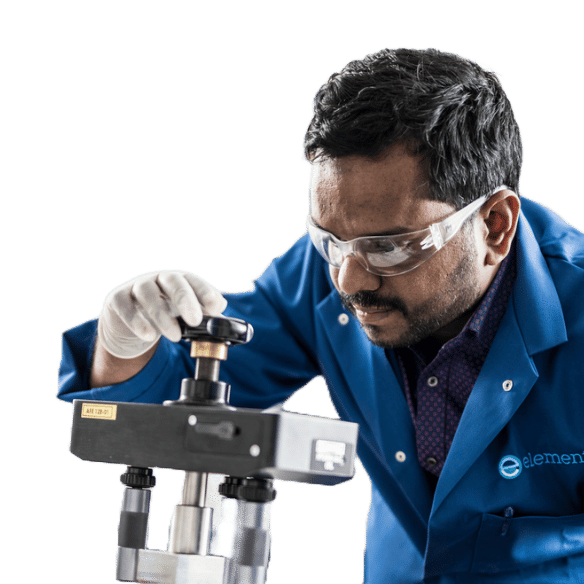
Materials we test
Materials we test
We test protective coatings designed for challenging chemical environments, particularly those used in oil and gas applications. Our testing evaluates coating resistance to acids, alkalis, hydrocarbons, alcohols, production fluids, and area-specific crude oils to determine their suitability for your specific operating conditions. This helps you select materials that withstand your exact chemical exposure scenarios.
- Internal protective coatings and linings
- Coatings for high-temperature applications
- Materials exposed to the "cold wall effect"
- Coatings for pressurized environments
- Fusion Bonded Epoxy (FBE) systems
Key tests offered
Key tests offered
Our comprehensive testing portfolio evaluates coating performance under various chemical exposures and environmental conditions. We provide standard and customized testing solutions to determine how coatings respond to specific chemicals at different temperatures and pressures, simulating real-world service conditions to identify potential failure points before deployment.
- Isothermal immersion testing
- Standard Atlas Cell (SAC) testing
- Pressurized Atlas Cell testing
- Autoclave testing
- Chemical immersion testing
Specialized oil and gas testing capabilities
Our testing services are specifically designed for oil and gas industry requirements, where coating failure can lead to significant operational issues. We help you evaluate coating performance when exposed to production fluids and gases (sweet or sour) at elevated temperatures and pressures, allowing you to assess suitability for specific project needs and determine long-term chemical resistance.
- Cold wall effect evaluation
- Temperature differential resistance testing
- High-pressure exposure simulation
- Failure analysis services
- Qualification of new coatings for specific projects
Methods and solutions offered
Methods and solutions offered
Element specializes in multiple testing approaches to evaluate coating performance in chemically aggressive environments. Our methods include partial or full immersion in service-relevant chemicals with detailed examination for film failures, alterations, discoloration, gloss changes, blistering, softening, wrinkling, adhesion loss, or any deterioration signs. This comprehensive assessment ensures you select the right coating for your application.
- ASTM D6943 immersion testing
- ISO 2812-1 chemical immersion
- NACE TM0174 isothermal immersion testing
- NACE TM0174 pressurized atlas cell testing
- NACE TM0185 autoclave testing
Autoclave testing methodology
The test involves exposing test specimens to simulated Oil and Gas production fluids and gases (sweet or sour) at elevated temperature and pressure, in accordance with NACE TM0185.
Standards we test to and materials we test
- ASTM D6943 – Immersion testing of coatings and linings
- ISO 2812-1 – Chemical immersion
- NACE TM0174 – Isothermal immersion; standard and pressurized atlas cell testing
- NACE TM0185 – Autoclave testing
Coatings for chemical resistance
- Internal protective coatings and linings
- Coatings subjected to temperature differentials
- Coatings exposed to pressure conditions
- Materials for oil and gas production environments
Chemical exposure types
- Acid-resistant coatings
- Alkali-resistant materials
- Hydrocarbon-resistant systems
- Coatings resistant to alcohols
- Materials for production fluid exposure
- Coatings for crude oil exposure
Your Challenges, Our Solutions

Chemical attack protection verified
Harsh environment performance confirmed
Coating Selection Simplified
Industry Compliance Made Simpler
Why Choose Element

Global laboratory network
Specialized industry knowledge
Comprehensive Testing Approach
Custom testing solutions
Frequently asked questions
What is the "cold wall effect" in coatings testing?
The cold wall effect refers to the temperature difference between internal and external surfaces of a coated substrate. Our Atlas Cell testing evaluates a coating's ability to withstand this temperature differential, which can cause stress and potential failure in real-world applications.
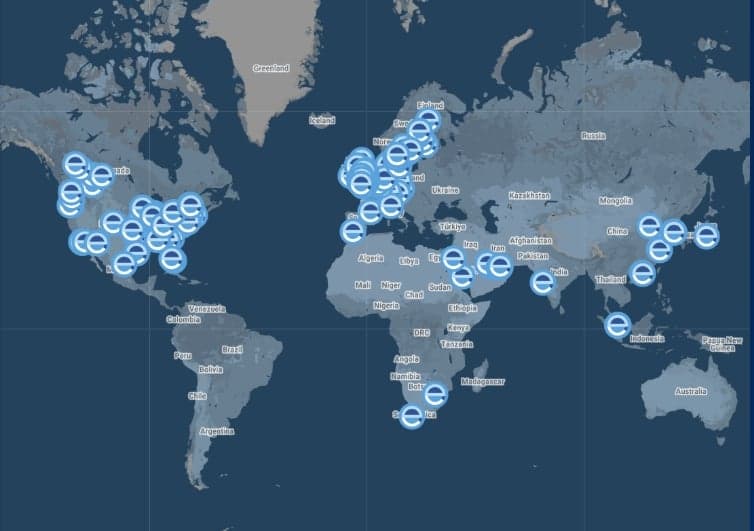
Explore our global network of labs and find your nearest location
VIEW ALL LOCATIONSSpeak to our team of experts
Atlas Cell Testing – NACE TM0174
Element offers Atlas Cell testing services to evaluate the immersion resistance of coatings in line with NACE TM0174. We assist in assessing internal coatings and linings for material selection, determining chemical resistance, and qualifying new coatings for your specific project needs.
Standard Atlas Cell (SAC) testing evaluates the performance and suitability of internal protective coatings and linings in chemically aggressive environments. It also assesses the coating’s ability to withstand temperature differences between the internal and external surfaces of a coated substrate, which can lead to the ‘cold wall effect.’
For service conditions involving pressure, our Pressurized Atlas Cell testing measures a coating’s ability to handle temperature variations between internal and external surfaces while exposed to pressure, temperature, and other environmental factors.