

Stress Corrosion Cracking (SCC) Testing
Stress corrosion cracking (SCC) causes sudden, costly failures without visible warning. Element’s testing combines predictive simulation, advanced metallurgical analysis, and tailored field inspection to identify SCC risk early. From chloride cracking to sour service and IGSCC, our global labs offer scalable, standards-based solutions for industries where failure is not an option.
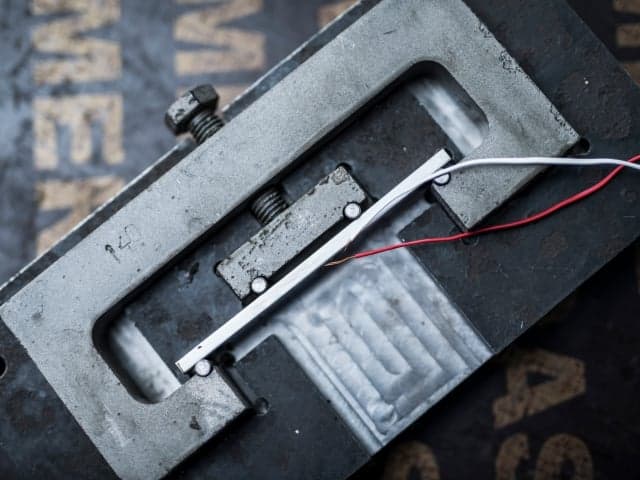
What is Stress Corrosion Cracking (SCC) Testing at Element?
SCC is a localized corrosion that causes sudden, brittle failure in ductile materials exposed to tensile stress and a corrosive environment. It originates at microscopic flaws and propagates without warning, making proactive testing essential. As SCC often develops rapidly, without prior warning, and can lead to catastrophic failure, testing for potential issues before they occur is crucial. At Element, our testing uses predictive analysis and accelerated environmental simulations to identify susceptibility to stress corrosion cracking before failure occurs.
What Can Element Offer You For SCC Testing?
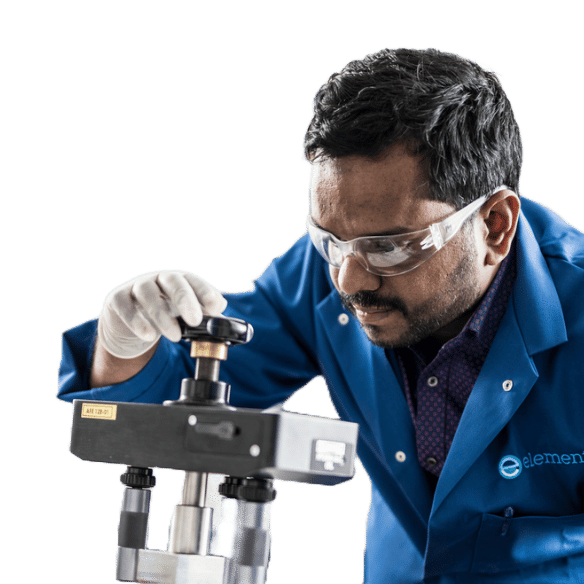
Key Tests Offered
Key Tests Offered
Comprehensive SCC Testing Services and Capabilities.
We offer comprehensive stress corrosion tests for metals and alloys, including:
- Carbon and alloys steels
- Stainless steels
- Nickel alloys
- Aluminum alloys
- Titanium alloys
- Copper alloys
Chlorine-Induced Stress Corrosion Cracking Testing
Chloride stress corrosion cracking (Cl-SCC) is a form of intergranular corrosion in austenitic stainless steel under tensile stress, exposed to oxygen, chloride ions, and elevated temperatures, a critical concern for the nuclear and marine industries. Element provides reliable and safe chloride-induced stress corrosion testing using a chloride-containing environment in accordance with ASTM G-36-94.
Our SCC assessment identifies risks such as external/internal corrosion, weld and fabrication defects, equipment fatigue, incorrect operations, and residual stresses, ensuring early detection across complex structures. We specialize in chloride stress corrosion testing crucial for the nuclear industry, performed in accordance with ASTM G-36-94. Our testing evaluates susceptibility to cracking under various environmental conditions, simulating real-world scenarios your materials will face.
- Sour service cracking tests
- Stress corrosion cracking analysis
- Sulfide stress cracking evaluation
- Chloride stress cracking assessment
- Ammonia stress cracking tests
- Intergranular stress corrosion cracking (IGSCC) analysis
Materials We Test
Materials We Test
We test a comprehensive range of materials prone to stress corrosion cracking, including carbon and alloy steels, stainless steels, nickel alloys, aluminum alloys, titanium alloys, and copper alloys. Our expertise spans materials used across Energy, Aerospace, Transportation, and other critical industries where failure is not an option. We understand the unique challenges each material presents and tailor our testing approach accordingly.
- Carbon and alloy steels
- Stainless steels
- Nickel alloys
- Aluminum alloys
- Titanium alloys
- Copper alloys
Methods And Solutions Offered
Methods And Solutions Offered
We combine field inspection with laboratory analysis to provide you with complete corrosion assessment solutions. Our stress corrosion cracking testing evaluates metal performance under sustained tensile stress from external loads, residual stresses from welding, forming, machining, grinding, physical damage, heat treatment, and operating pressures. We deliver predictive testing for long service life, helping you plan maintenance activities and prioritize safety measures.
- Field inspection services
- Laboratory analysis
- Customized testing protocols - including offshore, high-pressure, rail, and maritime conditions
- Large capacity simulation facilities
- Comprehensive material degradation prediction
- Industry-specific testing approaches
Early Detection and Prevention
Stress corrosion often develops rapidly in a structure. It’s difficult to predict and can lead to unexpected failures. Stress corrosion cracking testing with Element identifies significant threats such as external and internal corrosion, manufacturing defects, welding and fabrication defects, equipment failures, and incorrect operations. Our testing detects these risks early, preventing costly expenses, safety hazards, and damage to the environment and your company’s reputation.
Cutting-Edge Equipment We Use
Cutting-Edge Equipment We Use
Our state-of-the-art laboratory equipment and advanced technology enable precise stress corrosion cracking assessments, even for complex structures and materials. Our large capacity simulation facilities replicate diverse operating environments including onshore, offshore, harsh climates, high altitudes, high pressure, road, rail, and maritime conditions. This technology allows us to deliver accurate predictions of material degradation over extended periods.
- Advanced laboratory testing equipment
- Large capacity environmental simulation chambers
- State-of-the-art corrosion analysis technology
- Specialized testing apparatus for industry-specific needs
- High-precision measurement instruments
- Cutting-edge metallurgical analysis equipment
Which Labs Offer This Service
Which Labs Offer This Service
Our team operates from materials testing hubs across the world, providing global access to our expert capabilities. Find your nearest lab on our Locations Page.
Standards we test to and materials we test
Sour Service Cracking
- NACE MR0175 / ISO 15156
Stress Corrosion Cracking
- ASTM G44, G47, G64 (aluminum)
- NACE TM0198, ASTM G129, ISO 7539-7 (SSRT)
- NACE TM0177, NACE TM0316
Sulfide Stress Cracking
- NACE TM0177, NACE TM0316
- BS 8701
Chloride Stress Cracking
- ASTM G36
Ammonia Stress Cracking
- ASTM B858 (ISO 6957)
- ASTM G37
Intergranular Stress Corrosion Cracking (IGSCC)
Metal and Alloys
- Carbon and alloys steels
- Stainless steels
- Nickel alloys
- Aluminum alloys
- Titanium alloys
- Copper alloys
Your Challenges, Our Solutions

Unexpected failures
Preparing for harsh environmental conditions
Safety risks
Regulatory Burden
Element Experts at your service

Why Choose Element

Compliance Assurance
Industry-Specific Expertise
Global Reach and Accessibility
Cost-effective and Timely Solutions
Frequently asked questions
Why is stress corrosion cracking so dangerous?
SCC develops rapidly without prior warning and can lead to catastrophic failure of standard ductile materials when exposed to combined tensile stress and corrosion. It can occur with static externally applied loads or residual stresses from processes like welding, forming, and machining.
Industry-Specific Expertise
Benefit from our deep knowledge across Oil and Gas, Aerospace, Nuclear, and Transportation sectors. Our industry specialists understand your unique challenges, regulatory requirements, and material performance needs. For nuclear industry clients, we offer specialized chloride-induced stress corrosion testing that addresses the specific challenges of austenitic stainless steel under tensile stress when exposed to oxygen, chloride ions, and high temperature.
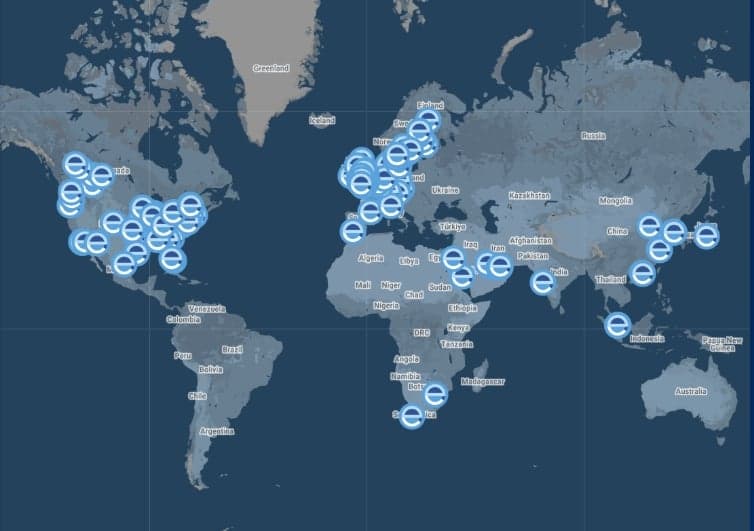
Explore our global network of labs and find your nearest location
VIEW ALL LOCATIONSRelated services
Oil and Gas Corrosion Testing Services
Element's oil and gas corrosion testing identifies material vulnerabilities, supports compliance, and prevents failures through advanced simulation, predictive modeling, and testing in extreme environments.

ASTM F519 Hydrogen Embrittlement (HE) Testing Services
Element's ASTM F519 hydrogen embrittlement testing evaluates material performance under tensile stress, identifying vulnerabilities in high-strength steels and alloys to prevent failures in aerospace, automotive, and energy applications.

Corrosion Inhibitor Testing
Element provides corrosion inhibitor testing to help industries prevent failures, extend infrastructure lifespan, and meet compliance standards by simulating real-world environmental conditions and evaluating inhibitor effectiveness.

Hydrogen Induced Cracking (HIC) Testing
Prevent critical equipment failure with our fast-turnaround Hydrogen Induced Cracking Testing. Expert NACE-compliant analysis ensures your oil & gas components are safe for sour service environments.
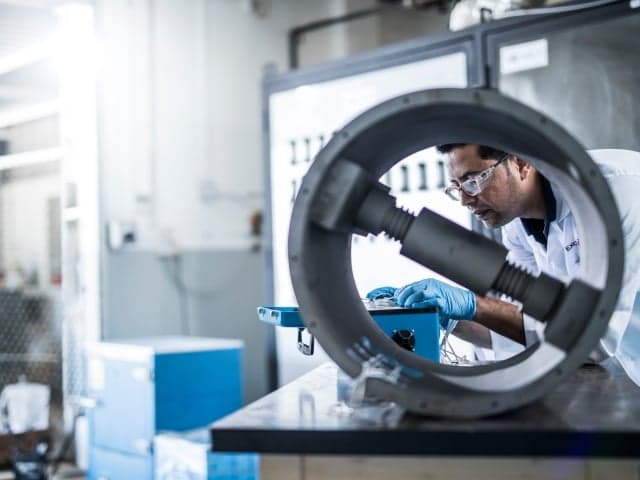
Sour Service Corrosion Testing for NACE MR0175/ISO 15156 Compliance
Element provides industry-leading sour service corrosion testing, helping oil and gas companies mitigate corrosion risks, comply with NACE MR0175/ISO 15156, and enhance material reliability in challenging environments.
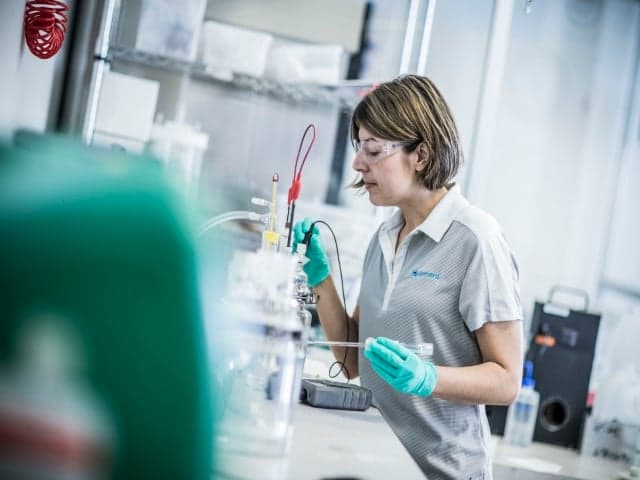
Electrochemical Corrosion Testing
Element offers electrochemical corrosion testing to identify material risks, enhance durability, and support informed material selection across industries.
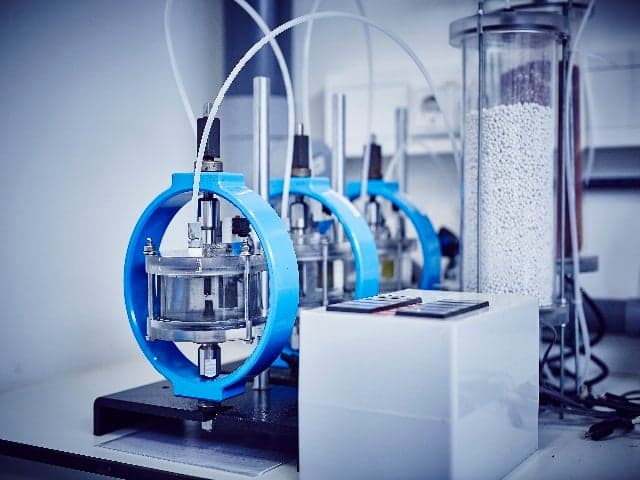
Corrosion Testing Services
Learn about our range of ISO/IEC 17025-accredited corrosion testing services. Safeguard your assets, ensure reliability, qualify welds, assess materials and enhance safety.
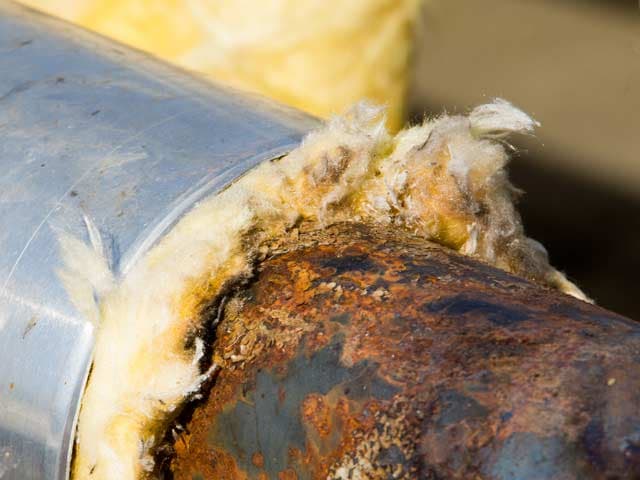
CUI Inspection - Corrosion Under Insulation
Identify hidden corrosion under insulation before it leads to costly failures. Element's advanced CUI inspection protects infrastructure & extends equipment life, meeting industry standards. Learn More.
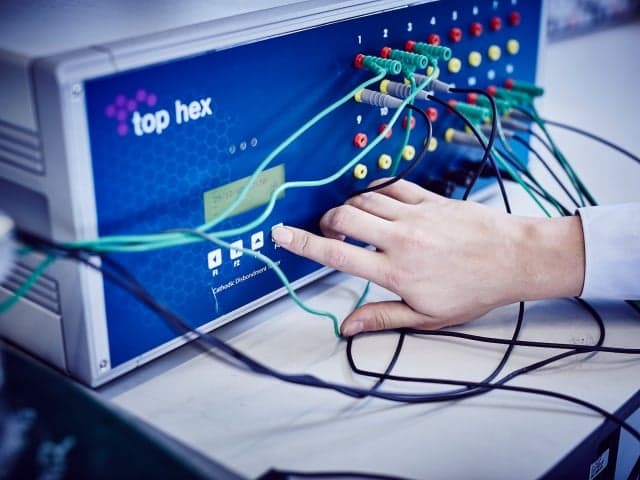
Galvanic Corrosion Testing
Element's galvanic corrosion testing helps you assess material compatibility, prevent failures, and develop effective corrosion protection strategies through advanced electrochemical analysis and real-world environmental simulations.
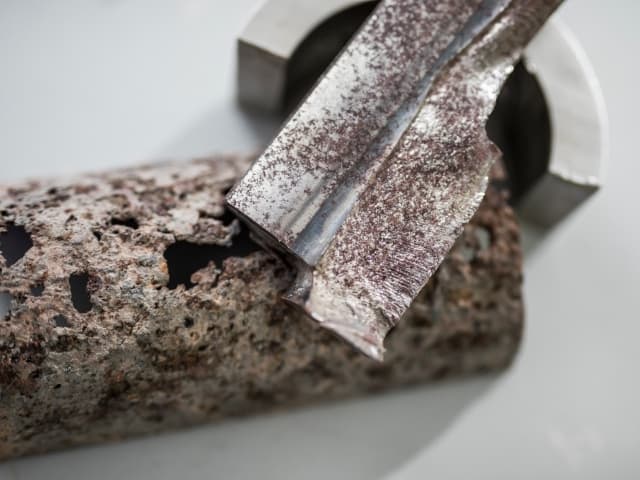
Pitting and Crevice Corrosion Testing
Element provides pitting and crevice corrosion testing to assess material durability, identify hidden vulnerabilities, and support industry compliance using advanced testing methods tailored to real-world environmental conditions.
Slow Strain Rate Testing (SSRT) Services
Element's Slow Strain Rate Testing (SSRT) assesses material susceptibility to stress corrosion cracking and hydrogen embrittlement, providing critical insights for material selection and long-term performance in harsh environments.
Stress Corrosion Cracking (SCC) Testing
Element's stress corrosion cracking testing identifies material vulnerabilities early, preventing sudden failures. Our specialized analysis replicates real-world conditions to enhance reliability, safety, and compliance across critical industries. Learn More.
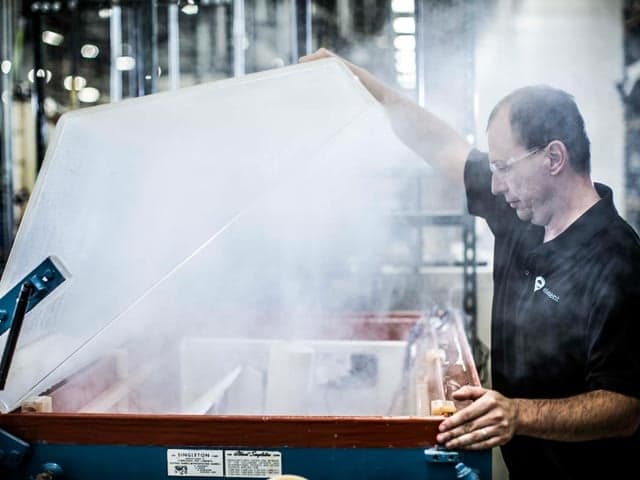
Salt Spray Testing
Ensure corrosion resistance with Element’s salt spray (salt fog) testing. Get accurate, reliable results and customized conditions for your specific needs. Learn more now!
- Oil and Gas Corrosion Testing Services
- ASTM F519 Hydrogen Embrittlement (HE) Testing Services
- Corrosion Inhibitor Testing
- Hydrogen Induced Cracking (HIC) Testing
- Sour Service Corrosion Testing for NACE MR0175/ISO 15156 Compliance
- Electrochemical Corrosion Testing
- Corrosion Testing Services
- CUI Inspection - Corrosion Under Insulation
- Galvanic Corrosion Testing
- Pitting and Crevice Corrosion Testing
- Slow Strain Rate Testing (SSRT) Services
- Stress Corrosion Cracking (SCC) Testing
- Salt Spray Testing