

Solar Radiation Testing Services
Protect your products against UV damage and meet military standards with Element's accredited solar radiation testing. We guide you in selecting the optimal test method, whether cyclic or steady-state, to prevent material deterioration and ensure compliance with MIL-STD-810 requirements. Our comprehensive testing provides the data you need to make informed decisions about product design and material selection.

What is Solar Radiation Testing at Element?
Solar radiation testing measures how UV sunlight affects products and materials over time, examining both thermal response and photochemical deterioration. At Element, we simulate real-world exposure conditions to help you understand how your products will perform throughout their lifecycle, preventing issues like structural changes, discoloration, and overheating. Our accredited test methods give you reliable data to make informed decisions about product safety and performance.
What Can Element Offer You For Solar Radiation Testing Services?
Key Tests Offered
Key Tests Offered
Element's solar radiation testing suite delivers comprehensive validation of your products against UV exposure and thermal effects. We offer both natural cycle simulation and accelerated testing options to meet your specific timeline requirements.
Key testing capabilities include:
- Cyclic exposure testing (MIL-STD-810 Section 505, Part 1)
- Steady-state exposure testing (MIL-STD-810 Section 505 Part 2)
- Peak temperature monitoring and analysis
- Material deterioration assessment
- Outgassing evaluation
- Structural rigidity testing
Components And Materials We Test
Components And Materials We Test
Element specializes in testing military equipment, defense materials, outdoor products, and non-metallic components that require validation against UV exposure and thermal effects. Our comprehensive testing capabilities cover both structural and aesthetic impacts of solar radiation, helping you validate everything from small plastic components to complete military systems and outdoor equipment assemblies.
Methods And Solutions Offered
Methods And Solutions Offered
We provide flexible testing approaches tailored to your specific requirements and timelines. Because most specifications only call for one solar radiation test, deciding which method is best can be challenging. Our experts help you understand the benefits of each test and select the one that best suits your needs.
Additional capabilities include:
- Real-time temperature monitoring
- Material response analysis
- Degradation rate assessment
- Performance threshold identification
Steady-State Exposure Testing:
As outlined in MIL-STD-810 Section 505 Part 2, steady-state exposure testing applies a constant, consistent rate of UV exposure to materials to determine how long it takes for discoloration and deterioration to occur.
Unlike cyclic exposure testing, steady-state exposure uses the same level of radiation over a pre-determined period to find out how many hours of exposure it takes to cause varying degrees of peeling, yellowing, material deterioration and structural change. It can also be used to measure outgassing, a potentially harmful release of vapors that occurs when plastics exceed certain temperatures. Because this is a more accelerated method, it is also used for long-term projects where cyclic exposure would require significantly more time and cost to test.
Cyclic Exposure Testing:
As described in MIL-STD-810 Section 505, Part 1, cyclic exposure testing mimics the natural cycles of sunlight, providing an accurate simulation of how materials will react in real-life situations. Because cyclic exposure better simulates how sunlight changes over the day, this method is generally used to determine how increased temperature will affect a product.
This procedure uses constant temperature monitoring to determine the peak internal and external temperatures of a product, find the point of failure, and establish acceptable working temperatures for products and materials.
Which Labs Offer This Service
Which Labs Offer This Service
Our team operates from Product Qualification Testing hubs across the world, providing global access to our expert capabilities. Find out where your nearest Product Qualification Testing hub is on our Locations Page.
Standards we test to and materials we test
- MIL-STD-810 Section 505
- DEF STAN 00-035
- Plastics and polymers
- Non-metallic materials
- Structural components
- Exterior equipment
- Military hardware
- Defense systems
- Outdoor products
Your Challenges, Our Solutions
Preventing UV damage
Military standards compliance
Selecting the right testing approach
Optimizing products for long-term performance
Why Choose Element
Global testing network
Accredited methods
Expert guidance
Complete testing solutions
Frequently asked questions
What's the difference between cyclic and steady-state exposure testing?
Cyclic exposure mimics natural daylight patterns for realistic simulation, while steady-state applies constant UV exposure to accelerate testing. Cyclic is ideal for temperature effect studies, while steady-state works better for long-term deterioration assessment.
How does solar radiation testing help improve my products?
By measuring how equipment changes during exposure to UV radiation, we help you make better, more durable products. Our testing identifies potential issues like outgassing, overheating, discoloration, material deterioration, and loss of structural rigidity before they impact your product in the field
Do you provide guidance on which testing method to choose?
Yes. Since most specifications only call for one solar radiation test, we help you understand the benefits of each test method and can assist in choosing the one that will best suit your needs based on your timeline, budget, and specific testing requirements.
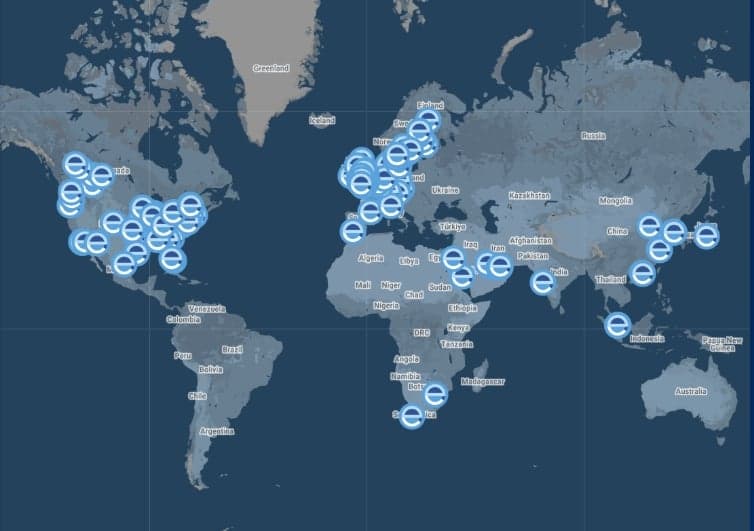
Explore our global network of labs and find your nearest location
VIEW ALL LOCATIONSRelated services
Military Sand & Dust Testing Services
Element provides accredited sand and dust testing, assessing military product performance under real-world conditions, to MIL-STD-810, IP, and RTCA DO-160 standards.
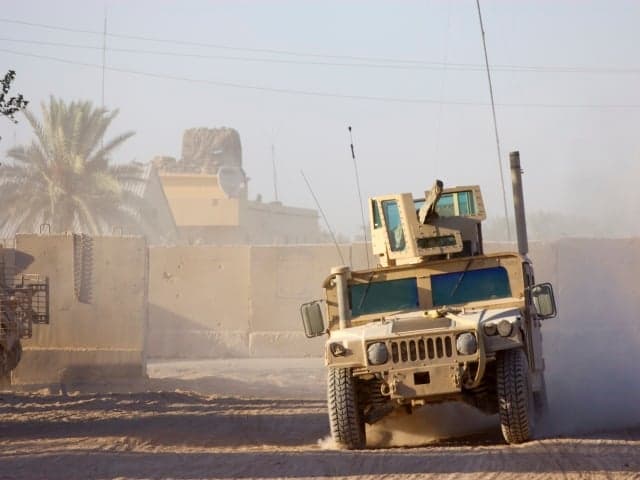
DEF STAN 00-35 Testing Services
For nearly 190 years, we have delivered reliable military environmental testing, helping aerospace and defense products meet DEF STAN 00-35 standards and reach market faster with proven performance.
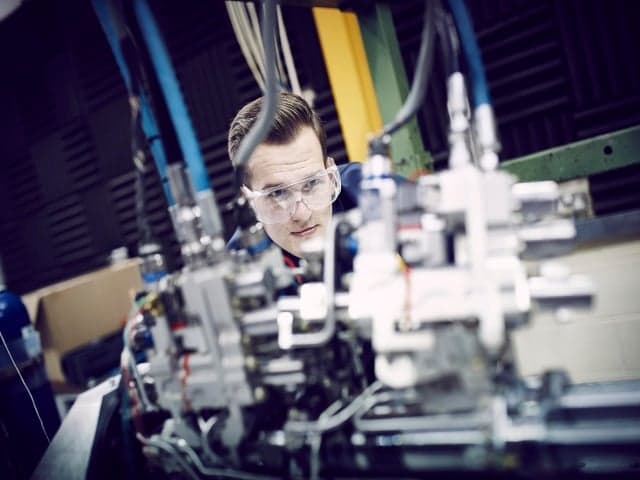
MIL-STD-810 Testing Services
Element's MIL-STD-810 testing services validate military and defense products under extreme conditions, delivering reliable, accredited results for compliance and performance qualification.
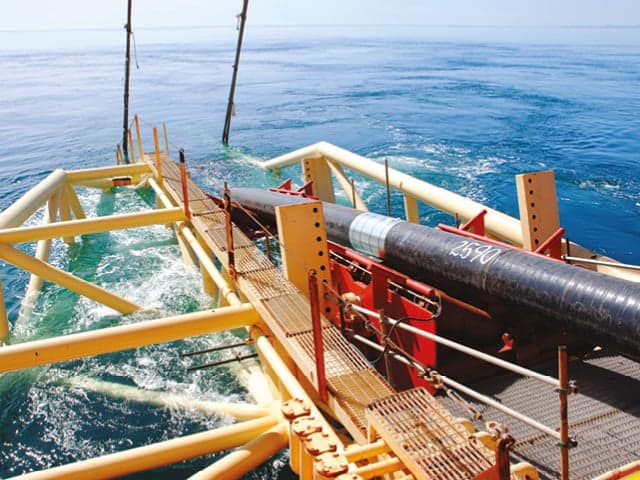
Energy Coatings Testing Services
Protect your critical energy assets with Element's specialized coatings testing. We simulate extreme offshore and pipeline conditions to validate performance, prevent costly failures, and ensure compliance. Learn More.
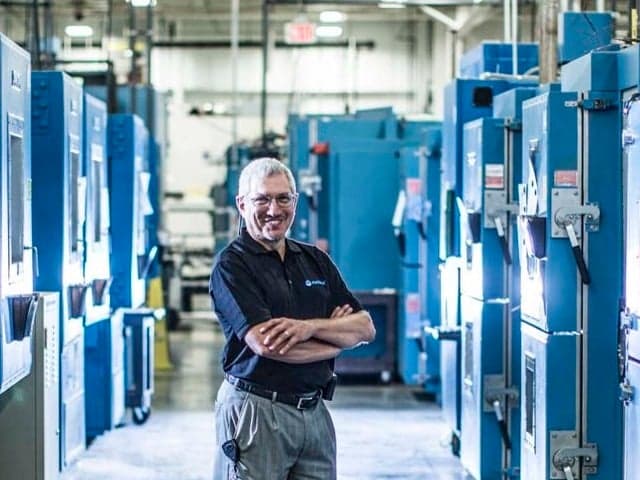
Accelerated Weathering Testing Services
Element's accelerated weathering testing services evaluate durability under harsh conditions, helping you mitigate premature product failures, maintain quality standards, and achieve confidence in real-world performance for consistent success.
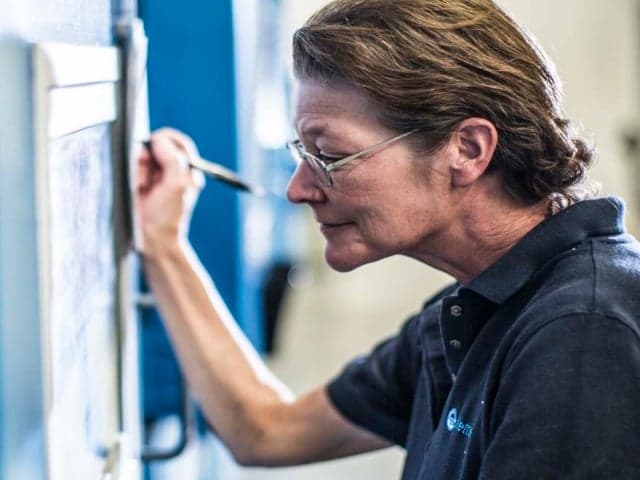
Ultraviolet Exposure & UV Testing Services
Element's UV testing services simulate sunlight exposure to assess material durability. Gain critical insights into degradation, improve product longevity, and meet industry standards with precise, lab-controlled testing.
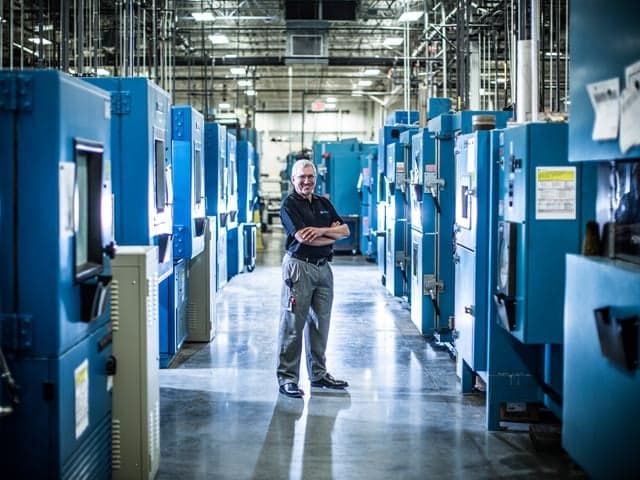
Climatic & Environmental Chamber Testing Services
Test your products' durability with environmental chambers at Element. Accurately simulate real-world conditions to meet industry standards and ensure performance.