Slow Strain Rate Testing (SSRT) Services
Ensure your materials perform under pressure. Element’s SSRT and RSSRT services identify susceptibility to stress corrosion cracking and hydrogen embrittlement, so you can select, qualify, and optimize metals with confidence. With custom test setups, cyclic loading protocols, and full compliance to NACE and ASTM standards, we deliver the insights you need to reduce risk and make smarter engineering decisions.
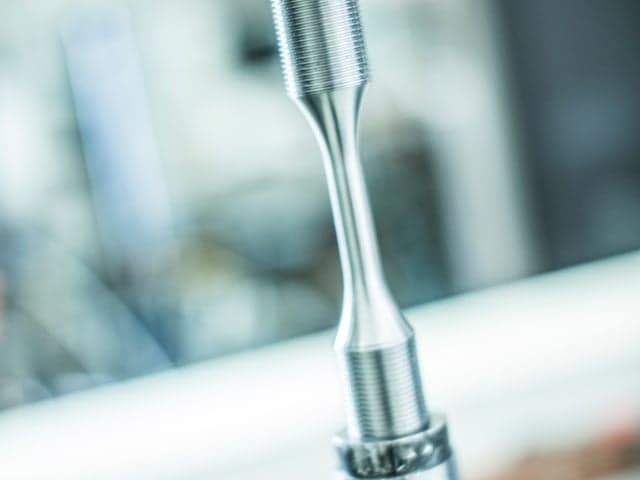
What is Slow Strain Rate Testing (SSRT) at Element?
Slow Strain Rate Testing evaluates the susceptibility of metals to Stress Corrosion Cracking (SCC) or Hydrogen Embrittlement (HE) by testing tensile specimens at very slow strain rates (typically 10-5 s-1). At Element, we conduct tests in both air and corrosive environments, comparing ductility properties and fracture surfaces to determine material performance. We also offer Ripple Slow Strain Rate Testing (RSSRT) - a modified method that cycles stainless steel or nickel alloys around their yield point to assess long-term durability.
What Can Element Offer You For SSRT?
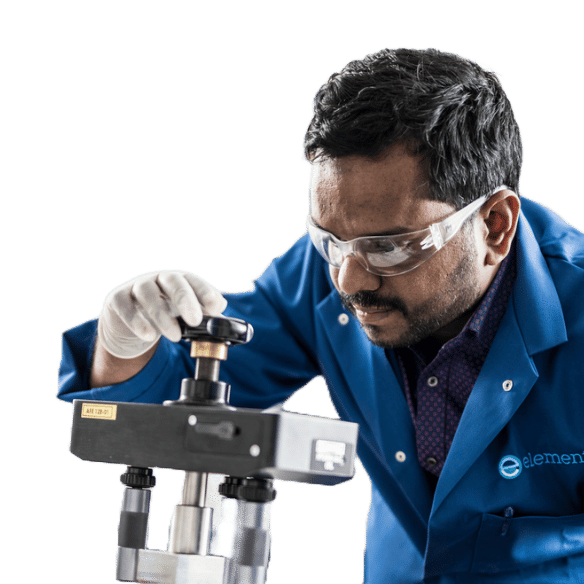
Key Tests Offered
Key Tests Offered
We offer both standard Slow Strain Rate Testing (SSRT), performed at strain rates around 10⁻⁵ s⁻¹, and Ripple SSRT (RSSRT), which cycles specimens around the yield point to disrupt passive films. These methods compare material behavior in air vs. corrosive environments to assess SCC and HE resistance under real-world stress conditions.
- Standard SSRT for constant strain rate evaluation
- Comparative testing between air and corrosive environments
- RSSRT for disruption of passive films in corrosive conditions
- 250-cycle, 7-day testing protocols for RSSRT
- Ductility property and fracture surface analysis
Materials We Test
Materials We Test
We specialize in testing critical materials used in demanding environments where corrosion resistance is paramount. Our expertise extends to Corrosion Resistant Alloys (CRAs), various grades of stainless steel, and nickel alloys. Each material undergoes rigorous evaluation to determine its susceptibility to stress corrosion cracking and hydrogen embrittlement, giving you crucial insights for material selection and application-specific performance.
- Corrosion Resistant Alloys (CRAs) for oilfield applications
- Stainless steel grades for corrosive environments
- Nickel alloys for specialized applications
- Metals intended for sour service environments
- Materials requiring performance verification at elevated temperatures
Methods And Solutions Offered
Methods And Solutions Offered
We follow industry-recognized standards including NACE TM0198, ASTM G129, and ISO 7539-7 for SSRT, ensuring your results meet regulatory requirements and industry expectations. For RSSRT, we implement methods based on NACE Paper No. 58, Corrosion 97, providing consistent, reliable evaluation of cyclic performance in corrosive conditions. Our systematic approaches deliver actionable insights into material durability and susceptibility to environmental degradation.
- NACE TM0198 method for quick screening of CRAs
- ASTM G129 protocols for standardized testing
- ISO 7539-7 compliance for international recognition
- NACE Paper No. 58, Corrosion 97 methodology for RSSRT
Our team can also develop custom SSRT and RSSRT test setups that replicate your component’s operating conditions, including elevated temperature, sour environments, or specific pressure profiles, to provide highly relevant, application-specific performance data.
More about the SSRT Method
The SSRT test involves testing of tensile specimens at strain rates typically in the order of 10-5. s-1. The tests are conducted in air and within a corrosive environment, and the ductility properties (elongation and reduction of area) and the appearance of fracture surfaces are compared. We use the NACE TM0198 method to rapidly screen Corrosion Resistant Alloys (CRAs) for resistance to stress corrosion cracking at elevated temperatures, particularly in sour oilfield production environments
Our Slow Strain Rate Testing Methods include:
- NACE TM0198 (SSRT)
- ASTM G129 (SSRT)
- ISO 7539-7 (SSRT)
More about the RSSRT Method
RSSRT is a modified slow strain rate test in which stainless steel or nickel alloy tensile specimens are repeatedly loaded and unloaded around their yield point. This cyclic loading disrupts the protective passive oxide film in corrosive environments, enabling the detection of early-stage stress corrosion cracking (SCC) and hydrogen embrittlement (HE) mechanisms. The test typically runs for 250 cycles of 7 days and any failures occurring within the test period may be indicative of susceptibility to Stress corrosion cracking (SCC) and Hydrogen embrittlement (HE).
Our Ripple Slow Strain Rate Testing Methods include:
- NACE Paper No. 58, Corrosion 97 (RSSRT)
Long-term durability assessment
Our RSSRT methodology provides long-term insight into the corrosion fatigue behavior of metals by simulating repeated strain exposures under aggressive environmental conditions. By subjecting tensile specimens to cyclic loading conditions around the yield point, we disrupt passive films and accelerate potential failure mechanisms. This approach provides valuable early indications of susceptibility to stress corrosion cracking or hydrogen embrittlement, helping you identify and mitigate risks before they impact your operations.
Cutting-Edge Equipment We Use
Cutting-Edge Equipment We Use
Our laboratories are equipped with specialized testing apparatus capable of precisely controlling strain rates at the microscopic level (typically 10-5 s-1), creating the exact conditions needed to evaluate stress corrosion cracking susceptibility. Our advanced environmental chambers simulate specific corrosive conditions while maintaining precise temperature and pressure control, allowing us to replicate your actual operating environments for truly relevant results.
- Precision strain rate control systems
- Environmental chambers for corrosive medium exposure
- Specialized cyclic loading equipment for RSSRT
- Advanced measurement systems for ductility property analysis
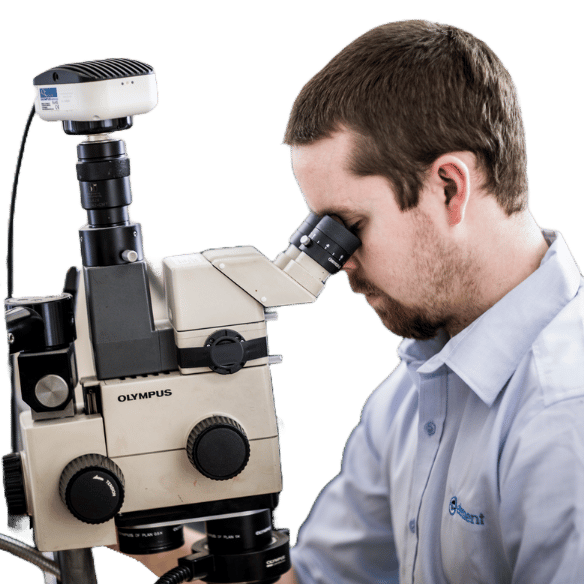
- High-resolution imaging for fracture surface examination
Which Labs Offer This Service
Which Labs Offer This Service
Our team operates from Energy hubs across the world, providing global access to our expert capabilities. See all our labs on our Locations Page.
Standards we test to and materials we test
- NACE TM0198 (SSRT)
- ASTM G129 (SSRT)
- ISO 7539-7 (SSRT)
- NACE Paper No. 58, Corrosion 97 (RSSRT)
Metals and alloys
- Corrosion Resistant Alloys (CRAs)
- Stainless steel varieties
- Nickel alloys
- Metals for sour oilfield environments
- Materials requiring elevated temperature performance
Your Challenges, Our Solutions

Unexpected Corrosion Failures
Uncertainty in Material Selection
Unreliable Lab Testing Conditions
Late Discovery of Material Vulnerabilities
Element Experts at your service

Why Choose Element

Specialized Corrosion Expertise
Reduce Risk
Make Valuable, Comparative Assessments
Benefit from Custom Testing
Frequently asked questions
When should Slow Strain Rate Testing be used instead of standard tensile testing?
Customers typically use SSRT when evaluating materials for corrosive or hydrogen-containing environments. Unlike conventional tensile testing, Slow Strain Rate Testing (SSRT) measures how environmental exposure affects material performance, helping identify susceptibility to Stress Corrosion Cracking (SCC) and Hydrogen Embrittlement (HE) before components enter service.
What data should customers provide before Slow Strain Rate Testing (SSRT)?
-
Alloy condition
-
Expected stress state
-
Temperature
-
Fluid chemistry
-
Gas composition
-
Pressure
-
Cathodic protection conditions
-
Target standard
Can Slow Strain Rate Testing (SSRT) support hydrogen and sour service decisions?
Yes. Slow Strain Rate Testing (SSRT) can provide comparative evidence for environmentally assisted cracking risk in hydrogen, H2S, chloride, or other aggressive environments, helping teams screen materials before committing to longer or more expensive qualification programs.
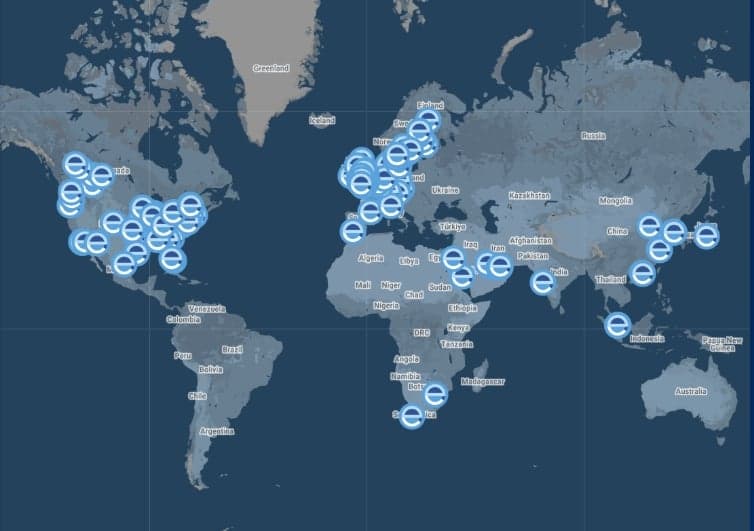
Explore our global network of labs and find your nearest location
VIEW ALL LOCATIONSRelated services
Oil and Gas Corrosion Testing Services
Element's oil and gas corrosion testing identifies material vulnerabilities, supports compliance, and prevents failures through advanced simulation, predictive modeling, and testing in extreme environments.

ASTM F519 Hydrogen Embrittlement (HE) Testing Services
Element's ASTM F519 hydrogen embrittlement testing evaluates material performance under tensile stress, identifying vulnerabilities in high-strength steels and alloys to prevent failures in aerospace, automotive, and energy applications.

Corrosion Inhibitor Testing
Element provides corrosion inhibitor testing to help industries prevent failures, extend infrastructure lifespan, and meet compliance standards by simulating real-world environmental conditions and evaluating inhibitor effectiveness.

Hydrogen Induced Cracking (HIC) Testing
Prevent critical equipment failure with our fast-turnaround Hydrogen Induced Cracking Testing. Expert NACE-compliant analysis ensures your oil & gas components are safe for sour service environments.
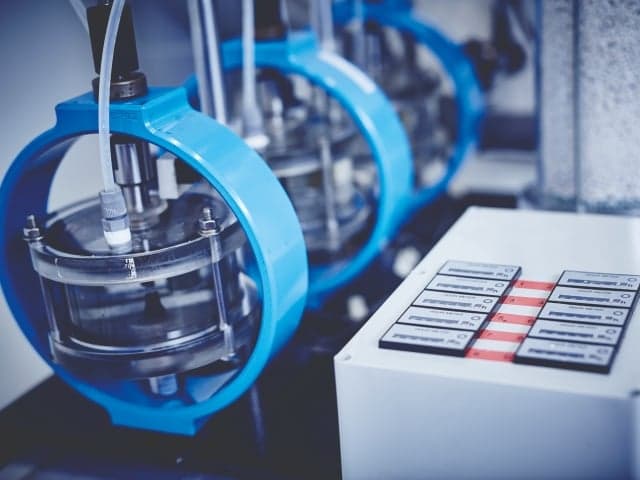
Sulfide Stress Cracking (SSC) Testing Services
Prevent catastrophic pipeline failures with Element's ISO/IEC 17025-accredited Sulfide Stress Cracking testing services. Our global experts detect early SSC risks in sour service environments using proprietary methods and NACE-compliant protocols.
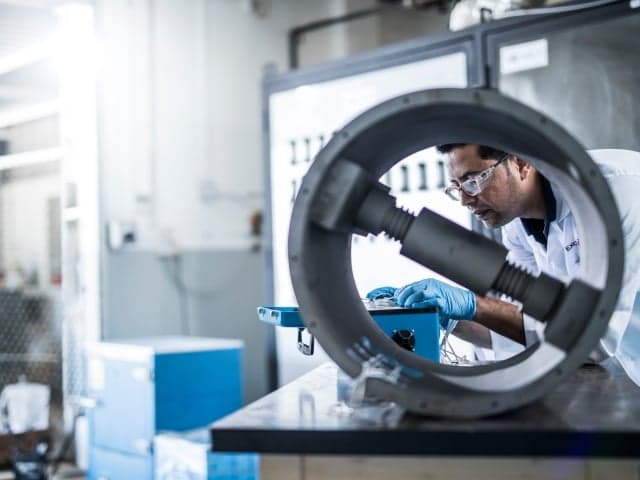
Sour Service Corrosion Testing for NACE MR0175/ISO 15156 Compliance
Element provides industry-leading sour service corrosion testing, helping oil and gas companies mitigate corrosion risks, comply with NACE MR0175/ISO 15156, and enhance material reliability in challenging environments.
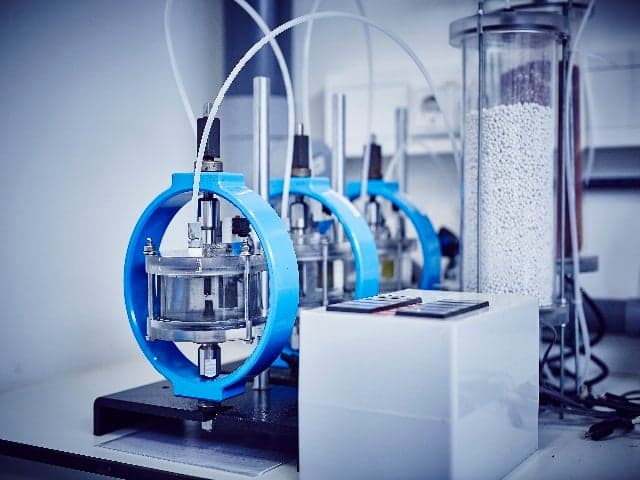
Corrosion Testing Services
Learn about our range of ISO/IEC 17025-accredited corrosion testing services. Safeguard your assets, ensure reliability, qualify welds, assess materials and enhance safety.
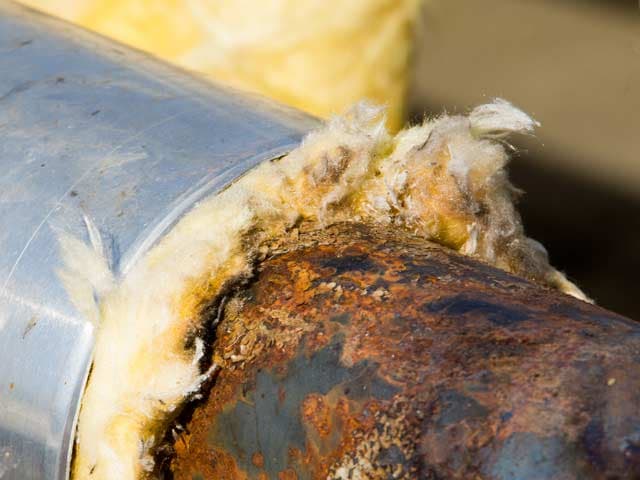
CUI Inspection - Corrosion Under Insulation
Identify hidden corrosion under insulation before it leads to costly failures. Element's advanced CUI inspection protects infrastructure & extends equipment life, meeting industry standards. Learn More.
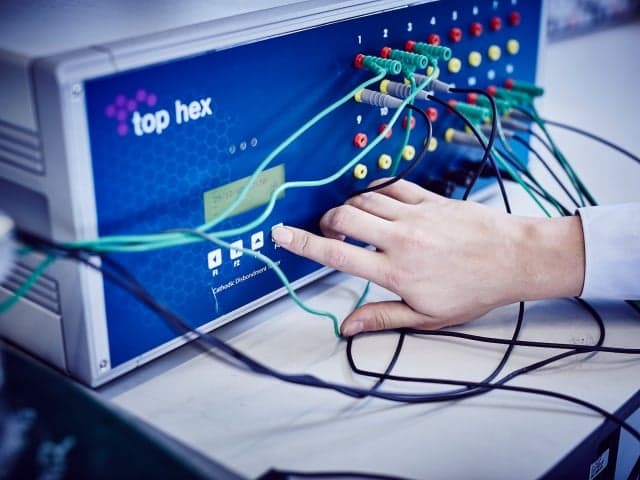
Galvanic Corrosion Testing
Element's galvanic corrosion testing helps you assess material compatibility, prevent failures, and develop effective corrosion protection strategies through advanced electrochemical analysis and real-world environmental simulations.
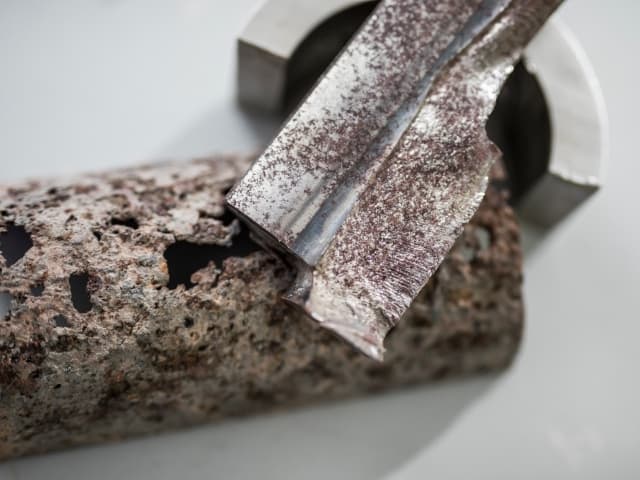
Pitting and Crevice Corrosion Testing
Element provides pitting and crevice corrosion testing to assess material durability, identify hidden vulnerabilities, and support industry compliance using advanced testing methods tailored to real-world environmental conditions.
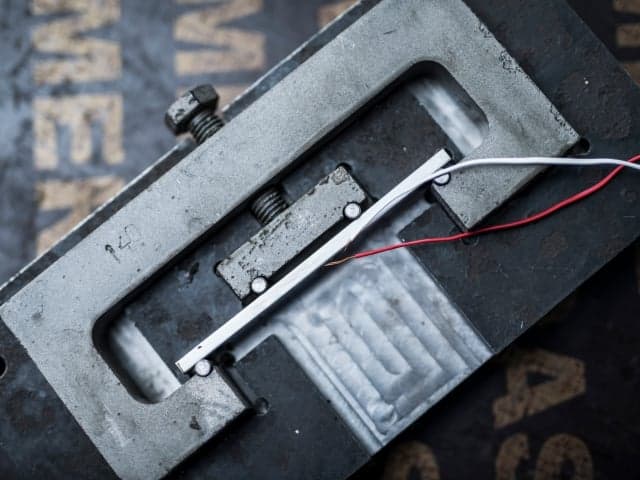
Stress Corrosion Cracking (SCC) Testing
Element's stress corrosion cracking testing identifies material vulnerabilities early, preventing sudden failures. Our specialized analysis replicates real-world conditions to enhance reliability, safety, and compliance across critical industries. Learn More.
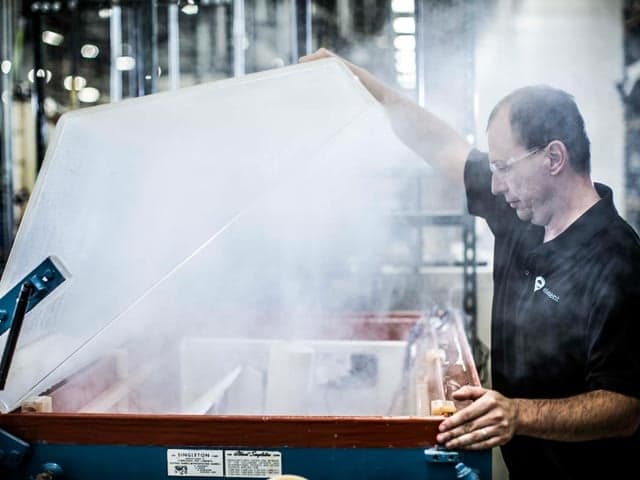
Salt Spray Testing
Ensure corrosion resistance with Element’s salt spray (salt fog) testing. Get accurate, reliable results and customized conditions for your specific needs. Learn more now!
- Oil and Gas Corrosion Testing Services
- ASTM F519 Hydrogen Embrittlement (HE) Testing Services
- Corrosion Inhibitor Testing
- Hydrogen Induced Cracking (HIC) Testing
- Sulfide Stress Cracking (SSC) Testing Services
- Sour Service Corrosion Testing for NACE MR0175/ISO 15156 Compliance
- Corrosion Testing Services
- CUI Inspection - Corrosion Under Insulation
- Galvanic Corrosion Testing
- Pitting and Crevice Corrosion Testing
- Stress Corrosion Cracking (SCC) Testing
- Salt Spray Testing