

Acoustic Cameras For Noise Impact Assessments
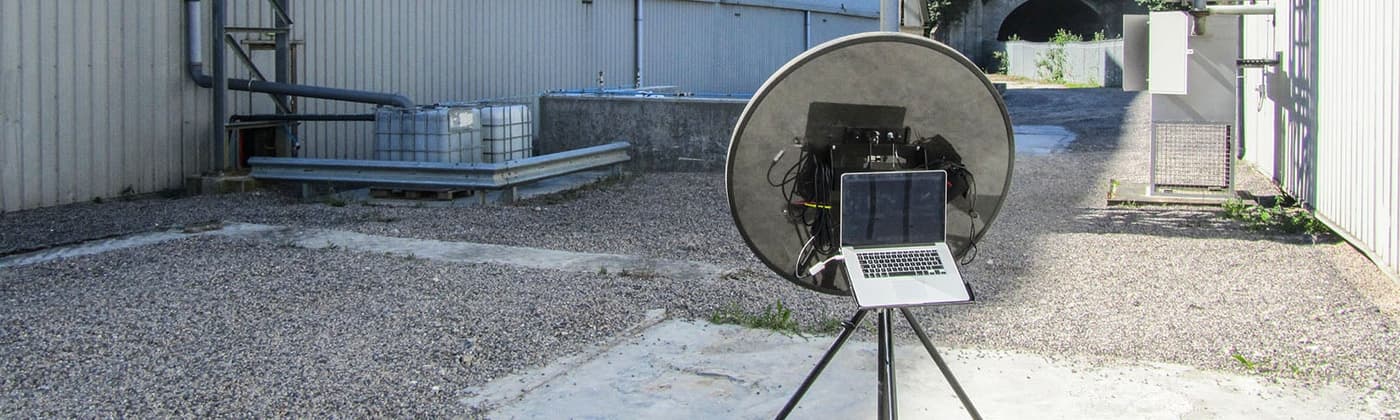
Acoustic cameras are advanced tools that transform how noise management is approached. These sophisticated cameras can capture both visual and acoustic data, providing a comprehensive analysis of noise sources in a given environment. In this article, Element Expert Stephen Wigham discusses how these cutting-edge tools are revolutionizing noise assessment and empowering decision-making.
What Is an Acoustic Camera?
An Acoustic Camera or “Acoustic Noise Camera” is an advanced device designed to visualize sound sources in a given environment. It captures the level of sound coming from various directions and represents it visually. Unlike traditional microphones that simply measure sound levels, an acoustic camera provides a spatial representation of sound sources, allowing users to pinpoint their locations and assess their intensities.
The typical setup of an acoustic camera involves an array of microphones, often numbering in the hundreds, strategically positioned on a structure or within a dish. For example, the device mentioned in your paragraph employs 256 microphones mounted on a 1.05m dish. This extensive array allows for comprehensive coverage and accurate sound source localization.
Due to the high number of receivers, an acoustic camera can effectively assess low-level noise, making it suitable for various applications where precise noise analysis is crucial. These applications span across industries such as automotive, aerospace, environmental monitoring, and healthcare.
How Do Acoustic Cameras Work?
Acoustic cameras operate based on the principle of analyzing the time delays of sound waves reaching multiple microphones in the array. When a sound originates from a particular direction, it reaches each microphone at slightly different times due to the varying distances involved. By precisely measuring these time delays and comparing them across the microphone array, the system can triangulate the source of the sound.
The process involves sophisticated signal processing algorithms that analyze the delays and reconstruct the sound field in real-time. This reconstructed sound field is then visually represented, often as a map or image, where the intensity and direction of sound sources are depicted.
In simpler terms, imagine each microphone as a pixel in a camera. By analyzing how the sound "hits" each microphone, the system can create a visual "picture" of where the sound is coming from. This visualization allows users to identify and locate sound sources with high precision.
Acoustic cameras find wide-ranging applications across industries. In automotive and aerospace, they aid in noise reduction and quality control efforts. In environmental monitoring, they help identify noise pollution sources. In healthcare, they assist in diagnostic procedures. Overall, acoustic cameras play a crucial role in optimizing products, environments, and processes where sound analysis is paramount.
Why Should Your Industry Consider Using Acoustic Cameras for Noise Impact Assessments?
Acoustic cameras can be used to perform a range of actions for noise assessments, including:
- Source Location and Identification of Tonal Sources for Industry: Acoustic cameras can accurately pinpoint the exact location of noise sources within industrial settings. This capability is particularly useful for identifying tonal sources that may indicate machinery malfunctions or inefficiencies. By identifying these sources, you can take targeted actions to reduce noise emissions, improve efficiency, and comply with noise regulations.
- Sound Insulation: These cameras can be used to assess the effectiveness of sound insulation measures, such as partitions and doors, in buildings. By visualizing sound propagation and identifying weak points in insulation, these cameras help architects, engineers, and construction professionals optimize building designs to minimize noise transmission between spaces. This is crucial for ensuring your occupants' comfort and compliance with noise regulations, especially in residential and commercial settings.
- Wind Turbine Assessments: Acoustic cameras play a vital role in evaluating the noise generated by wind turbines. They enable accurate measurement and visualization of turbine noise emissions, helping you assess the impact on surrounding communities and comply with regulatory requirements. By identifying noise hotspots and understanding the propagation of sound, you can implement mitigation measures to minimize the impact of wind turbine noise on nearby residents.
- Noise Breakout from Buildings: Acoustic noise cameras are effective tools for assessing noise breakout from buildings, particularly in urban environments with high population density. By visualizing sound propagation and identifying areas where noise escapes, you can design and implement effective noise control measures to minimize disturbances to neighboring properties. This is essential for creating livable and sustainable urban environments where residents can enjoy peace.
- Detailed Noise Investigations On Site: Acoustic noise cameras enable detailed noise investigations on-site, allowing you to accurately assess noise sources, levels, and propagation patterns in real time. Whether it's for troubleshooting industrial equipment, evaluating the effectiveness of noise control measures, or conducting environmental noise studies, these cameras provide valuable insights that inform decision-making.
Conclusion
Acoustic cameras are an incredibly useful tool for assessing and managing noise in different domains, including environmental monitoring and industrial settings. By providing precise localization, comprehensive analysis, and actionable insights, these tools enable you to make informed decisions, optimize noise control strategies, and ensure regulatory compliance. This helps in creating a safer and more peaceful environment for everyone.
Whether you're navigating environmental assessments, addressing road and traffic noise concerns, or resolving industrial noise complaints, acoustic cameras serve as indispensable assets in your noise management toolkit. To learn more about how our team at Element can assist you in leveraging acoustic camera technology effectively, please visit our About Us page to discover our credentials and expertise. For more information about our Noise Impact Assessment services or to speak with an expert, don't hesitate to contact us today.
By Engaged Expert

Related Industries

Related Services
Air Dispersion Modeling Services
Element provides a range of specialist air dispersion modeling solutions for a range of sectors including industrial, manufacturing, waste, cement, and governmental and environmental consultants.
Stack Emissions Testing and Monitoring Services
Element's Stack Emissions Testing and Monitoring Services deliver precise, accredited testing for compliance across multiple industries. With expert teams, advanced technology, and comprehensive solutions, we help ensure environmental standards are met efficiently, minimizing operational disruptions and simplifying data management.
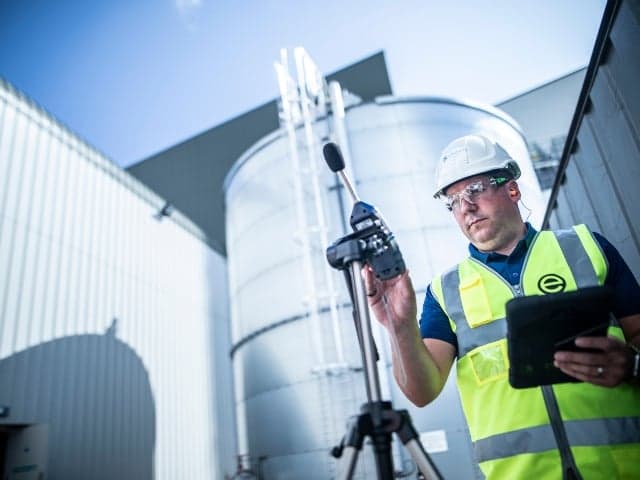
Noise Impact Assessment Services
Element's team of experts are members of the IOA and the BOHS and can provide specialist testing, assessment, and modelling services in all areas of environmental and workplace acoustics.
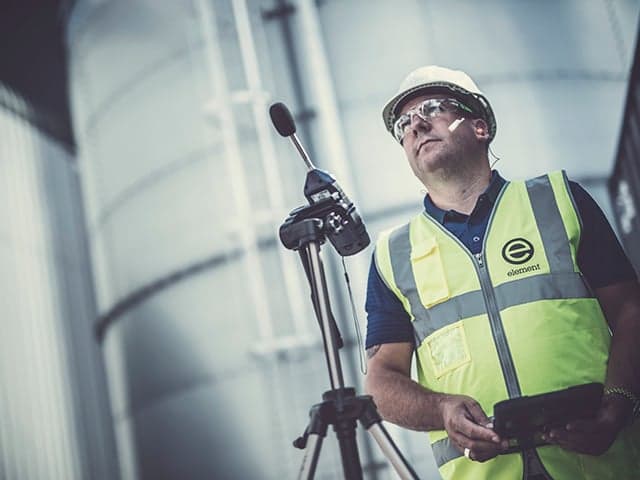
Environmental Impact Assessments Services
Element's Environmental Impact Assessments provide air, noise, and vibration studies to meet planning and regulatory needs. Backed by advanced modeling and independent verification, we deliver accurate results to protect communities, ensure compliance, and streamline your project planning.

Leak Detection and Repair Services (LDAR)
Element offers Leak Detection and Repair (LDAR) services to reduce VOCs and VHAPs at industrial plants across multiple sectors. Find out more.

Environmental Compliance Services
Need reliable hydrocarbon testing? Element delivers precise analysis of water and soil samples to ensure regulatory compliance and prevent environmental issues. Our advanced labs provide fast, accurate results for all your testing needs.
Biogenic Carbon Emissions Monitoring services
Element offers OFGEM-approved biogenic carbon emissions measurement services to determine the renewable energy content of waste-derived fuels combusted at energy-from-waste plants.