

The Difference Between Computed Radiography (CR) and Digital Radiography (DR)
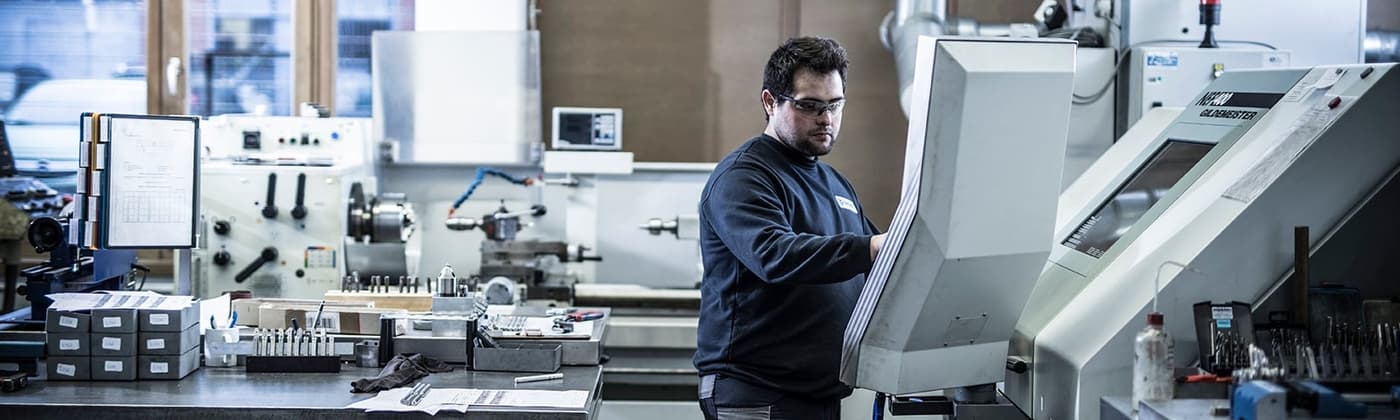
Digital radiography has seen increasing use in the world of non-destructive testing in recent years, of which there are two basic types: Computed Radiography (CR) and Digital Detector Array radiography (DDA), more commonly known as Digital Radiography (DR).
With ongoing technological advancements and significant cost reductions with regards to purchasing, processing, and storage of traditional film, digital systems have rapidly become the preferred choice.
Computed radiography Vs digital radiography
3D scanning: computed tomography (CT)
Both DR and CR modalities produce a 2D image of the object. In contrast, CT systems produce a 3D image that is created by taking multiple image ‘slices’ (usually many thousands) at different angles around a single axis of object rotation. The computer then uses complex algorithms to reconstruct the slices into a 3D form. This process is very computer-intensive and can be time-consuming. Still, the final reconstructed image can pinpoint discontinuities within an object and give a precise depth and location which 2D systems simply cannot provide.
Benefits of digital systems
As a rule, the main advantage digital systems have over film-based systems is image portability. Images can be easily stored or sent electronically worldwide in seconds, as they are saved as computer files in various formats as opposed to film, which is carefully stored in humidity-controlled environments – for decades in some cases.
Deciding between computed and digital radiography
There are several factors to consider when deciding which method best suits your needs. Both CR and DR systems generally require far less exposure time than film radiography. Both offer high latitude images and eliminate the reliance on chemicals for processing.
Overall image quality is enhanced and more efficient with DR systems in comparison to CR systems; DDA exposures are typically 10-15 seconds in duration, which drastically reduces inspection times.
DDA applications include several small specimens placed on one 14”x17” detector, or orient-ing the detector around/inside a larger specimen. However, CR film is flexible to meet the contour of a specimen, which is not possible for DD applications.
As a DDA system does not involve a technician removing the IP (or film to be processed), it permits automation by specimen manipulation between the source and the detector. This can be applied to small and large specimens alike.
The Element advantage
Element’s industry-leading laboratories host the latest digital radiographic testing equipment that can quickly and efficiently identify weaknesses in your materials. Our experts use this powerful non-destructive testing method in the aerospace, energy, and manufacturing sectors to make certain your products are compliant and fit for purpose.
Find out more about how our services can help you, contact our engaged experts today.
Related Services
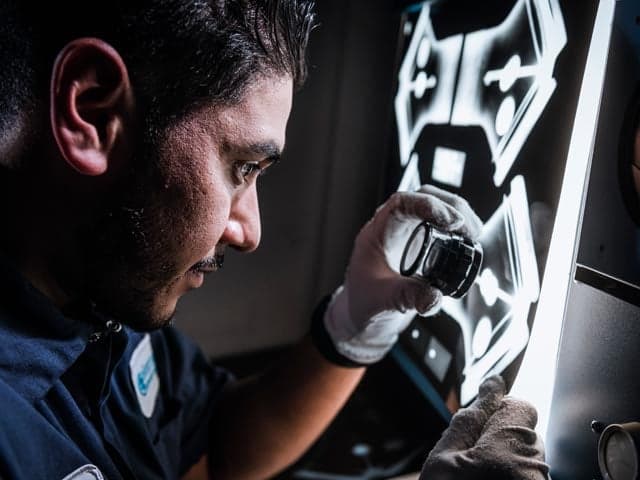
Radiographic Testing (RT) and Inspection Services
Element provides radiographic testing and inspection services to detect hidden defects in critical components. Our advanced NDT methods meet industry standards, ensuring compliance, efficiency, and reliable quality verification.
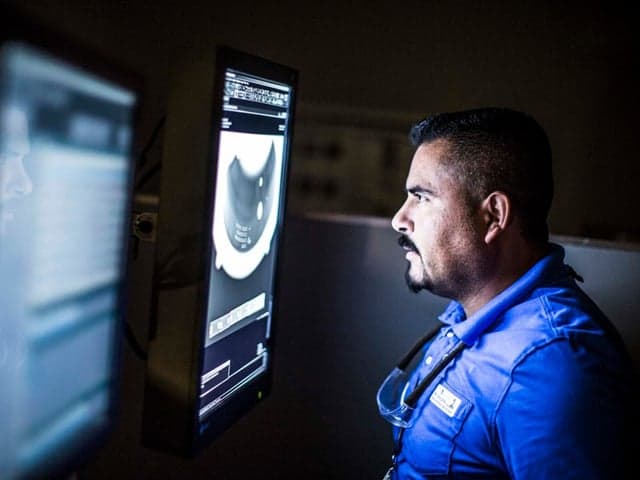
Non-Destructive Testing (NDT) and Inspection Services
Get precise, reliable non-destructive testing (NDT) to detect flaws, verify material integrity, and meet industry standards, saving time and reducing risk. View services.