
Short Course: Training on Lightning Protection of Aircraft
Dates to be confirmedElement Oxford
The Lightning Protection of Aircraft Short Course series was started to disseminate to industry the considerable wealth of knowledge gained by Element in this important field over the past 40 years.
Details
About the course
Element Oxford’s Lightning Protection of Aircraft Short Course includes the latest information relevant to present and future aerospace vehicles, and their certification.
Note: Dates for this course are still to be confirmed - contact us for further information.
Training location
Training will take place at Element Oxford in Oxford, UK.
Pricing and booking information
The course pricing is covered per delegate and includes an early-bird savings rate and a standard rate booking.
- Early-bird rate: £1,250
- Standard rate: £1,500
The cost includes lunch and refreshments throughout both days; however, the cost of hotel accommodation is not included.
Who is this course for?
This course is ideal for professional engineers working in the field of aerospace design and development, manufacture and certification. It covers the protection of structures and systems against lightning strikes. No previous knowledge of the subject of lightning protection is assumed and all concepts will be explained as the lectures proceed.
How to book
To book yourself or your teams’ space on the course, contact us via contact.us@element.com.
Training Topics Covered
Characteristics and General Information
- Characteristics of lightning, its interaction with, and its effect on aircraft
- Where does the lightning strike the aircraft (zoning)?
- Lightning threat definition for certification and testing
- Standards and specifications for civil and military aircraft
- Procedure for certification
Lightning Damage and Protection
- Lightning damage to metal and composite aircraft structures
- Damage mechanisms and protection against damage
- Damage and interruption of electrical systems by induced voltages from lightning
- How they arise, how they can be determined by simulation and test and how to protect against them
- Test techniques for the certification of systems and equipment
Fuel System Hazards
- Hazards to fuel systems
- How they arise, how protection can be provided for fuel systems and structures and demonstrated by test
Antennas, Radomes, and Dielectrics
- Lightning damage to antennas and radomes
- Protection of dielectrics against puncture and reduction of transients induced on receivers
Testing and Training
- Simulated lightning demonstrated in the laboratory
- Interactive problem-solving class
Comprehensive Protection Methods
- Protection methods against the effects of Lightning for Structure, Fuel and Avionics Systems
Meet the Trainers
Stephen has been with the company since 2016. He is responsible for both testing and technical advice/modelling for the support of aircraft system qualifications through the prediction of induced transients. He is experienced with testing at the equipment, system and even aircraft level, having performed numerous whole aircraft tests and system tests.
Richard Joined the company in 2009, He is responsible for both direct effects testing and technical advice for the certification of aircraft structures and fuel tanks. specialising in high current testing, fuels testing, structures and high voltage testing. He has been the primary responsible for numerous large DE test programs with a range of civil and military customers and played a key role in developing their test and certification plans.
Stephen has been at the company since 1986 and has worked on protection of fuel systems from lightning hazards and associated testing techniques, and on support of aircraft.
Related Information
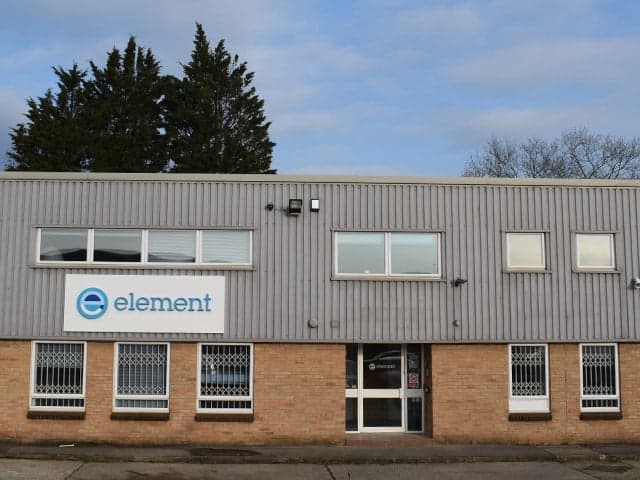
Element Oxford
Work with our specialists in DO-160 and MIL-STD-461 lighting effects testing, delivering qualified compliance solutions for aerospace, defence, and industrial products in Oxford.
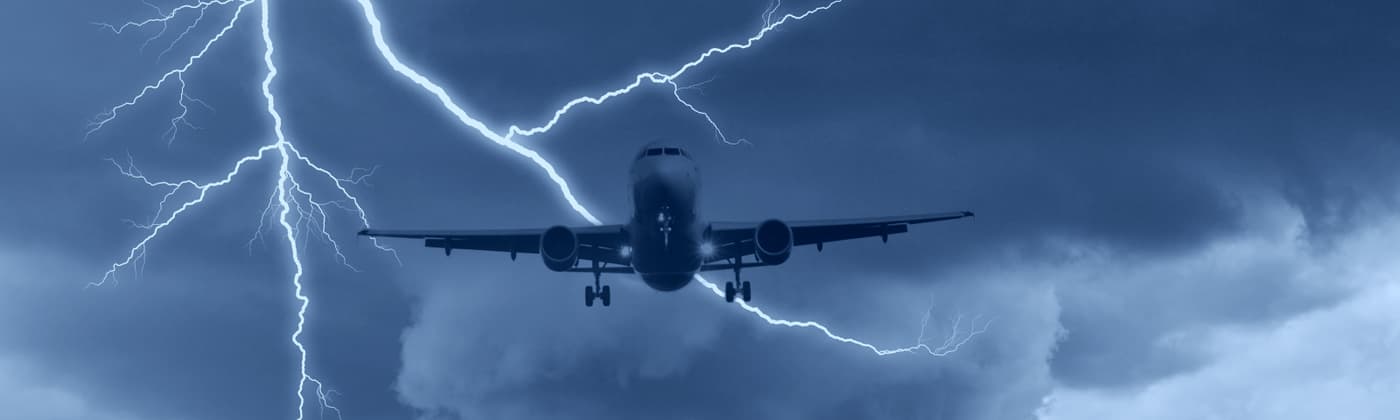
Aircraft Lightning Strike Testing
Our lightning protection testing services help ensure that, in the event of a direct strike, your electronics, equipment and materials continue to perform without failure.