

Temperature Monitoring Device Clinical Validation Testing
Navigate complex regulatory requirements with Temperature Monitoring Device Clinical Validation Testing services. Our comprehensive testing supports both direct and adjusted mode devices, while our consultative experts work alongside you and the FDA to establish clear study plans that expedite your path to market. As an extension of your team, we deliver end-to-end testing solutions for successful regulatory submission.
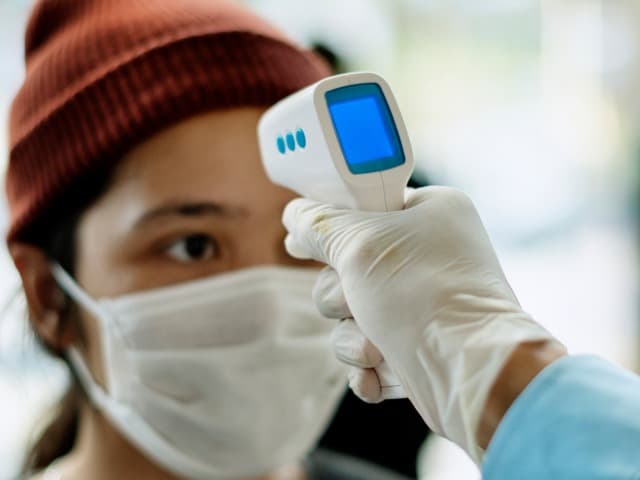
What is Temperature Monitoring Device Clinical Validation Testing at Element?
Regulatory agencies, including the FDA, require temperature monitoring device accuracy to be tested in humans and through temperature reference simulators such as heated water baths or black body devices. At Element, we provide comprehensive clinical validation testing for both direct measurement devices that measure skin temperature by contact and adjusted mode devices that calculate temperature using algorithms. Our testing follows established standards to ensure your device meets all regulatory requirements.
What Can Element Offer You For Temperature Monitoring Device Clinical Validation Testing?

Products we test
Products we test
At Element, we test direct measurement devices that measure skin temperature by contact and adjusted mode devices that calculate temperature using algorithms to represent temperature at different body measurement sites. Our testing covers vital signs monitoring equipment used in healthcare settings, temperature sensors integrated into wearable technology like smartwatches, and devices for continuous monitoring during critical illnesses.
Key tests offered
Key tests offered
- Clinical validation studies in humans
- NIST-traceable temperature fluid bath testing
- Temperature reference simulator testing
- Bench testing across the claimed range
- Algorithm validation for adjusted mode devices
Methods and solutions offered
Methods and solutions offered
Temperature Monitoring Device Bench Testing:
We use a NIST-traceable temperature fluid bath to compare the device’s readings against accurate reference values, as per ISO 80601-2-56. Values are then collected over the entire claimed range to ensure compliance with the ISO standard.
Comprehensive Study Support:
Our team will handle every aspect of your study, including:
- Protocol design
- IRB submission and management
- Subject recruitment and payment
- Data analysis
- High-quality data packages for regulatory submission
Cutting-edge equipment we use
Cutting-edge equipment we use
We utilize NIST-traceable temperature fluid baths for comparing device readings against accurate reference values, as required by ISO standards.
Which labs offer this service
Which labs offer this service
Element Boulder specializes in clinical validation testing for medical devices and wearables. For more than three decades, we have proudly served as the premier clinical testing and regulatory validation partner to the medical device, wearables and consumer electronic industries.
Standards we test to and products we test
- ISO 80601-2-56 – Medical electrical equipment – Part 2-56: Particular requirements for basic safety and essential performance of clinical thermometers for body temperature measurement
- ASTM E1112 – Standard Specification for Electronic Thermometer for Intermittent Determination of Patient Temperature
- Direct measurement temperature monitoring devices
- Adjusted mode temperature monitoring devices
- Smartwatch temperature sensors
- Medical monitoring devices
- Healthcare temperature devices
Your Challenges, Our Solutions

Unclear regulatory pathways
Managing multiple testing partners
Navigating complex submission process
Understanding next steps in validation process
Why Choose Element

Proven industry experience
Successful track record
Complete testing solution
Proprietary methods
Related services
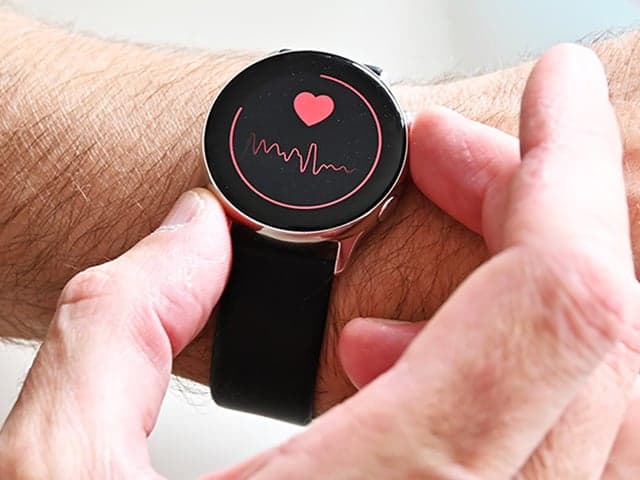
Clinical Validation Testing
Element delivers comprehensive clinical validation testing for medical devices and wearables, managing study design, recruitment, testing, and data analysis. Our complete solutions help overcome regulatory challenges and accelerate product development.
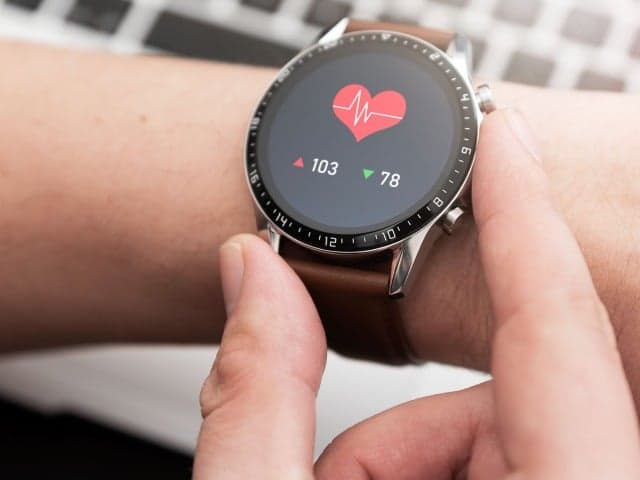
Heart Rate Monitor Device Validation
Element provides clinical validation testing for heart rate monitors using human and simulator data, meeting regulatory standards while delivering accurate performance. Their expert guidance addresses key accuracy challenges.
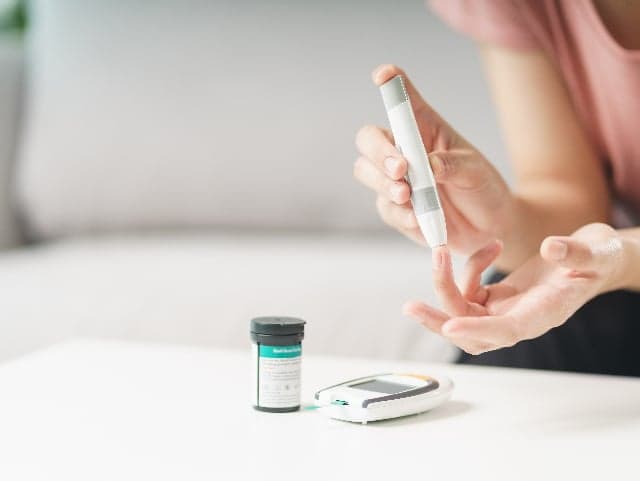
Human Factors and Usability Testing
Element's human factors and usability testing simulates real-world device use to reveal user errors and optimize performance. The service supports FDA guidelines and enhances overall device safety and effectiveness.
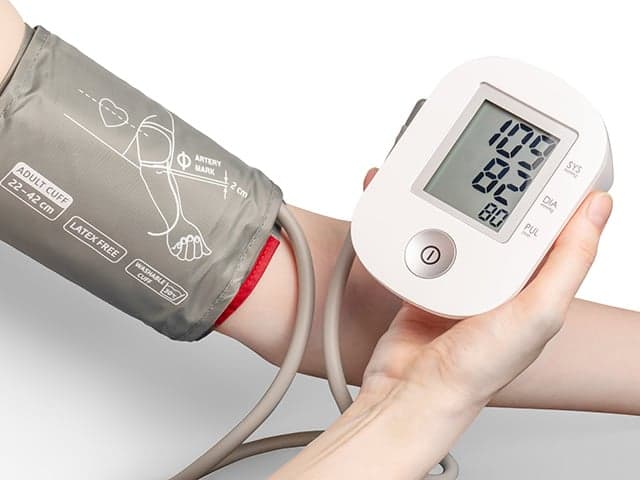
Blood Pressure Monitor Clinical Validation Testing
Element provides comprehensive blood pressure monitor clinical validation testing—from protocol design and participant recruitment to data analysis—leveraging invasive and non-invasive methods to overcome regulatory challenges and deliver precise device performance.
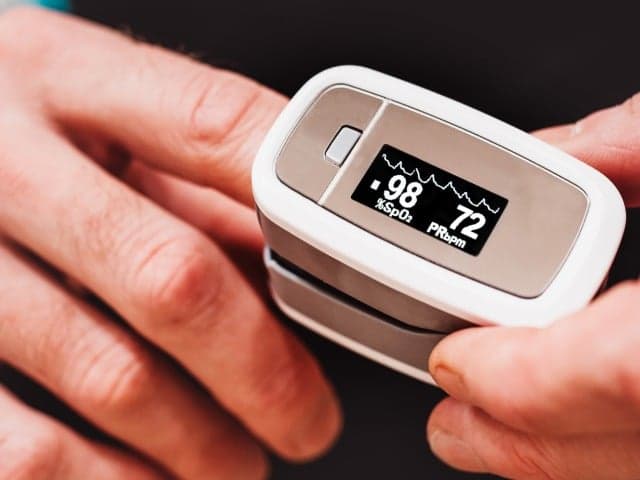
Pulse Oximeter Validation Testing
Element's pulse oximeter clinical validation service provides comprehensive human testing that delivers real-world, high-quality data to support regulatory submissions and significantly optimize device performance across diverse clinical settings with precision.
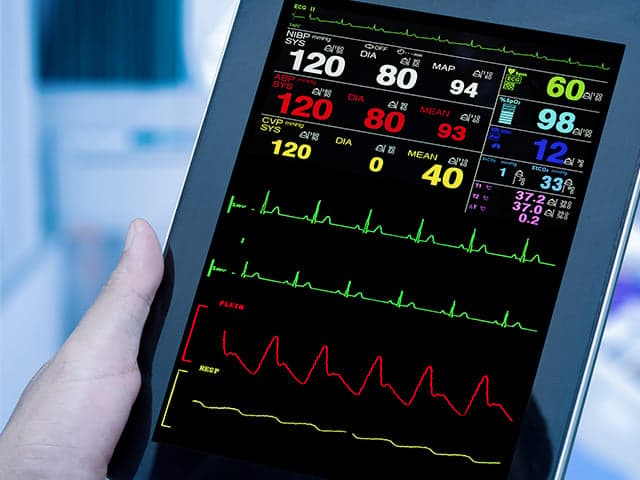
Respiratory Rate Monitor Clinical Validation Testing
Element offers expert-led respiratory rate monitor clinical validation testing, covering protocol design, participant recruitment, and regulatory-ready reports for streamlined submissions.

Sleep Monitoring Device Validation
Element provides clinical validation testing for sleep monitoring devices, supporting regulatory submissions and optimising device safety through expert-led data analysis and participant studies.