

Mechanical Testing at Cryogenic Temperatures
Validate materials for cryogenic conditions down to 4 Kelvin with our hands-on mechanical testing. From ITER fusion components to aerospace and hydrogen systems, we provide end-to-end support, including design advice and advanced safety protocols. Partner with Element to reduce risk, optimize costs, and ensure your metals and composites maintain strength, ductility, and reliability in ultra-cold environments.
What is cryogenic testing at Element?
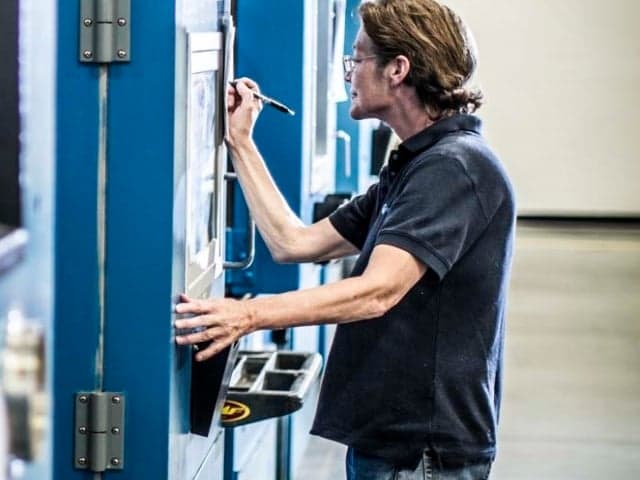
Cryogenic testing evaluates material performance in extreme low-temperature environments, typically below 120 Kelvin (-153°C), sometimes as low as 4 Kelvin (-269°C). At Element, we provide end-to-end mechanical testing—from tensile to fracture toughness—ensuring your materials retain elongation, yield, tensile strength, and ductility under ultra-cold conditions. Our nearly 190 years of testing heritage supports broad industry needs, from aerospace to hydrogen energy.
What can Element offer you for mechanical testing at cryogenic temperatures?
Key Tests Offered
Key Tests Offered
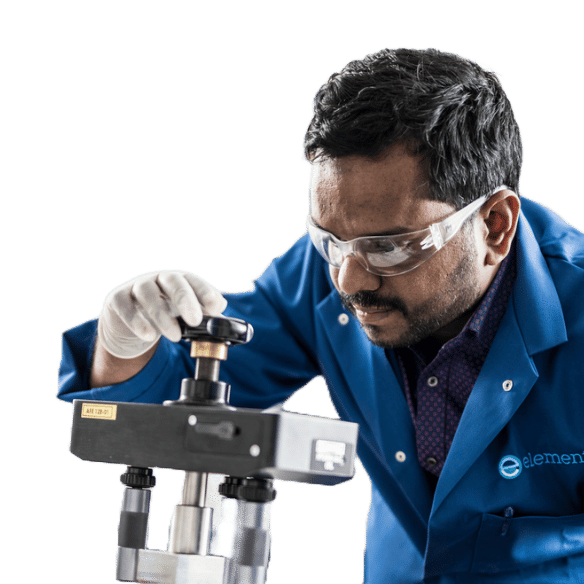
We offer a full range of mechanical testing services at cryogenic temperatures to verify reliability and optimize design. Our capabilities include:
- Fatigue Crack Growth Rate (FCGR)
- Surface Crack Tension (SCT)
Components And Products We Test
Components And Products We Test
From advanced aerospace materials to critical energy sector components, we serve a diverse range of industries requiring cryogenic validation. Our skillset spans metallic alloys to advanced composites, ensuring each material meets low temperature demands.
Methods And Solutions Offered
Methods And Solutions Offered
We provide synergy between digital engineering and physical testing, supporting:
- Specimen design & prototyping
- Test plan development
- Engineering analysis
- Fitness for Service (FFS) & Residual Life Assessments (RLA)
One real-world example is our participation in the International Thermonuclear Experimental Reactor (ITER) project—where for over nine years, we have delivered mechanical testing at cryogenic temperatures for nuclear fusion components, including tensile, impact, fracture mechanics, and fatigue growth testing.
Cutting-Edge Equipment We Use
Cutting-Edge Equipment We Use
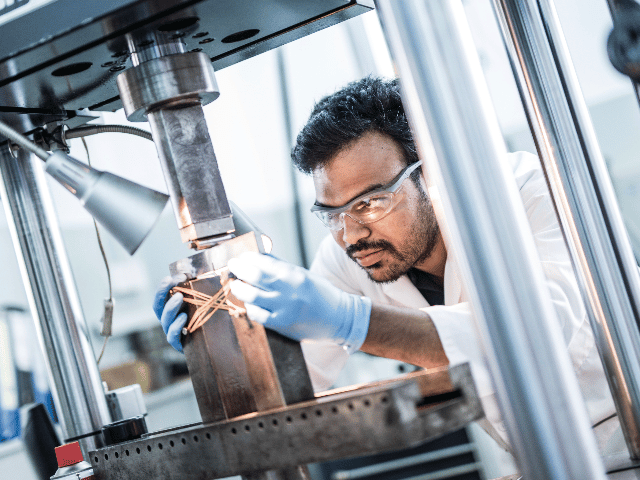
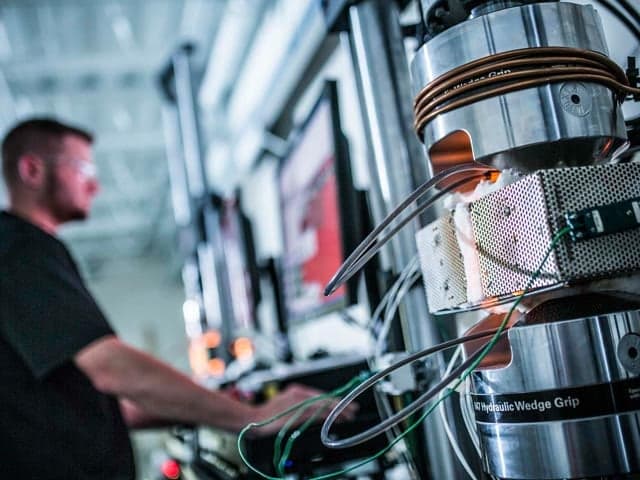
Our labs feature helium and liquid nitrogen cooling setups, enabling stable cryogenic environments down to 4 Kelvin. Advanced digital control systems oversee seat leakage, temperature, oxygen levels, and pressure—ensuring safe, precise testing:
- Helium-cooled cryogenic chambers for sub-5K testing
- Liquid nitrogen (LN2) cooling for standard cryogenic ranges
- High-precision monitoring systems for hazard-free test conditions
Which Labs Offer This Service
Which Labs Offer This Service
Our 8,500-strong team operates from Materials Testing hubs across the world, providing global access to our expert capabilities. Find your nearest Materials Testing hub on our Locations Page.
Environmental Impact & Safety
Environmental Impact & Safety
Cryogenic testing demands stringent safety protocols due to potential hazards like oxygen displacement. We maintain specialized testing areas with robust ventilation, protective gear, and advanced safety systems to minimize risk. By ensuring materials function reliably at ultra-low temperatures, we also reduce environmental impact, optimizing designs for efficient energy usage—particularly crucial in hydrogen, LNG, and other green energy applications.
Standards we test to and materials we test
- ASTM E1450 – Tension Testing of Structural Alloys in Liquid Helium
- JIS Z 2277 – Tensile Testing for Metallic Materials in Liquid Helium
- JIS Z 2283 – Low Cycle Fatigue Testing for Metallic Materials in Liquid Helium
- JIS Z 2284 – Elastic-Plastic Fracture Toughness in Liquid Helium
- ISO 6892-4 – Method of Testing in Liquid Helium
We tailor test methods to your dimensions, shapes, and conditions, advising on the most suitable specification for each project.
Metallic Materials:
-
- Austenitic stainless steels
- Steel alloys
- Aluminum alloys
- Al-Li alloys
Advanced Materials:
-
- Composites
- Custom materials requiring bespoke testing dimensions
Your Challenges, Our Solutions

Material Safety & Performance
Regulatory Compliance Complexity
Technical Testing Challenges
Cost & Operational Efficiency
Element Experts at your service

Why Choose Element

Ultra-Low Temperature Capability
Proven Nuclear Expertise
Comprehensive Testing Solutions
Advanced Safety Systems
4 KelvinLowest testing temperature capability.
9 YearsSupporting the ITER nuclear fusion project
8,500Testing experts around the world
Frequently asked questions
What temperature ranges can you test at?
We handle everything from standard cryogenic (120K) to ultra-low temps near 4K with helium or LN2 cooling.
What types of assessments do you offer?
We perform Fitness for Service (FFS) and Residual Life Assessments (RLA) for equipment operating at cryogenic levels, invaluable in oil & gas, power generation, or chemical processing.
Can you work with custom test specifications?
Yes. We follow recognized standards but adapt to bespoke shapes, dimensions, or test conditions. Our experts guide you to the most suitable spec.
Which sectors typically need cryogenic testing?
Aerospace, energy (oil, gas, hydrogen), nuclear research (ITER), medical, chemical processing—any sector requiring low temperature materials testing.

Explore our global network of labs and find your nearest location
VIEW ALL LOCATIONSRelated services
Mechanical Testing Services
Element provides fast, precise mechanical testing services for metals, polymers, and composites, helping industries meet compliance standards and optimize material performance with expert-driven assessments.
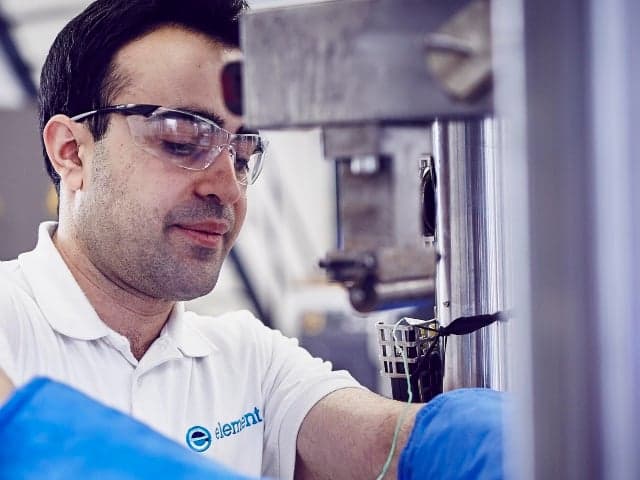
Fracture Mechanics and Fracture Toughness Testing
Element provides fracture mechanics and fracture toughness testing services to evaluate material resistance, reduce repair costs, and optimize designs for safer, longer-lasting components across industries.
Thermal Testing Methods
Element offers advanced thermal testing to evaluate material performance, durability, and safety in extreme temperatures. Our testing services help businesses develop heat-resistant products and confirm compliance with industry standards.