

Alkylated PAH Testing: What Standard PAH Analysis Misses at Petroleum-Impacted Sites

Standard PAH analysis frameworks cover well-characterized parent compounds, but at petroleum-impacted sites, alkylated homologues frequently dominate in both concentration and persistence. Because these compounds fall outside CCME and EPA regulatory frameworks, standard analysis can substantially underestimate contamination, complicate source attribution, and weaken the evidence base for remediation and regulatory decisions. Drawing on alkylated PAH analysis conducted at Element Calgary, this article examines what standard frameworks miss and where that gap matters most.
Why Standard PAH Analysis Misses Petroleum Contamination
Polycyclic aromatic hydrocarbons are a class of fused-ring organic compounds monitored in environmental media for decades, forming the foundation of regulatory frameworks in both Canada and the United States. The CCME's 13 priority PAHs and the EPA's 16 priority pollutants cover well-characterized parent structures, including naphthalene, phenanthrene, and fluoranthene, with established toxicological profiles and regulatory thresholds.
Alkylated PAHs are structurally related compounds formed when one or more alkyl groups attach to these parent ring systems, producing homologue series designated C0 through C4 based on degree of substitution. C0 corresponds to the unmodified parent compound; each successive designation carries progressively more alkyl substitution at various ring positions, creating large families of structurally similar but analytically distinct compounds that standard methods do not measure.
The difference has direct practical consequences. Alkylated homologues are generally more resistant to the microbial breakdown and photolysis pathways that degrade parent compounds, so they persist longer in soils, sediments, and groundwater. At petroleum-impacted sites involving crude oil releases, refined product spills, or oil sands operations, alkylated homologues frequently dominate the total PAH load, often at concentrations substantially higher than parent compounds. As a site ages and weathering degrades the more susceptible parent compounds, the alkylated forms become an increasingly large proportion of what remains.
What Is the Difference Between Petrogenic and Pyrogenic PAH Sources?
Understanding why the regulatory gap matters requires understanding where different PAH profiles come from. The CCME and EPA frameworks were developed primarily around parent compounds for defensible reasons: these compounds are well-characterized, reference standards exist, and their toxicological profiles are established in the scientific literature. For pyrogenic contamination, meaning combustion-derived PAHs from sources like coal tar, vehicle exhaust, or industrial burning, parent compound analysis captures the major constituents of concern reasonably well.
The gap emerges at petrogenic sites. Petroleum and oil-derived contamination produces PAH profiles dominated by alkylated homologues, and because these compounds are not covered by standard frameworks, analysis limited to parent compounds can substantially underestimate the actual PAH burden. A 2021 study published in Science of the Total Environment found that alkylated PAHs significantly increase total measured PAH load beyond what parent-only methods detect. A review of fossil fuel pollution markers published via the Government of Canada's ECCC Open Science and Data Platform identified alkyl-PAHs as the predominant species across petroleum-impacted sites. A site investigation relying solely on the standard 13 or 16 compounds may be measuring the portion of the contamination profile that is least representative of actual conditions.
What Are the Risks of Parent-Only PAH Analysis at Petroleum Sites?
At petroleum-impacted sites, particularly where contamination has weathered over time, alkylated homologues may be the dominant compounds present, yet they go entirely undetected by standard methods. A site that appears relatively uncontaminated on parent PAH results can carry a substantial alkylated PAH burden that never shows up in the data.
Source identification is affected in parallel. The distribution of C0 through C4 homologues serves as a chemical fingerprint distinguishing petrogenic sources from pyrogenic sources and natural background PAHs. That fingerprinting depends on measuring the full homologue series, and without it, separating a petroleum release from combustion-derived background PAHs becomes analytically difficult. At multi-source sites where liability allocation is at issue, parent-only data may not support the conclusions the investigation needs to reach.
Remediation planning is affected as well. Because alkylated PAHs resist the same degradation pathways that reduce parent compound concentrations, contamination can persist long after parent PAH levels have declined. We increasingly see sites that appear resolved on standard results may still carry alkylated PAH residues representing ongoing exposure, and closure decisions built on incomplete data carry the risk of premature sign-off.
The evidentiary implications compound over time. Regulatory submissions, natural resource damage assessments, site closure applications, and litigation increasingly require homologue distribution patterns, parent-to-alkyl ratios, and weathering indicators that parent-only data cannot provide. Where only standard results exist, the analytical record may not support the technical arguments those proceedings require.
When Is Alkylated PAH Testing Recommended?
Expanded alkylated PAH testing is not necessary for every site investigation, but several site types benefit most from it. Aged spill sites, where weathering has shifted the residual PAH profile toward more persistent alkylated forms, present the clearest case: parent PAH results at these sites may no longer reflect actual contamination levels or risk. Former refineries, pipelines, and oil sands operations present similar conditions, where alkylated forms dominated the original contamination profile, and historical operations may have created residues that vary by depth and age.
Sediment cores and soil profiles used for historical deposition studies benefit from expanded analysis because the ratio of parent to alkylated PAHs at different depths can provide information about the timing and character of contamination events. Multi-source sites, where both petrogenic and pyrogenic contributions may be present, require homologue distribution data to support credible source allocation.
Sampling Considerations for Alkylated PAH Analysis
Because alkylated PAHs tend to concentrate in fine-grained sediments and soils, sampling should prioritize those matrices and include replicates from areas of highest expected concentration or variability. Background samples from unimpacted areas with comparable geology are important for distinguishing naturally occurring PAHs from petroleum-derived contamination; without that baseline, interpretation of site results is harder to defend. We have found that in high-organic matrices, it is worth confirming method validation for the specific soil or sediment type with the laboratory before submitting samples, as matrix interferences can affect analytical accuracy.
Health and Environmental Considerations
Several parent PAHs are classified by the US EPA and the International Agency for Research on Cancer as known, probable, or possible human carcinogens, with chronic exposure associated with genotoxicity, reproductive impacts, immune suppression, and developmental effects. Both parent and alkylated PAHs bioaccumulate in aquatic organisms and transfer through food webs, with implications for ecosystem health beyond the immediate site.
Alkylated PAHs occur at higher concentrations at petroleum-impacted sites than parent compounds, and while individual toxicological profiles for alkylated homologues are less comprehensively established, research indicates they contribute to overall site toxicity. The CCME's current soil and water quality guidelines include thresholds for the 13 priority parent PAHs but do not explicitly cover alkylated homologues, a gap that researchers and regulators have noted.
Getting a Complete Picture of PAH Contamination at Petroleum Sites
At petroleum-impacted sites, the compounds that dominate contamination are frequently not the ones standard regulatory frameworks require laboratories to measure. Alkylated PAH homologues are more persistent, often present at higher concentrations, and carry consequences for source attribution, remediation planning, and regulatory defensibility that parent-only analysis cannot address.
Expanded alkylated PAH testing, using validated GC-MS/MS methods with reporting that includes homologue distribution patterns and source differentiation indicators, provides a more complete picture of what is present at a site and what it means for long-term risk.
At Element's Calgary laboratory, we frequently work with clients who encounter these situations and have seen how the right analytical scope impacts outcomes at each stage. The infographic below distills key considerations for practitioners making scope decisions, including the regulatory gap, risks of parent-only analysis, and where expanded testing is most relevant.
To discuss whether expanded analysis is appropriate for an upcoming project, contact our team.
Download the infographic, a one-page reference covering the gap in standard PAH frameworks, four risks of parent-only analysis, and key site types where expanded testing adds the most value.
By Engaged Expert

Related Industries
Related Services
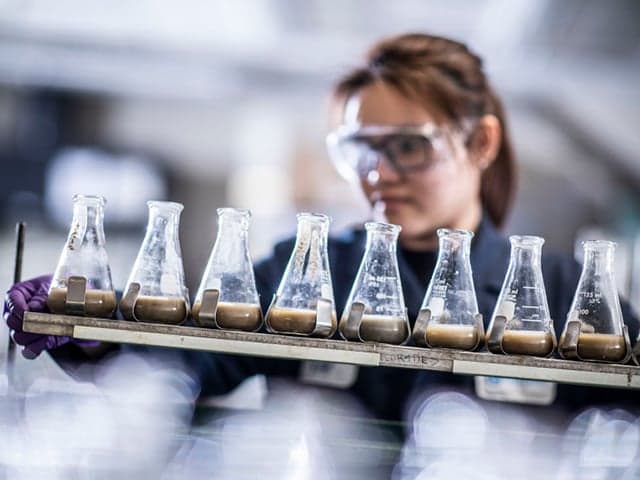
Environmental Testing Services
Our experts and network of accredited laboratories offer environmental testing services for water, soil, sediments, waste, air quality, emissions and more. Learn More.
Total Petroleum Hydrocarbon and Organic Pollutants Testing Services
Element's Total Petroleum Hydrocarbon and Organic Pollutants Testing Services offer comprehensive analysis to meet regulatory compliance. With advanced GC-FID, GC-MS, and open scan technology, we identify contaminants, protect human health, and support environmental safety through fast, accurate testing.
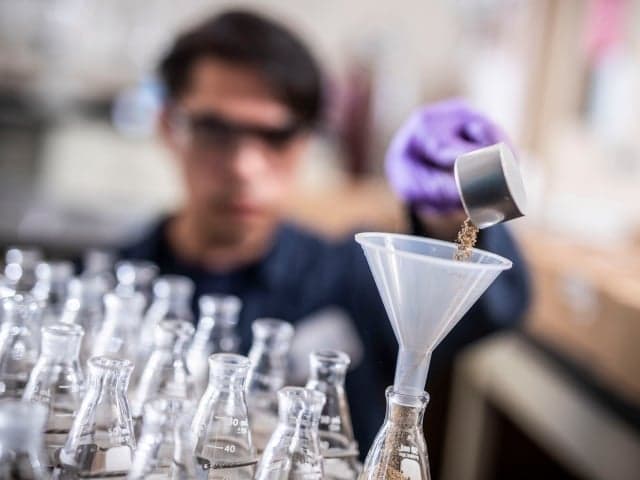
Hydrocarbon Testing
Need reliable hydrocarbon testing? Element delivers precise analysis of water and soil samples to ensure regulatory compliance and prevent environmental issues. Our advanced labs provide fast, accurate results for all your testing needs.