

From refrigerant leaks to root cause – How Element investigated critical HVAC failure from ant nest corrosion

This article explains how Element investigated a refrigerant leak in an HVAC unit caused by ant nest corrosion in a copper heat exchanger with painted aluminum fins. Using SEM, microstructure, and chemical analyses (OES, ICP-OES, IR, ion chromatography), Element identified the corrosion’s root cause, enabling targeted corrective actions to prevent recurrence.
Background
One of our customers in the Heating, Ventilation and Air Conditioning (HVAC) industry recently noticed a leakage of the refrigerant liquid inside a refrigeration unit. Element was engaged to identify the source of the problem and assess the extent of the damage. During the examination, we discovered that the micro leak was in one of the finned tubes of the heat exchanger pack, which was made of copper with painted aluminum fins.
The challenge
Very early in the examination process, Element’s experts in damage analysis suspected a case of ant nest corrosion - one of the most critical issues that can be found in copper alloys, which are widely used in the HVAC sector. This phenomenon is characterized by interconnected micro-cavities with compact copper oxide inside, resembling the structure of an ant nest.
Ant nest corrosion is triggered by the chemical reaction of an organic acid (present inside the pressurized system or in the external air) with oxygen and water. A frequent cause of this type of corrosion is the presence of substances that derive from the use of synthetic lubricants or organic products used during the forming and bending phases of copper pipes. Over time, these substances seriously compromise the characteristics of the base material.
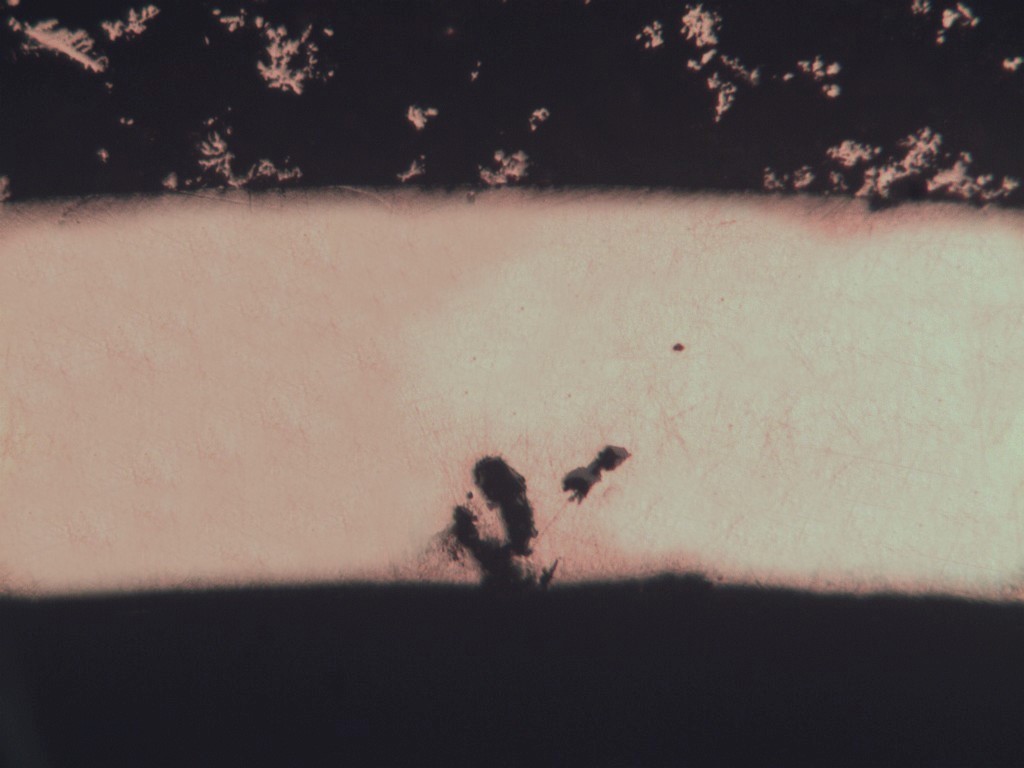
Figure 1: Scanning electron microscope image of “ant nest corrosion” in a refrigeration circuit.
The solution
Thanks to our specialized technicians, Element has a high degree of expertise in the HVAC sector and a consolidated track record of cases that constitute a solid background in the interpretation of defects and the definition of root causes. To thoroughly evaluate the failure, Element performed the following activities:
- Macrographic examinations to determine the penetration of the brazing alloy.
- Micrographic examinations to evaluate the microstructure of the materials used and identify any defects or criticalities from which the component may be affected.
- Microanalysis by Scanning Electron Microscope (SEM) with EDS microprobe to identify potentially aggressive elements.
- Chemical analysis utilizing multiple methods:
- Optical Emission Spectrometer (OES)
- Combustion analysis (for determining C, S, N, H, and O)
- IR spectrophotometer
- Ion chromatography
- These analyses verified whether the chemical composition of the materials used was acceptable according to international standards and whether the process liquids complied with what was declared in the technical data sheets.
The result
Through our in-depth failure analysis process, we were able to identify the exact cause of the HVAC failure that led to the puncture of the component and the consequent leakage of coolant inside the refrigerant circuits. The client was able to take corrective action based on our findings and eliminate the source of the failure, preventing future recurrence.
Why Choose Element
HVAC Sector Specialists
End-to-end testing Capabilities
Root Cause Expertise
Globally Trusted Partner
Related Services

Scanning Electron Microscopy (SEM) with EDX Analysis
Scanning Electron Microscopy (SEM) and EDX analysis provide high-resolution imaging and elemental composition insights to detect surface defects, contaminants, and material properties, supporting manufacturers with detailed material evaluations.

ICP Analysis Services
Element's ICP analysis services deliver precise, reliable results for trace element detection across industries. Advanced ICP-MS, ICP-OES, and ICP-AES testing solutions tailored to your needs. Leatn More.

Ion Chromatography (IC) Testing for Electronics
Prevent electronic component failures with Element's precise ion chromatography testing. Get detailed ionic contamination analysis for printed circuit boards.

HVAC Appliance Testing
Element provides expert HVAC appliance testing to enhance efficiency, meet industry standards, and improve indoor air quality. Our accredited lab offers detailed assessments for gas and electric systems.