

Hydrostatic Pressure Testing to ISO 9080 and ASTM D2837
Get independent, accurate data for your plastic pipe classifications through comprehensive pressure testing. From MRS classification to ISO 9080 to HDB classification to ASTM D2837, you'll receive precise results that validate your products and streamline your certification process.
What is Hydrostatic Pressure Testing at Element?
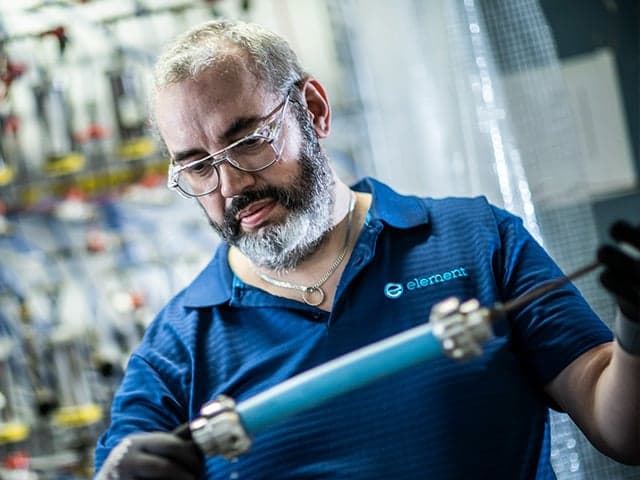
Hydrostatic pressure testing evaluates plastic pipes' long-term strength and performance by applying sustained internal pressure at controlled temperatures. This process generates creep rupture data that is statistically analyzed to determine the Minimum Required Strength (MRS) and Hydrostatic Design Basis (HDB) according to ISO 9080 and ASTM D2837 standards.
At Element, we provide hydrostatic pressure testing for resin manufacturers, pipe extruders, certification bodies, and utilities. Our advanced automated systems ensure precise, long-term testing across a temperature range of 20°C to 110°C, including full regression analysis to meet ASTM, ISO and PPI TR-3 standards.
What Can Element Offer You For ISO 9080 and ASTM D2837 Hydrostatic Pressure Testing?

Materials we test
Materials we test
We test a comprehensive range of thermoplastic materials to support accurate classification and performance evaluation across a wide variety of applications.
General Piping Applications:
- PE (Polyethylene)
- PP (Polypropylene)
- PVC (Polyvinyl Chloride)
Hot and Cold Water Systems:
- PB (Polybutene)
- PEX (Cross-linked Polyethylene)
- PE-RT (Polyethylene of Raised Temperature Resistance)
High-Performance / Specialized Applications:
- PSu (Polysulfone)
- PA (Polyamide)
Key tests offered
Key tests offered
- ISO 9080 (MRS) Testing: Determines the Minimum Required Strength (MRS) of plastic pipes based on long-term hydrostatic strength at 20°C and 50 years.
- ASTM D2837 / PPI TR-3 (HDB) Testing: Classifies plastic pipes based on their Hydrostatic Design Basis (HDB) using long-term hydrostatic strength at 73°F (23°C) for 100,000 hours.
- Temperature Variation Tests: Conducted at multiple temperatures, including 20°C, 60°C, and 80°C for cold water applications, and 20°C, 70°C, 95°C, and 110°C for hot water applications. This ensures your materials undergo testing for both cold and hot water systems if required.
Methods and solutions offered
Methods and solutions offered
At Element, we use advanced methodologies to deliver precise and reliable hydrostatic pressure testing.
Pipe specimens are subjected to constant internal pressure at specified temperatures for defined durations; failure times are recorded and statistically analyzed to generate regression curves, enabling accurate 50-year strength predictions and MRS/HDB classification.
- Robot Cell Technology: High-precision robotic systems measure pipe wall thickness with great accuracy, ensuring proper classification.
- Automated Measuring with Computed Radiography: This system streamlines the testing process, reducing human error and enhancing consistency in data collection.
- Comprehensive Regression Analysis: Post-test regression analysis evaluates the long-term hydrostatic strength of pipes, providing data necessary for ISO 9080 (MRS) and ASTM D2837 (HDB) classifications.
Cutting-edge equipment we use
Cutting-edge equipment we use
Our testing process is supported by state-of-the-art technology designed for accuracy and efficiency:
- High-Precision Robot Cell Technology: This approach provides precise measurements of pipe wall thickness, ensuring reliable test results.
- Computed Radiography: An automated system captures detailed data, reducing human error and enhancing the efficiency of your test programs.
- Sophisticated Regression Analysis Tools: These advanced software applications analyze test data, guaranteeing accurate and reproducible classification results.
Which labs offer this service
Which labs offer this service
Standards we meet and the materials we test
- ISO 9080
- ASTM D2837
- PPI TR-3
Thermoplastics, including:
- PE (Polyethylene)
- PP (Polypropylene)
- PB (Polybutene)
- PEX (Cross-linked Polyethylene)
- PE-RT (Polyethylene of Raised Temperature Resistance)
- PVC (Polyvinyl Chloride)
- PSu (Polysulfone)
- PA (Polyamide)
Your Challenges, Our Solutions
Confidence in Independent testing
Maximising Long-term performance
Simplifying standards compliance
Precision Across Temperature Testing
Why Choose Element
Unmatched Precision & Automation
Wide Material Expertise
Full Regulatory Compliance
Fast & Reliable Results
Frequently asked questions
Why are ISO 9080 and ASTM D2837 important for plastic pipe certification?
These standards provide a validated methodology for extrapolating long-term pipe performance from controlled laboratory testing. Results support pressure class ratings, regulatory approvals, and compliance with downstream piping system standards such as ASTM D3035, AWWA, and ISO pipe specifications used in water, gas, and industrial applications. Certification to these standards is often a prerequisite for product qualification and market access.
But don't just take our word for it
See what others have to say about partnering with Element
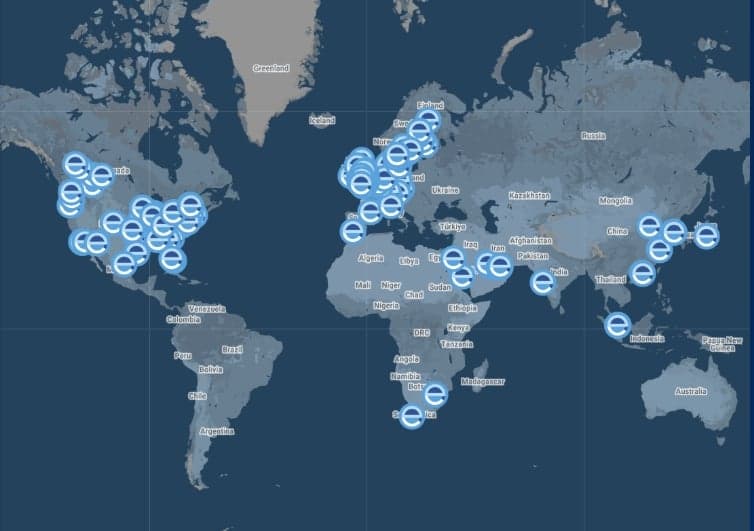
Explore our global network of labs and find your nearest location
VIEW ALL LOCATIONSRelated services
Plastic Pipes and Fittings Testing
Get ISO/IEC 17025 accredited plastic pipes testing with Element's 5,000 test stations. Independent lab services for hydrostatic pressure, crack propagation & lifetime evaluation. Trusted by global manufacturers.
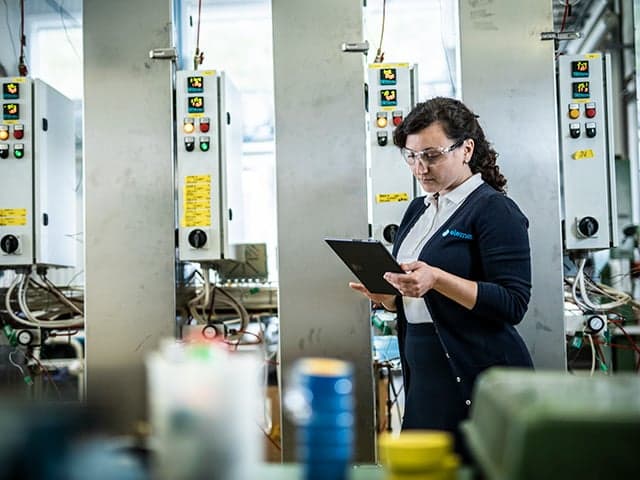
Chlorine Resistance Testing to ASTM F2023, ASTM F2263 and ASTM F3497-21
Element provides independent chlorine resistance testing for plastic pipes using ASTM standards. The service evaluates oxidative resistance under accelerated conditions, delivering reproducible data for product classification and lifetime durability analysis.
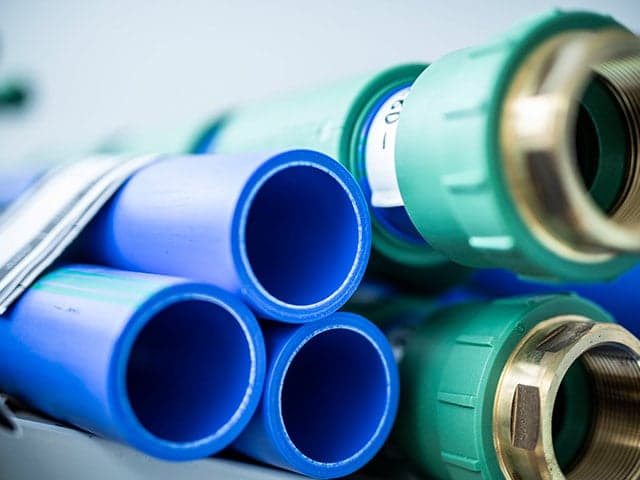
High Flow Circulation Loop Testing Services
Element provides high-flow circulation pipe testing to resign manufacturers, pipe extruders, certification bodies and utility companies worldwide.
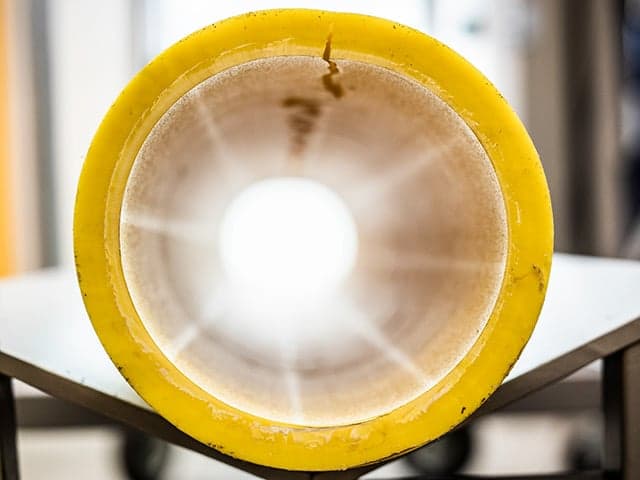
Rapid Crack Propagation Test – S4 Test – to ISO 13477
Our rapid crack propagation test per ISO 13477 delivers reliable, independent data for evaluating PE and thermoplastic pipes under sub-zero conditions, assisting stakeholders in identifying performance risks and material weaknesses.
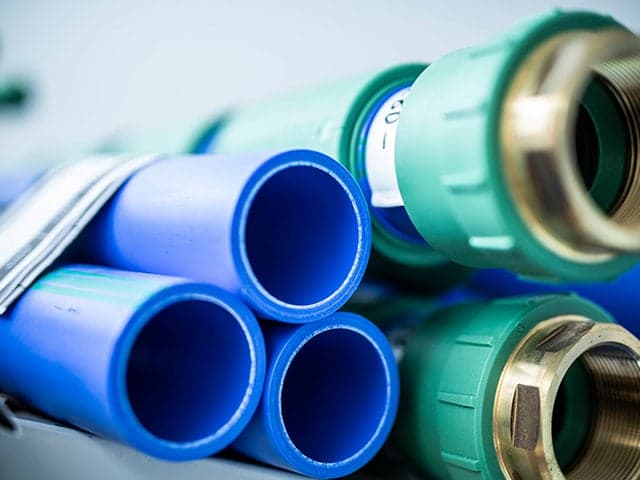
Slow Crack Growth Test to ISO 13479
Element's experts provide comprehensive slow crack growth testing to ISO 13479, ensuring the integrity of PE and PEX pipes in real-world applications.