Pressure Vessel and COPV Testing
Element helps you qualify COPVs and pressure vessels for demanding operational environments. From burst and proof testing to fatigue and cyclic pressure evaluation, Element delivers integrated testing solutions that reduce risk, support certification, and validate performance for aerospace, defense, and energy applications.
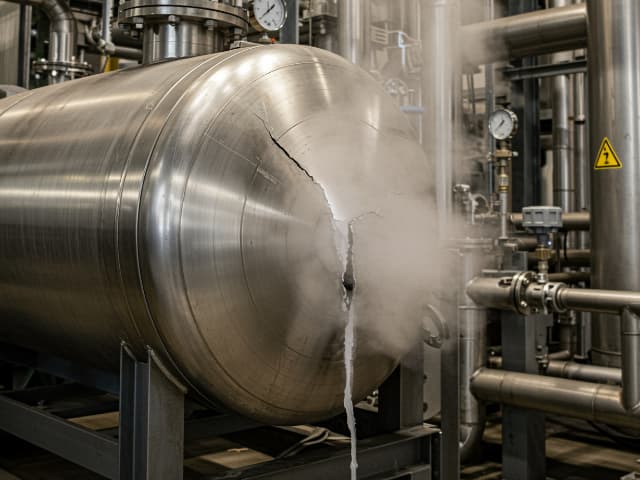
What is Pressure Vessel and COPV Testing at Element?
Pressure vessel and composite overwrapped pressure vessel (COPV) testing evaluates the structural integrity, durability, and safety of pressurized systems operating in demanding environments. These systems are commonly used in aerospace, defense, and energy applications. At Element, pressure vessel and COPV testing combines pressure, mechanical, and environmental testing capabilities to support development, qualification, certification, and failure analysis programs.
What Can Element Offer You For Pressure Vessel and COPV Testing?

Key tests offered
Key tests offered
Element performs hydrostatic and pneumatic pressure testing, burst and proof pressure testing, fatigue and cyclic pressure testing, leak testing, and structural integrity evaluations. These comprehensive tests validate vessel performance under operational and extreme conditions, supporting development and qualification programs for aerospace, defense, and energy applications.
- Burst testing
- Proof pressure testing
- Cyclic fatigue testing
- Leak testing
- Pressure decay testing
- Stress rupture evaluation
Components and materials we test
Components and materials we test
Element tests composite overwrapped pressure vessels (COPVs), metallic pressure vessels, fuel and propellant tanks, accumulators, and pressurized assemblies used in aerospace, defense, and energy applications. Materials tested include carbon fiber composites, aluminum, titanium, polymers, and high-strength alloys designed for high-pressure environments.
Methods and solutions offered
Methods and solutions offered
Element supports full lifecycle qualification programs from R&D through certification and failure analysis. Testing programs simulate operational conditions through pressure, fatigue, thermal, and mechanical loading scenarios to validate long-term durability and structural performance.
Cutting-edge equipment we use
Cutting-edge equipment we use
Element utilizes high-pressure test systems, large-scale test rigs, and environmental chambers capable of evaluating pressurized systems under operational and extreme loading conditions.
Standards we test to and Components we test
Aerospace & Space Standards
- ANSI/AIAA S-081B-2018 – Space Systems: Composite Overwrapped Pressure Vessels
- ANSI/AIAA S-080A-2018 – Space Systems: Metallic Pressure Vessels
- ISO 14623 – Space Systems: Pressure Vessels and Pressurized Structures
- NASA-STD-6016 – Standard Materials and Processes Requirements for Spacecraft
- MIL-STD-810 – Environmental Engineering Considerations
Pressure Vessel Standards
- ASME Boiler & Pressure Vessel Code (BPVC)
- ISO 11119 – Gas Cylinders: Composite Cylinders
- DOT / CFR Title 49
- API 510 – Pressure Vessel Inspection Code
ASTM Standards
- ASTM D1599
- ASTM D2992
Pressure Vessels
- Composite overwrapped pressure vessels (COPVs)
- Metallic pressure vessels
- Fuel tanks
- Propellant tanks
- Gas cylinders
Pressurized Systems
- Accumulators
- Tubing and piping systems
- Pressurized assemblies
- Valves and fittings
Your Challenges, Our Solutions
Prevent catastrophic failure
Meet strict requirements
Validate long-term durability
Reduce testing delays
Why Choose Element
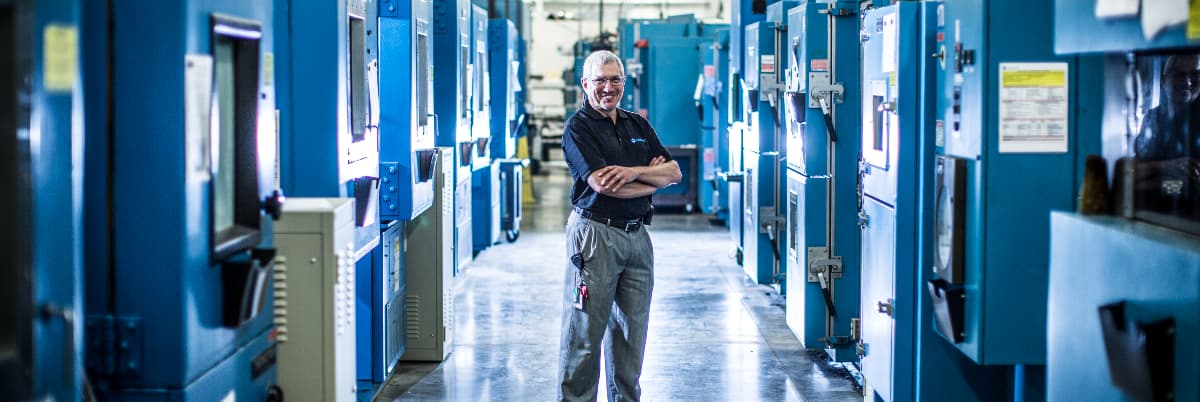
Aerospace-focused expertise
Integrated testing solutions
Global testing network
Trusted risk reduction
Frequently asked questions
When should a pressure vessel undergo qualification testing?
Pressure vessel qualification testing should be conducted during product development, prior to certification, after significant design changes, or when required by customer, industry, or regulatory standards. Qualification testing helps demonstrate that the vessel can safely perform under expected operating conditions.
What is the difference between proof testing and burst testing?
Proof testing verifies that a pressure vessel can safely withstand a specified pressure without permanent deformation or failure. Burst testing increases pressure until the vessel fails, providing data on ultimate strength and safety margins.
Why are COPVs used instead of traditional metallic pressure vessels?
COPVs offer a high strength-to-weight ratio, making them ideal for applications where weight reduction is critical, such as aerospace, defense, and space systems. Their lightweight construction can improve efficiency while maintaining pressure containment performance.
What factors can affect the lifespan of a pressure vessel?
Pressure cycling, operating pressure, temperature exposure, material properties, manufacturing quality, and environmental conditions can all influence pressure vessel longevity. Testing helps identify potential failure mechanisms before they impact performance.
Can pressure vessel testing be customized to unique operating requirements?
Yes. Testing programs can be tailored to simulate customer-specific operating environments, loading conditions, pressure cycles, and performance requirements to generate meaningful qualification data.
What information is needed before starting a pressure vessel test program?
Typical requirements include engineering drawings, material specifications, operating pressure ranges, design requirements, applicable standards, and intended service conditions. This information helps develop an appropriate test plan.
How does pressure vessel testing support risk reduction?
Testing identifies design weaknesses, manufacturing defects, and potential failure modes before a product enters service. Early identification of issues can reduce costly redesigns, delays, and field failures.
What industries commonly require COPV testing?
COPV testing is commonly used in aerospace, space exploration, defense, energy, and advanced transportation applications where lightweight, high-pressure storage systems are required.
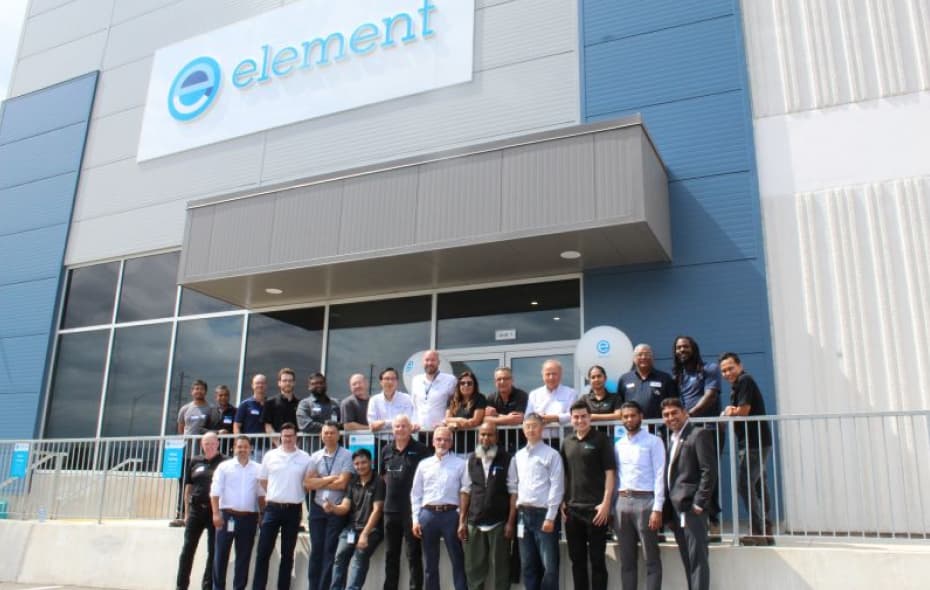
Global expertise
Working with Element, you have access to our global network of materials testing and product qualification test experts. Meet our Engaged Experts.
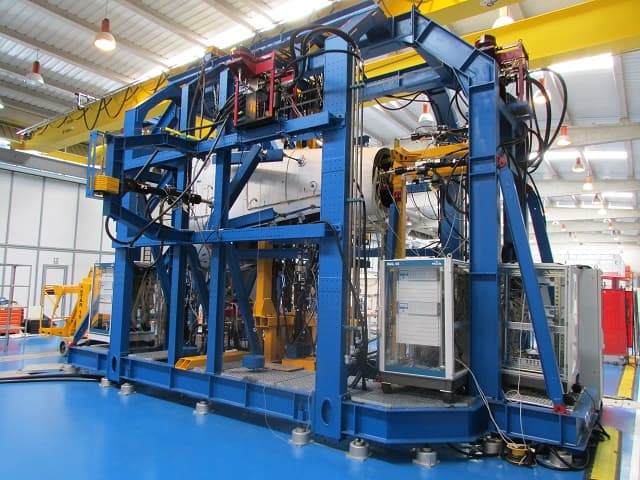
Aircraft Structural Testing
Learn how our Aircraft Structural Testing services can help enhance your aerospace structure safety, durability and provide a competitive market edge. From defect detection to design support, reach market faster and more safely.
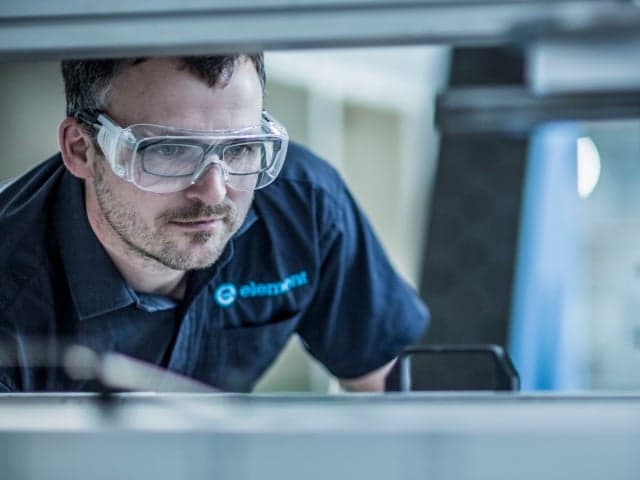
Pressure Testing Services
Element's experts provide both hydrostatic and pneumatic pressure tests to evaluate the integrity of a variety of vessels, components, and systems.
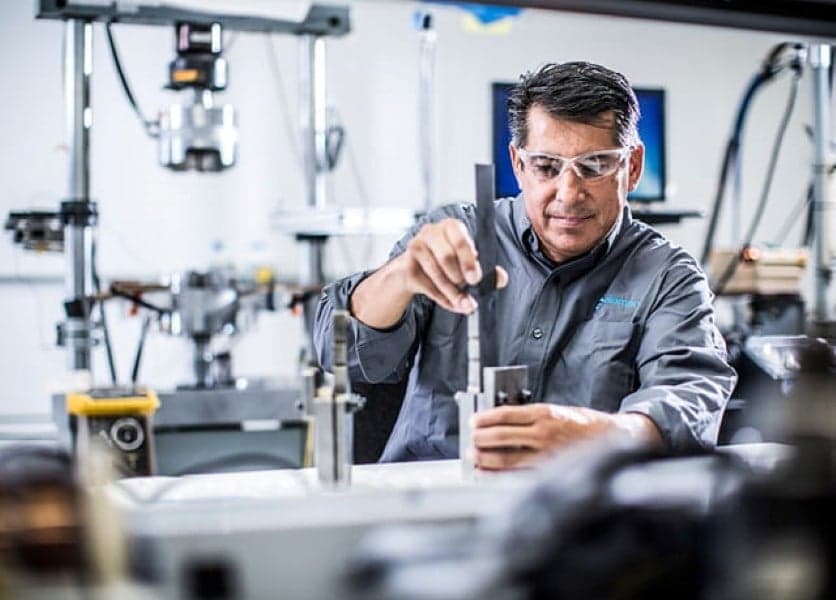
Aerospace Composite Testing
Element provides testing in accordance with ASTM standards for polymer matrix composites and fiber-reinforced composite materials, for aerospace applications. Learn more about how our experts can assist your next project.
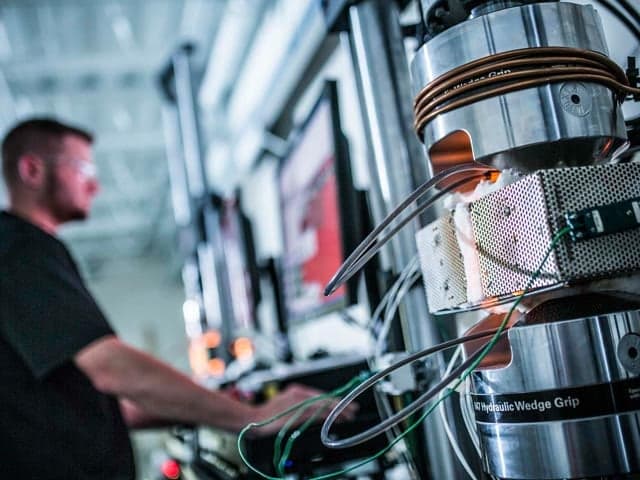
Mechanical Testing Services
Element provides fast, precise mechanical testing services for metals, polymers, and composites, helping industries meet compliance standards and optimize material performance with expert-driven assessments.
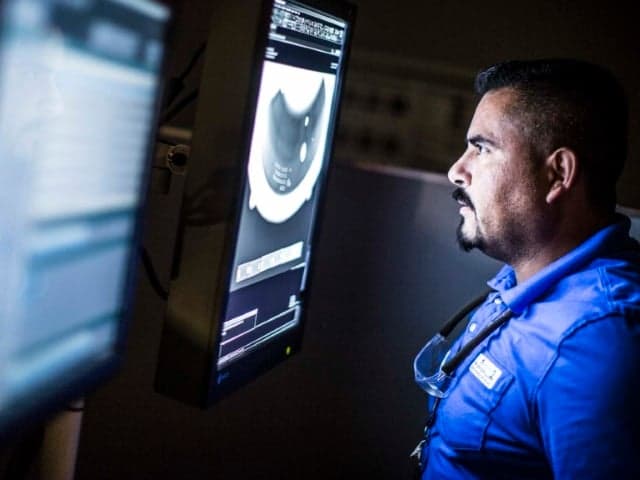
Failure Analysis Services
Need expert Failure Analysis Services? Identify root causes fast with Element's advanced testing, global reach, and rapid turnaround. Get expert insights today.

Space Simulation Services
NASA-awarded space simulation testing for aerospace components. Expert thermal vacuum chambers, EMC testing, and custom solutions that ensure compliance and on-time delivery.