Wi-Fi Alliance® Certification
Get your Wi-Fi-enabled products to market faster with Element's Wi-Fi Alliance® Authorized Test Laboratory (ATL) services. Element is the only Wi-Fi Alliance® ATL in North America, operating from our Newark, California lab — formerly Cetecom Inc. in Milpitas. With over 15 years of continuous Wi-Fi Alliance® certification heritage, accreditation from Wi-Fi 4 through Wi-Fi 7, four parallel RF-shielded test rooms, and full WPA3™ security program coverage, our lab delivers the most complete Wi-Fi CERTIFIED™ service available in the Americas.
What is Wi-Fi Alliance® Certification at Element?
The Wi-Fi CERTIFIED™ program is the globally recognized mark confirming a Wi-Fi product meets Wi-Fi Alliance® specifications for interoperability, security, and performance. Only products that have been independently tested at an Authorized Test Laboratory (ATL) may carry the Wi-Fi CERTIFIED™ logo.
While Wi-Fi CERTIFIED™ is not a regulatory requirement, it is expected for consumer electronics, networking equipment, and enterprise wireless products — and is increasingly required in automotive, industrial, and IoT applications.
Element is the only Wi-Fi Alliance® ATL in North America, based in Newark, California. As a Wi-Fi Alliance Authorized Test Laboratory, Element conducts Wi-Fi CERTIFIED™ testing across the full range of Wi-Fi Alliance certification programs. The full list of Wi-Fi Alliance® Authorized Test Laboratories is maintained at wi-fi.org/where-certify.
What Can Element Offer You For Wi-Fi Alliance® Certification?

Key tests offered
Key tests offered
- Wi-Fi CERTIFIED™ 7 (802.11be) — requires 6E, 11ax, 11n, and 11ac prerequisite packages
- Wi-Fi CERTIFIED™ 6E — including Release 1 (R1) and Release 2 (R2)
- Wi-Fi CERTIFIED™ 6 (802.11ax)
- Wi-Fi CERTIFIED™ ac (Wi-Fi 5)
- Wi-Fi CERTIFIED™ a/b/g/n (Wi-Fi 4)
- WPA3™ and WPA3™-R2 (mandatory for all new Wi-Fi CERTIFIED™ devices since July 2020)
- WPA2™ security certification
- Wi-Fi CERTIFIED™ Agile Multiband™ (MBO)
- Protected Management Frames (PMF)
- Key Reinstallation Vulnerability Detection (KRACK)
- Fragment and Forge Vulnerability Detection
- Wi-Fi CERTIFIED™ Enhanced Open™
- Forward Compatibility testing
- Pre-testing and technical advisory for products in development
- Wi-Fi CERTIFIED™ testing and regulatory WLAN testing (FCC, RED for CE marking, ISED, ARIB) conveniently available at two labs less than two miles apart
- Technical documentation support for Wi-Fi Alliance® submission
- Wireless protocol testing for Bluetooth, Zigbee, and other co-located wireless technologies
Products We Certify
Products We Certify
Element's Wi-Fi Alliance® ATL services cover any product incorporating Wi-Fi® functionality, regardless of sector or complexity.
Consumer and personal devices:
- Smartphones, laptops, tablets, and wearables
- Smart TVs, streaming devices, and gaming consoles
- Smart speakers and home assistants
Networking and infrastructure:
- Consumer and enterprise wireless routers
- Access points and mesh networking systems
- Network interface cards, adapters, and operator-specific equipment
IoT, smart home, and connected devices:
- Smart home hubs, controllers, gateways, and IoT sensors
- Industrial IoT devices requiring Wi-Fi CERTIFIED™ status
Automotive and telematics:
- In-vehicle Wi-Fi systems, infotainment, and telematics modules
Medical and specialized:
- Wireless medical devices, monitors, and commercial Wi-Fi infrastructure
Methods and solutions offered
Methods and solutions offered
The Wi-Fi Alliance® defines three distinct certification paths to accommodate different product types and go-to-market timelines. Element is authorized to conduct testing for all three.
FlexTrack certification — for products built from scratch with custom Wi-Fi implementations. Must be tested at a Wi-Fi Alliance® ATL. Element’s Newark lab is accredited for FlexTrack across all current Wi-Fi generations.
QuickTrack certification — for products based on already-qualified modules or chipsets. Can be completed at an ATL or at a Wi-Fi Alliance® member site. Reduces testing time and cost compared to FlexTrack.
Derivative/Variant — for products functionally identical to an already Wi-Fi CERTIFIED™ source product. No additional testing required.
What Wi-Fi CERTIFIED™ testing covers:
- Interoperability — product operates correctly with other Wi-Fi CERTIFIED™ devices across brands in the same frequency band.
- Security — WPA3 and WPA2 authentication and encryption; KRACK and Fragment and Forge vulnerability detection; Protected Management Frames.
- Performance — data throughput, multi-device operation, and network load balancing.
- Backward compatibility — newer products interoperate with earlier Wi-Fi CERTIFIED™ devices
- Application-specific protocols — including Wi-Fi Multimedia (WMM) for audio and video quality of service
WPA3™ Security Certification
WPA3™ Security Certification
WPA3™ is the current generation of Wi-Fi security and has been mandatory for all new Wi-Fi CERTIFIED™ devices since July 1, 2020. Any device applying for Wi-Fi CERTIFIED™ status must pass WPA3 testing as part of its certification application.
WPA3 delivers three core improvements over WPA2:
- WPA3™-Personal — uses Simultaneous Authentication of Equals (SAE) to replace the Pre-Shared Key handshake, providing stronger protection against dictionary attacks.
- WPA3™-Enterprise — uses 128-bit encryption by default for networks transmitting sensitive data, with a 192-bit option providing cryptographic strength for better security. Wi-Fi Enhanced Open™ provides individual data encryption for users on open networks where no password is required.
WPA3™-R2 was released in December 2019. Element's Newark lab, formerly Cetecom in Milpitas, was the first laboratory in the US accredited to conduct WPA3™-R2 testing. Element holds full accreditation for both WPA3™ and WPA3™-R2.
Which labs offer this service
Which labs offer this service
Element provides Wi-Fi Alliance-approved certification services from its Newark, California laboratory. This lab was formerly Cetecom Inc., based in Milpitas, and brings over 15 years of continuous Wi-Fi Alliance® certification heritage to Element's global testing network.
Wi-Fi 7 certification: choosing the right ATL
Wi-Fi CERTIFIED™ 7 (802.11be) requires four prerequisite certifications before your submission can proceed: Wi-Fi CERTIFIED™ 6E, Wi-Fi 6 (11ax), Wi-Fi 5 (11ac), and Wi-Fi 4 (11n). Products that do not already hold these must complete the full stack. Element’s Newark lab holds Wi-Fi 7 ATL accreditation and manages all prerequisite certifications as a single coordinated program, sequenced correctly and scoped upfront so there are no surprises at submission. Contact the Newark team early in your development cycle.
Standards we certify to and products we test
Wi-Fi Alliance® certification programs (available at our Newark lab):
- Wi-Fi CERTIFIED™ 7 (IEEE 802.11be)
- Wi-Fi CERTIFIED™ 6E (IEEE 802.11ax, 6 GHz) — R1 and R2
- Wi-Fi CERTIFIED™ 6 (IEEE 802.11ax)
- Wi-Fi CERTIFIED™ ac (IEEE 802.11ac / Wi-Fi 5)
- Wi-Fi CERTIFIED™ a/b/g/n (Wi-Fi 4)
- WPA3™ and WPA3™-R2 security certification
- WPA2™ security certification
- Wi-Fi CERTIFIED™ Agile Multiband™ (MBO)
- Wi-Fi CERTIFIED™ Enhanced Open™
- Protected Management Frames (PMF) — QuickTrack
- Key Reinstallation Vulnerability Detection (KRACK) — QuickTrack
- Fragment and Forge Vulnerability Detection
- Forward Compatibility
- Wi-Fi Multimedia (WMM)
Besides Wi-Fi Alliance® certification, these WLAN regulatory standards can be tested at our nearby Fremont lab:
- eCFR 47 FCC Part 15.247 — 2.4 GHz (US)
- eCFR 47 FCC Part 15.407 — 5 GHz (US)
- RSS 247 — 2.4 GHz and 5 GHz (Canada ISED)
- EN 300 328 — 2.4 GHz (EU)
- EN 301 893 / EN 300 440 — 5 GHz (EU)
- ARIB STD-33, ARIB STD-T66, ARIB STD-T71 (Japan)
Consumer and personal devices
- Smartphones and mobile phones
- Laptops, tablets, and notebooks
- Smartwatches and wearables
- Smart TVs, streaming devices, and gaming consoles
- Smart speakers and home assistants
Networking and infrastructure
- Consumer and enterprise wireless routers
- Access points and mesh networking systems
- Network interface cards and adapters
- Operator-specific Wi-Fi equipment
IoT, smart home, and connected devices
- Smart home hubs, controllers, and gateways
- IoT sensors and connected appliances
- Industrial IoT devices requiring Wi-Fi CERTIFIED™ status
Automotive and telematics
- In-vehicle Wi-Fi systems and hotspots
- Automotive infotainment with Wi-Fi connectivity
- Telematics modules requiring Wi-Fi CERTIFIED™
Medical and specialized
- Wireless medical devices and monitors with Wi-Fi
- Commercial Wi-Fi infrastructure and kiosks
Your Challenges, Our Solutions
Managing a multi-generation certification stack
Launch schedules under pressure
Coordinating wi-fi and regulatory approvals
Certifying to the latest wi-fi 7 standard



Why Choose Element

Four parallel RF-shielded test rooms, faster programs
Full WPA3 and security coverage
Regulatory and certification available at two nearby labs
Pre-testing that builds your submission
#1only Wi-Fi Alliance® ATL in North America
15+ years Continuous Wi-Fi Alliance® certification experience
Wi-Fi 4 – 7 Full accreditation across every Wi-Fi generation
4Parallel RF-shielded Wi-Fi test rooms for maximum scheduling flexibility

Frequently asked questions
Where can I get wi-fi alliance® certification testing in North America?
Element's Newark, California, laboratory is the only Wi-Fi Alliance® Authorized Test Laboratory (ATL) in North America. Formerly operating as Cetecom Inc. in Milpitas, the lab has provided continuous Wi-Fi Alliance® certification services for over 15 years and holds accreditation from Wi-Fi 4 through Wi-Fi 7. Products requiring Wi-Fi CERTIFIED™ status from a North American ATL can be tested at Element's Newark facility.
What is Wi-Fi CERTIFIED™ and why does my product need it?
Wi-Fi CERTIFIED™ confirms that your product has been independently tested at a Wi-Fi Alliance® ATL and meets the Alliance's specifications for interoperability, security, and performance. Only certified products may carry the Wi-Fi CERTIFIED™ logo. While not a regulatory requirement, it is expected for virtually all mainstream Wi-Fi® products sold through retail, carrier, and enterprise procurement channels — and increasingly required for entry into major device ecosystems.
Is WPA3™ certification mandatory?
Yes. WPA3™ became a mandatory requirement for all new Wi-Fi CERTIFIED™ devices on July 1, 2020. Any product applying for Wi-Fi CERTIFIED™ status must pass WPA3 testing as part of its certification. Element's Newark lab, formerly Cetecom in Milpitas — was the first US laboratory accredited for WPA3™-R2 testing and holds full WPA3 and WPA3-R2 accreditation, so your security certification is completed as an integrated part of your Wi-Fi CERTIFIED™ program.
What do I need to prepare before submitting a WI-FI 7 product for certification?
Wi-Fi CERTIFIED™ 7 (802.11be) requires that a device first hold Wi-Fi CERTIFIED™ 6E, Wi-Fi CERTIFIED™ 6 (11ax), Wi-Fi CERTIFIED™ 5 (11ac), and Wi-Fi CERTIFIED™ 4 (11n) certifications. If your product does not already hold these, then your Wi-Fi 7 submission must include these other certifications as part of your request.
Beyond the prerequisite stack, Wi-Fi 7 introduces technical requirements that need to be planned during development, not after. Multi-Link Operation (MLO) must be correctly implemented and testable across all supported band combinations. The 320 MHz channel capability needs to be verified for your specific hardware. If your product supports 6 GHz, you will also need Wi-Fi CERTIFIED™ 6E accreditation as part of the stack.
The most common cause of delay in Wi-Fi 7 submissions is discovering prerequisite gaps or MLO implementation issues at the point of formal submission. Element's Newark lab can review your implementation during development, advise on which prerequisite certifications you still need, and structure the full program so requirements are tested in the correct sequence. Engaging Element before your product is locked down is significantly cheaper than addressing issues after formal submission has begun.
What is the difference between FlexTrack and QuickTrack certification?
FlexTrack is for newly developed (non-derivative) products with custom Wi-Fi implementations. It allows the most flexibility in product design but must be completed at a Wi-Fi Alliance® ATL. QuickTrack is for products based on already-qualified modules or chipsets that have passed full Wi-Fi functionality testing. It allows targeted modifications and can be completed either at an ATL or at a Wi-Fi Alliance® member site. Element is authorized for both paths.
Can Element combine WI-FI ALLIANCE® certification with FCC and other regulatory approvals?
Yes. Element's Newark lab handles Wi-Fi Alliance® certification while Element’s Fremont lab (less than two miles away) covers all required regulatory WLAN testing. This covers FCC Part 15.247 and 15.407, ISED RSS 247, EU EN 300 328, EN 301 893 / EN 300 440, andstandards. A single schedule, a single point of contact, and consolidated test reporting make it very convenient to coordinate all necessary certification and regulatory approvals.
Related service pages:
- FCC Certification for the United States
- ISED Certification for Canada
- RED Directive Testing for CE Marking
With Silicon Valley's proximity for North American customers, Element provides a one-stop shop for wireless approvals. Besides providing Wi-Fi Alliance® testing, Element can also deliver FCC/ISED regulatory testing, EMC and OTA performance, Bluetooth qualification, PTCRB and carrier approvals, Qi and SAR testing. In so many cases with Element, there's no need for domestic manufacturers to ship products overseas to get needed wireless approvals.
How long does WI-FI ALLIANCE® certification take at element's newark lab?
Timelines depend on the certification path and product complexity. For straightforward QuickTrack submissions, testing at Element's Newark lab typically completes in days rather than weeks. For FlexTrack programs, or products requiring multiple prerequisite certifications such as Wi-Fi 7, timelines are longer — but Element's four parallel RF-shielded test rooms mean multiple test plans run simultaneously rather than sequentially, which compresses the overall schedule significantly. Pre-testing ahead of formal submission is the most effective way to reduce total elapsed time. It identifies interoperability and security issues at the point where they are cheapest to fix, and all pre-test data feeds directly into the formal certification dossier.
Can element certify a product that uses a third-party Wi-Fi® module?
Yes. Products built on a third-party module that has already completed full Wi-Fi functionality testing qualify for the QuickTrack certification path. Under QuickTrack, your product is tested for the specific modifications made to the qualified module's implementation rather than requiring a full retest of Wi-Fi functionality from scratch. This significantly reduces both testing time and cost compared to a FlexTrack program. Element's Newark lab is authorized for QuickTrack testing and can advise during development on whether your module qualifies, what documentation the Wi-Fi Alliance® will require, and how to structure the submission to minimize review time.
How much does WI-FI ALLIANCE® certification cost?
Certification cost depends on three main factors: the certification path (FlexTrack requires more test time than QuickTrack), the number of programs required (a Wi-Fi 7 product with a full prerequisite stack is a larger program than a single-generation submission), and whether pre-testing is included.
Element provides a scoped cost estimate before any commitment is made. The estimate covers the full program, including any prerequisite certifications and combined regulatory testing if required. There are no surprises mid-program. Contact the Newark team with your product specification and target certification programs and they will scope the program and provide a quote.
Does my product need WI-FI ALLIANCE® certification if it already has FCC approval?
Yes, if you want to carry the Wi-Fi CERTIFIED™ logo. FCC certification and Wi-Fi CERTIFIED™ certification are entirely separate programs with different scope and different governing bodies. FCC certification confirms that your product meets US radio frequency regulations — it covers transmission power, spectrum use, and interference limits. Wi-Fi CERTIFIED™ certification confirms interoperability with other Wi-Fi devices, security compliance including WPA3, and protocol performance. A product can hold FCC certification without being Wi-Fi CERTIFIED™, and vice versa. Most Wi-Fi products sold through US retail, carrier, or enterprise channels require both. Element handles FCC testing under Part 15.247 and 15.407 alongside Wi-Fi Alliance® certification testing, so both can be conveniently completed.
Does my product need WI-FI 6E certification, and can element certify it?
Wi-Fi CERTIFIED™ 6E is required if your product uses the 6 GHz frequency band, and it is a mandatory prerequisite for Wi-Fi 7 certification. Products operating only in the 2.4 GHz and 5 GHz bands do not need 6E certification, though they may still benefit from Wi-Fi 6 (11ax) certification for those bands. Wi-Fi 6E delivers additional spectrum in the 6 GHz band, wider 160 MHz channels, and lower latency in congested environments compared to Wi-Fi 6. Element’s Newark lab holds accreditation for Wi-Fi CERTIFIED™ 6E Release 1 (R1) and Release 2 (R2). Contact the Newark team to confirm which programs apply to your product.
What is Wi-Fi CERTIFIED™ Agile Multiband™ and does my product need it?
Wi-Fi CERTIFIED™ Agile Multiband™ (MBO) enables devices to make smarter use of multi-access-point networks by continuously monitoring conditions and transitioning between access points, bands, and channels without interruption. Your product needs it if you are targeting enterprise Wi-Fi deployments, carrier Wi-Fi offload programs, high-density environments such as offices or campuses, or smart building systems with multiple access points. It is also increasingly expected in premium consumer mesh networking products. Element’s Newark lab holds Agile Multiband™ accreditation and can include it as part of a combined Wi-Fi certification program. Contact the Newark team to confirm whether MBO applies to your use case.
Related Services

Electronic Product Certification and Approvals Services
Accelerate your electronic product certification with Element's ISO 17065-accredited services. Access 167 markets through one trusted partner. Expert testing & compliance support.
Wireless Protocol Testing
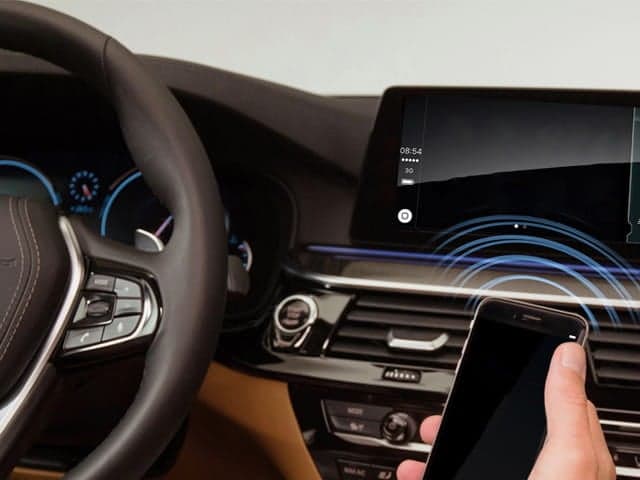
Get comprehensive Wireless Protocol Testing for Matter, Zigbee & Bluetooth from Element, one of the few globally authorized labs for Matter and Zigbee certification. Reduce time-to-market with end-to-end support from design to certification.

FCC Certification and Testing for the U.S. Market
Get FCC certification for wireless devices from Element, an authorized TCB and CAB (FCC testing center). One accredited lab does it all – test, document, certify.

ISED Certification for Canada
Get ISED certification faster with Element's end-to-end testing and certification services, documentation support, and FCB authorization for seamless Canadian market access.
RED Directive Testing for CE Marking
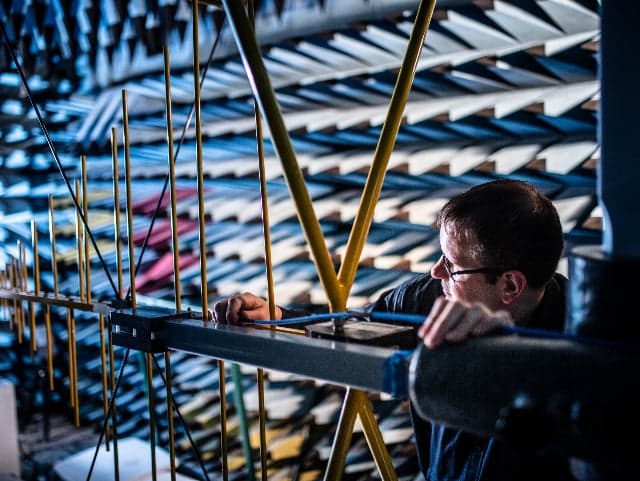
Element's Radio Equipment Directive (RED) services provide testing, certification, and expert guidance to help manufacturers meet EU compliance requirements and secure CE marking for wireless products.

Global Market Access (GMA) Services
Accelerate international product certification with Element's Global Market Access Services. Navigate complex regulations, reduce testing time & get to market faster.
Qi Certification Services
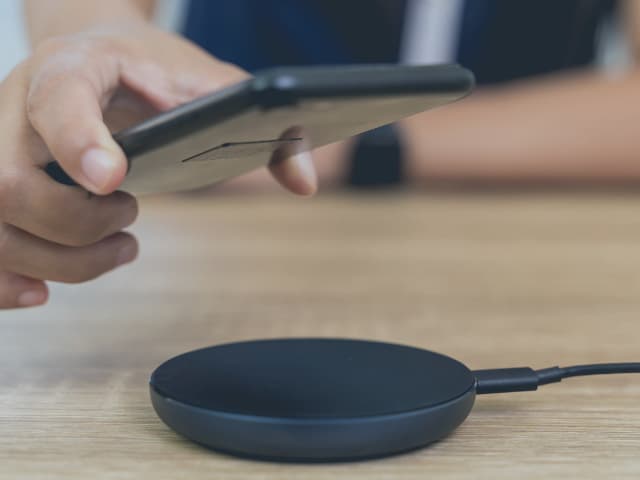
Element is the only accredited WPC-compliant Qi test lab in North America. From pre-testing to WPC submission, Element manages your complete Qi compliance program.