Hydrogen Infrastructure Testing
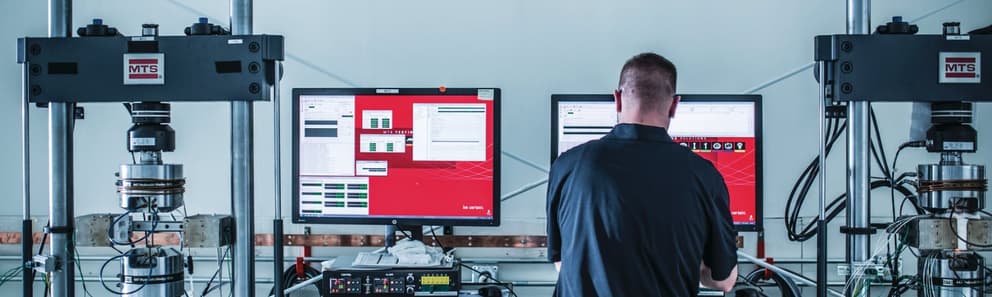
Element helps you validate hydrogen infrastructure safely and efficiently through specialist hydrogen infrastructure testing for pipelines, storage systems, transport networks, and distribution infrastructure. Element’s expertise in fracture mechanics, permeation, pressure testing, and hydrogen compatibility assessment supports reliable infrastructure qualification and long-term operational performance.
What is Hydrogen Infrastructure Testing at Element?
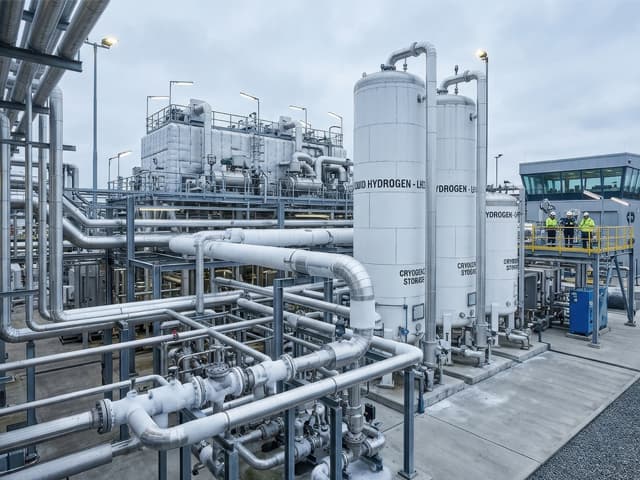
Hydrogen infrastructure testing evaluates the safety, performance, and material compatibility of systems used to transport, store, and distribute hydrogen. Element provides fracture mechanics, permeation, pressure, and material qualification testing to support hydrogen infrastructure projects operating under demanding transport and distribution conditions across the wider hydrogen testing landscape.
What Can Element Offer You For Hydrogen Infrastructure Testing?

Components and materials we test
Components and materials we test
Element supports qualification of critical hydrogen infrastructure materials and components used across hydrogen transport, storage, and distribution systems. Testing programmes help verify infrastructure integrity, long-term material compatibility, and operational safety under hydrogen service conditions.
Pipeline & Transport Systems
- Steel piping systems
- Gaseous hydrogen pipelines
- Natural gas pipelines for hydrogen conversion
- Distribution systems
- Thermoplastic transmission lines
Storage Infrastructure
- Hydrogen storage vessels
- High-pressure hydrogen storage systems
- Storage facility infrastructure
Non-Metallic Components
- Elastomers
- Thermoplastics
- Polymeric materials
- Compressor seals
Key tests offered
Key tests offered
Element provides comprehensive hydrogen infrastructure testing programmes designed to evaluate infrastructure integrity, durability, and operational performance across demanding hydrogen transport and storage environments.
- Mechanical testing in hydrogen environments
- Fracture mechanics testing
- Permeation testing on polymers
- Pressure testing
- Leak detection
- Non-destructive examinations
- Material qualification testing
Methods and solutions offered
Methods and solutions offered
Element applies fracture mechanics-based qualification approaches and materials characterization methods to support hydrogen infrastructure development, infrastructure conversion projects, and related hydrogen fuel testing validation activities.
- Fracture mechanics-based design approaches
- Material characterization
- Pipeline conversion assessment
- Hydrogen-natural gas blending evaluation
- Qualification processes for hydrogen transport systems
Infrastructure conversion support
Infrastructure conversion support
Element supports both new hydrogen infrastructure projects and adaptation of existing natural gas systems for hydrogen transport applications. Element’s testing programmes help customers evaluate hydrogen permeation behaviour, embrittlement resistance, and long-term infrastructure durability under realistic operational conditions.
Which Element Labs offer this service
Which Element Labs offer this service
Element’s hydrogen infrastructure testing services are provided from specialist facilities in the UK, Texas, and California, supporting hydrogen transport, storage, and distribution infrastructure projects across global hydrogen supply chains.
Standards we test to and Materials we test
Hydrogen Infrastructure Standards
- ASME B31.12
- ASME BPVC Section VIII Division 3 Article KD-1040
- ASTM E1681
Infrastructure Qualification Standards
- ASTM G142*
- ASTM E647*
- ISO 11114-1*
- Pipeline qualification procedures
- Customer-specific qualification standards
- Energy industry specifications
Pipeline & Transport Systems
- Steel piping systems
- Gaseous hydrogen pipelines
- Natural gas pipelines for hydrogen conversion
- Distribution systems
- Thermoplastic transmission lines
Storage Infrastructure
- Hydrogen storage vessels
- High-pressure hydrogen storage systems
- Storage facility infrastructure
Metallic Materials
- Carbon steels
- Low-alloy steels
- Weld materials
- Structural metals exposed to hydrogen environments
Non-Metallic Materials
- Elastomers
- Thermoplastics
- Polymeric materials
- Compressor seals
CCUS Related Materials
- CO2 transport materials
- CCUS project materials
- Materials exposed to trace gases
Your Challenges, Our Solutions
Preventing infrastructure failures
Pipeline conversion complexity
Evolving regulatory requirements
Long-term infrastructure durability
Why Choose Element

Pipeline qualification expertise
Fracture mechanics leadership
Infrastructure conversion support
Permeation testing capability
100 barPolymer permeation testing capability
-268°CCryogenic hydrogen testing capability for infrastructure qualification
30+ yearsMaterials qualification and testing expertise
8,500+Engineers and technical experts globally

Frequently asked questions
Why is hydrogen infrastructure testing important?
Hydrogen can impact materials differently than traditional gases, increasing the risk of embrittlement, permeation, and long-term degradation. Hydrogen infrastructure testing helps verify transport and storage system safety, integrity, and operational reliability.
Can existing natural gas pipelines carry hydrogen?
Some existing pipelines may be suitable for hydrogen transport applications, but qualification testing is required to evaluate material compatibility, embrittlement resistance, and long-term infrastructure performance under hydrogen service conditions.
What materials are commonly tested for hydrogen infrastructure
Element commonly tests carbon steels, low-alloy steels, elastomers, thermoplastics, weld materials, and polymeric components used in hydrogen transport, storage, and distribution infrastructure systems.
How does hydrogen impact pipeline materials?
Hydrogen exposure can increase the risk of embrittlement, permeation, and material degradation in pipeline systems. Hydrogen infrastructure testing helps evaluate long-term compatibility and operational integrity under real-world transport and distribution conditions.
Global expertise
Working with Element, you have access to our global network of materials testing and product qualification test experts. Meet our Engaged Experts.
Related Services
Hydrogen Testing
Hydrogen testing services supporting safe, reliable fuel systems, infrastructure, and materials qualification across hydrogen applications.

Rapid Gas Decompression (RGD) Testing
Prevent equipment failures with Element's pioneering RGD Testing, including first-ever H2S testing capability. Validate materials under realistic sour gas conditions for maximum reliability.

ASTM F519 Hydrogen Embrittlement (HE) Testing Services
Element's ASTM F519 hydrogen embrittlement testing evaluates material performance under tensile stress, identifying vulnerabilities in high-strength steels and alloys to prevent failures in aerospace, automotive, and energy applications.

Hydrogen Induced Cracking (HIC) Testing
Prevent critical equipment failure with our fast-turnaround Hydrogen Induced Cracking Testing. Expert NACE-compliant analysis ensures your oil & gas components are safe for sour service environments.
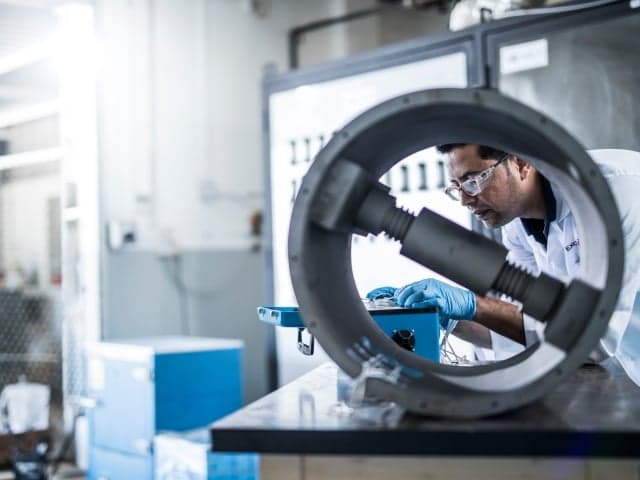
Sour Service Corrosion Testing for NACE MR0175/ISO 15156 Compliance
Element provides industry-leading sour service corrosion testing, helping oil and gas companies mitigate corrosion risks, comply with NACE MR0175/ISO 15156, and enhance material reliability in challenging environments.
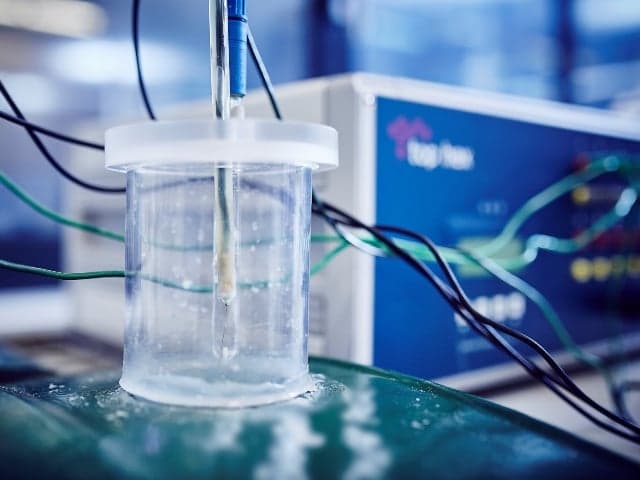
Cathodic Disbondment Testing
Element's cathodic disbondment testing detects coating weaknesses before failure, simulating real-world conditions up to 204°C. Gain actionable insights to enhance protection for pipelines, offshore structures, and extreme environments.