
Missile and Ordnance Testing
Element helps you qualify mission-critical missile and ordnance hardware with connected product qualification, environmental, dynamic, EMI/EMC, materials, NDT, and failure-analysis expertise. From development through qualification, production, and sustainment, Element helps generate technical evidence to reduce uncertainty and protect critical program milestones.
What is Missile and Ordnance Testing at Element?
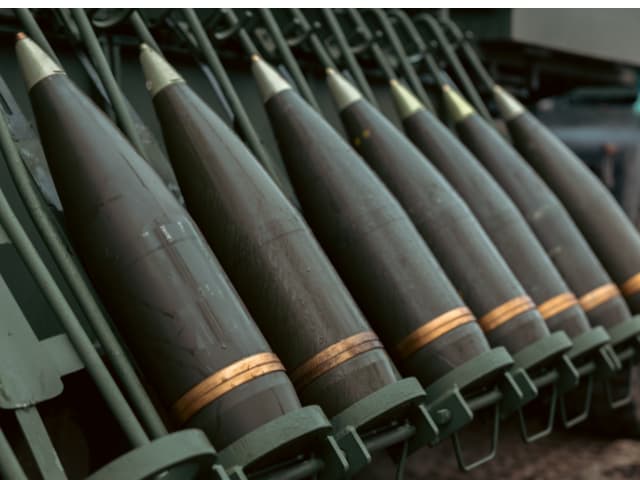
Missile and ordnance testing evaluates whether defense hardware and its materials and components can perform under the conditions expected throughout storage, transportation, captive carriage, launch, flight, and operation. Element combines product qualification and materials testing to evaluate both hardware performance and the material, manufacturing, and component behavior behind that performance.
What Can Element Offer You For Missile and Ordnance Testing?
Components and materials we test
Components and materials we test
Element supports testing across a broad range of missile, ordnance, defense, and aerospace components, from complete systems and subsystems to individual materials and manufactured parts.
- Tactical and strategic missile systems
- Missile defense systems and interceptors
- Hypersonic and long-range strike systems
- Precision-guided munitions
- Propulsion and rocket motor components
- Guidance, navigation, and control electronics
- Fuzing and actuation systems
- Power systems and defense electronics
- Launch systems and airborne carriage equipment
- Structural components
- Warhead and energetic-system components
- Castings, forgings, fasteners, and pressure-containing components
- Alloys, composites, coatings, and advanced materials
Key tests offered
Key tests offered
Element supports missile and ordnance qualification programs with environmental, dynamic, electromagnetic, mechanical, and materials testing. Testing can be coordinated across component, subsystem, and complex hardware levels to evaluate performance under demanding service conditions.
- Environmental and dynamic testing
- MIL-STD-810 testing
- RTCA DO-160 testing
- EMI/EMC and electromagnetic environmental effects
- Mechanical, fatigue, and fracture testing
- Nondestructive testing and inspection
Methods and solutions offered
Methods and solutions offered
Element combines complementary testing disciplines to help you understand both how hardware performs and why materials or components behave as they do. This connected approach can help reduce testing handoffs, configuration challenges, and gaps in engineering evidence.
- Materials characterization and chemical analysis
- Metallography and microstructural examination
- Fatigue and fracture mechanics
- Nondestructive testing, including ultrasonic, radiographic, penetrant, magnetic particle, and eddy current methods
- Failure analysis and root-cause investigation
- Supplier equivalency and material evaluation
Lifecycle and connected testing
Lifecycle and connected testing
Element can support your program from material development and pre-compliance through formal qualification, production, engineering changes, failure investigation, and sustainment. Connecting testing activities helps preserve technical knowledge as program requirements and configurations evolve.
- Development and pre-compliance testing
- Formal qualification
- Supplier and material qualification
- Production lot testing
- Engineering change evaluation
- Failure investigation and retesting
- Production and sustainment support
Standards we test to and Products we test
Environmental and electromagnetic standards
- MIL-STD-810
- MIL-STD-461
- MIL-STD-464
- MIL-STD-704
- RTCA DO-160
Materials and mechanical testing
- ASTM mechanical and materials test methods
- Customer-specific material and component specifications
Ordnance and munitions requirements
- MIL-STD-2105 where applicable
- Applicable NATO STANAG requirements at designated facilities
- Customer and program-specific procedures
Quality and program controls
- ISO/IEC 17025-accredited testing
- Nadcap-accredited testing where required
- ITAR-controlled program support at applicable locations
- Material traceability
- Configuration control
- Controlled test plans and procedures
- Supplier qualification
- Production lot testing
- Technical data packages
Tactical and strategic missile systems
- Missile defense systems and interceptors
- Hypersonic and long-range strike systems
- Precision-guided munitions
- Propulsion and rocket motor components
- Guidance, navigation and control electronics
- Fuzing and actuation systems
- Power systems and defense electronics
- Launch systems
- Airborne carriage equipment
- Structural components
- Warhead and energetic-system components
- Castings, forgings, fasteners and pressure-containing components
- Alloys, composites, coatings and advanced materials
Your Challenges, Our Solutions
Qualification schedule pressure
Material and supplier changes
Disconnected testing disciplines
Qualification failures
Why Choose Element
Connected testing expertise
Material-to-system expertise
Specialized capability and capacity
Independent technical evidence
100+Years of testing expertise across highly regulated industries.
270+ Accredited laboratories supporting global testing programs.
8,500+ Technical experts supporting customers across global markets.
350+Military products tested annually through Element’s defense capabilities.
Frequently asked questions
What testing is required for missile and ordnance systems?
Testing depends on the system, intended environment, customer requirements, and program phase. Requirements can include environmental and dynamic testing, EMI/EMC, materials characterization, mechanical testing, NDT, munitions evaluation, and failure analysis. The appropriate program should reflect the hardware's expected life-cycle environment and contractual requirements.
Can Element combine materials testing and product qualification testing?
Yes. Element can connect materials testing with environmental, dynamics, and EMI/EMC qualification activities so engineering teams can evaluate both qualification performance and the materials or manufacturing processes influencing it.
Which MIL-STD requirements can Element support?
Applicable capabilities include MIL-STD-810, MIL-STD-461, MIL-STD-464, and MIL-STD-704. Designated Element U.S. Space & Defense facilities also provide applicable MIL-STD-2105 munitions testing. Exact scope and accreditation should be confirmed for the laboratory, method, and revision required.
Can Element help qualify an alternate supplier or material?
Yes. A material or supplier equivalency program can combine chemical analysis, metallography, mechanical testing, fatigue or fracture testing, and environmental exposure as appropriate to support engineering and quality evaluations.
What happens if hardware fails during qualification?
Element can extend the investigation using microscopy, fractography, chemical analysis, mechanical testing, NDT, dimensional inspection, and manufacturing-process review to identify the failure mechanism and support corrective action.
Can Element support testing throughout production and sustainment?
Yes. Testing can continue beyond initial qualification to support supplier changes, engineering changes, production surveillance, troubleshooting, failure investigation, and sustainment.
Related services

Defense Product and System Testing Services
Element has over 50 years of experience working with a wide range of Defense Product and System manufacturers from the initial concept of their products and on to the complex testing that is required of modern defense equipment.
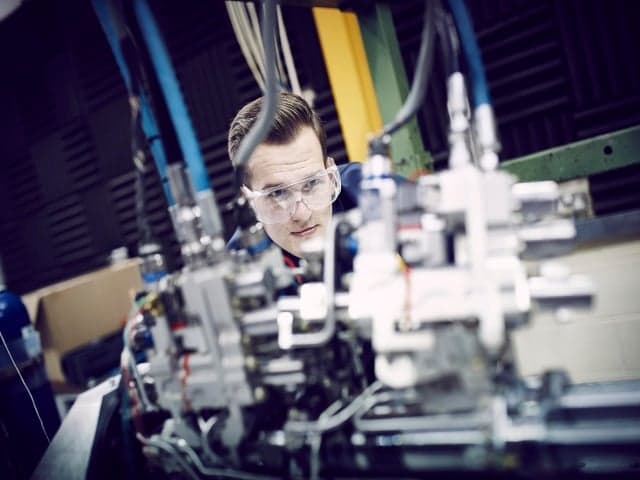
MIL-STD-810 Testing Services
Element's MIL-STD-810 testing services validate military and defense products under extreme conditions, delivering reliable, accredited results for compliance and performance qualification.
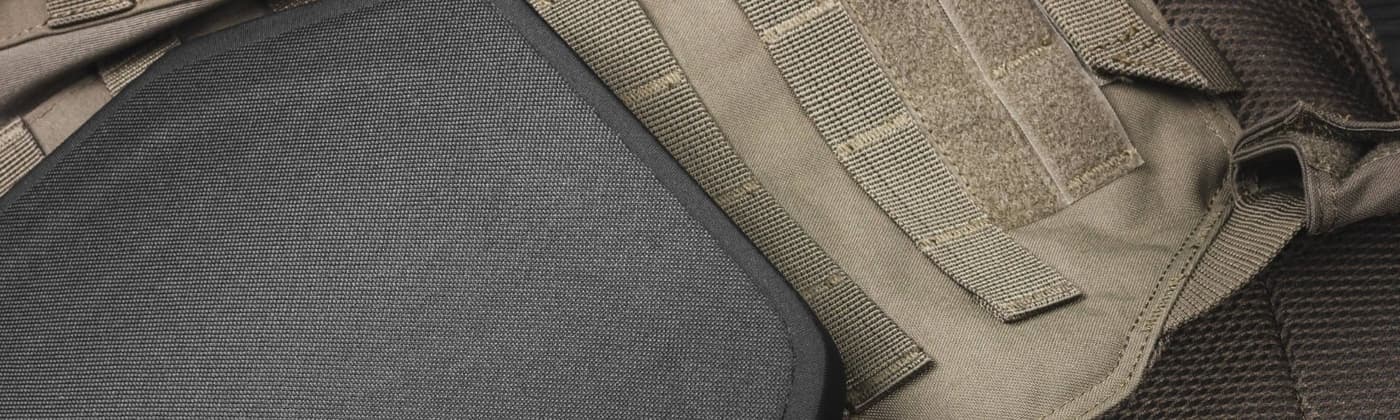
Ballistics Testing Services
Ballistics testing services for armor, firearms, and helmets with fast, accurate, standards-based results.
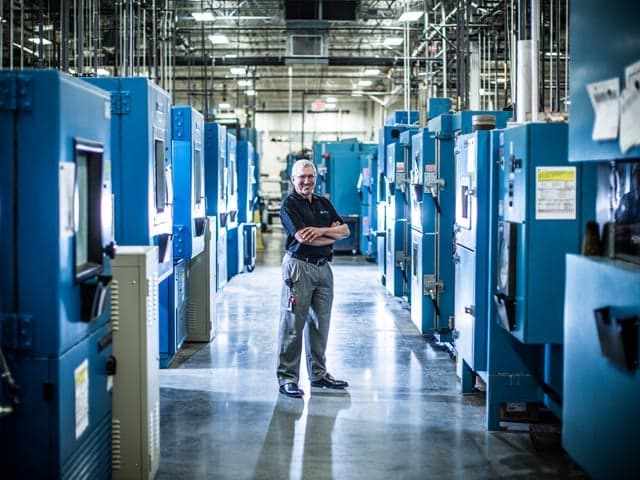
Aerospace Product Qualification Testing (PQT) Services
Explore Element's aerospace product qualification testing (PQT) services. Ensure safety, compliance, and efficiency with our global expertise and accredited capabilities.