

Understanding PFAS in Stack Emissions: OTM 45, OTM 50 and the Rise of Real-Time Monitoring

Navigating the complexities of PFAS emissions testing is increasingly critical as regulatory expectations evolve without a unified European or UK method. This article explains current approaches, including OTM 45 & OTM 50 sampling and real-time monitoring innovations, drawing on Element's MCERTS-accredited expertise to help operators understand their options and optimise their emissions management approach.
What are PFAS in stack emissions
Per-and polyfluoroalkyl substances (PFAS) are a group of thousands of synthetic chemicals widely used across industrial processes. In stack emissions, PFAS are released as gaseous or particulate matter during industrial processes such as high-temperature manufacturing or incineration, where combustion techniques are ineffective at fully destroying these compounds.
Once airborne, the geographical impact of PFAS can be far reaching, depositing onto soil and surface water, and subsequently leaching into groundwater.
Risk of PFAS emissions for site operators
In the backdrop of tightening regulation, industrial facilities face growing pressure to demonstrate their ability to control and reduce PFAS in their emissions.
Site operators need to demonstrate that their industrial processes execute the destruction of PFAS substances before being emitted as stack gases.
Failure to adequately monitor and control PFAS emissions can result in regulatory non-compliance, reputational damage, and significant liability exposure
PFAS emissions sampling methods
In the absence of a European method for PFAS, the EA currently stipulate using US EPA OTM 45 and/or US EPA OTM 50 to sample PFAS and volatile fluorinated compounds from stacks.
US EPA OTM 45
OTM 45 is an extractive test for semi-volatile compounds using a heated sample probe and filter prior to entrapment in a sampling train using dual resin traps and impingers, over a 3-hour period. The sampling train undergoes rigorous cleaning prior to use, and several control blanks are taken during the campaign.
US EPA OTM 50
OTM 50 for volatile fluorinated compounds involves sampling stack gas into evacuated passivated canisters. Depending on the nature of the stack gas, the sample train may need to incorporate a water and acid gas management system to condition the gas for collection. The sample flow is controlled via a calibrated critical orifice, and a pressure gauge is used to monitor the pressure in the canister.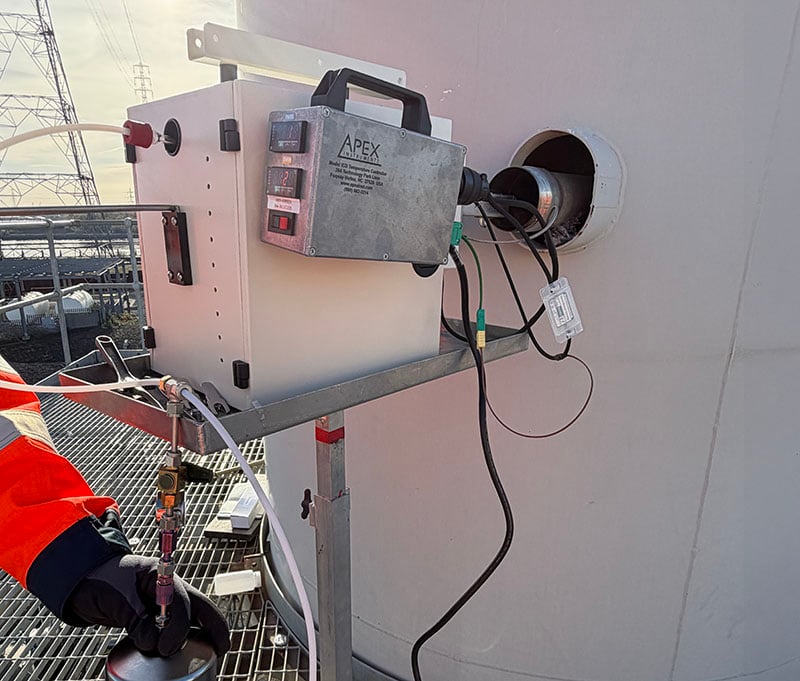
Limitations of laboratory testing
Collected gas samples are analysed at an accredited laboratory where testing adheres to methods that are verified to meet ISO/IEC 17025 standards. However there are several limitations to the laboratory testing of PFAS in emissions:
- OTM 45 and OTM 50 sampling procedures only provide single data points from long sampling periods.
- Test results can take several days to receive from the laboratory.
- The presence of other organic compounds make it challenging to isolate and measure specific PFAS compounds.
- Site operators cannot demonstrate the destruction of PFAS during process changes.
For further information on laboratory testing of PFAS substances, read our latest FAQ.
The emergence of real-time, on-site PFAS emissions monitoring
Conventional laboratory testing of PFAS in emissions (as explained above) does not address the emerging challenge for site operators - Obtaining real-time data to pinpoint specific PFAS compounds and ensuring their destruction through process optimization.
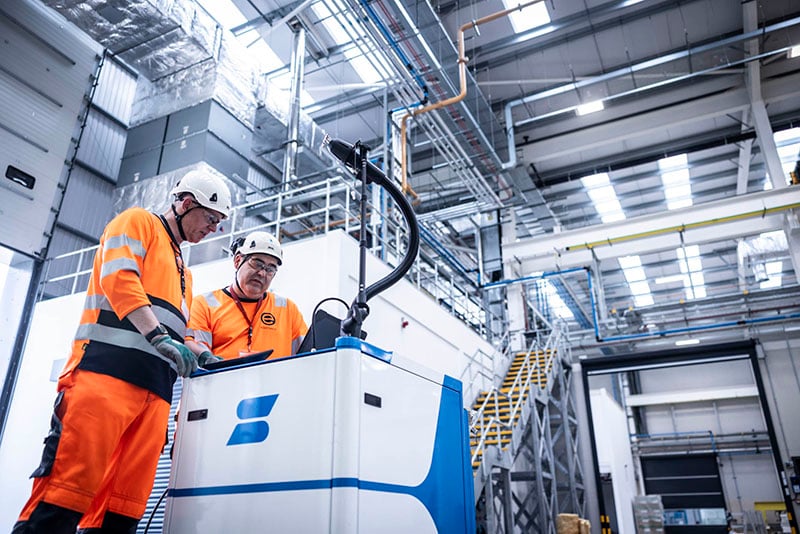
New instrumentation such as SIFT-MS can detect PFAS compounds in real-time, offering immediate insights into PFAS concentrations of emissions. Test methods, utilizing SIFT-MS, have been developed to detect targeted gaseous PFAS compounds at sub-ppm levels, even in the presence of other organic compounds.
Continuous sampling like this provides data on emissions during process changes, allowing operators to respond instantly to fluctuation in PFAS concentrations. This approach to PFAS testing allows for immediate process optimization and is a significant advancement in on-site industrial emissions monitoring.
SIFT-MS instrumentation can be utilized independently or as part of a combined testing strategy alongside accredited laboratory analysis. On-site monitoring provides immediate visibility of targeted PFAS compounds, while laboratory testing using OTM 45 and OTM 50 sampling offers broader and regulatory-approved data needed for compliance reporting.
How to approach PFAS emissions testing
Site operators should take a structured, risk-based approach to their testing programmes. The first step is confirming your regulatory obligations and ensuring your testing partner holds the appropriate accreditations for the required sampling methods.
Consider whether periodic laboratory testing alone meets your operational needs. Facilities handling significant PFAS volumes, or those needing to demonstrate destruction efficiency, may benefit from combining sampling & laboratory testing with real-time monitoring.
Early engagement with your testing provider is key. Identifying the specific compounds of concern will influence method selection, helping you build a robust programme that generates defensible data and reduces the risk of non-compliance.
Conclusion
PFAS emissions testing is rapidly evolving in response to tightening regulatory demands. In the absence of a unified European method, OTM 45 and OTM 50 remain the Environmental Agency’s stipulated standards for stack sampling, both of which Element delivers under full MCERTS accreditation.
The emergence of real-time monitoring through SIFT-MS technology represents a significant step forward, enabling immediate detection of targeted PFAS compounds and empowering operators to respond dynamically to process changes.
Understanding the available sampling methods, alongside their limitations, is an important step in building an effective testing programme. As real-time monitoring technology matures, site operators are increasingly well-placed to move beyond periodic compliance sampling and take greater control of their PFAS emissions management.
Element offers end-to-end PFAS testing support. From accredited on-site sampling managed from our Stockport office and laboratory analysis at our Deeside facility, to cutting-edge real-time monitoring solutions. Speak with Mark Elliott to learn more.
By Engaged Expert


Related Services
PFAS Testing Services
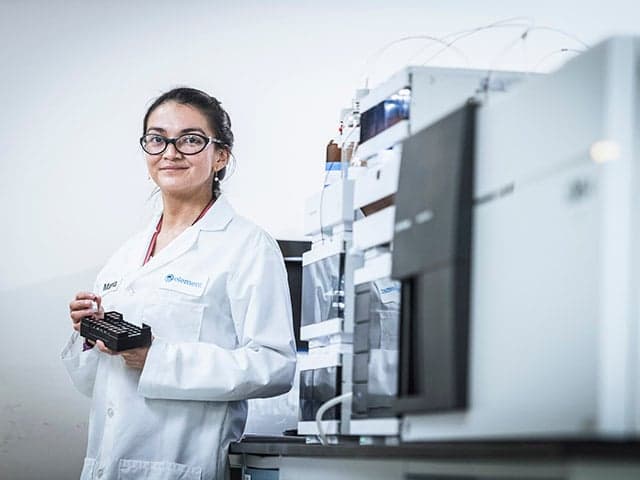
Element's ISO/IEC 17025-accredited PFAS testing delivers precise detection down to parts per trillion. With advanced instrumentation, dedicated laboratories, and expertise in regulatory compliance, we provide fast, reliable results across water, soil, and products. Our comprehensive solutions help you meet complex regulations while safeguarding human health and the environment.
Stack Emissions Testing and Monitoring Services
Element's Stack Emissions Testing and Monitoring Services deliver precise, accredited testing for compliance across multiple industries. With expert teams, advanced technology, and comprehensive solutions, we help ensure environmental standards are met efficiently, minimizing operational disruptions and simplifying data management.